
Car Facts
These Are The Most Reliable Car Brands According To JD Power

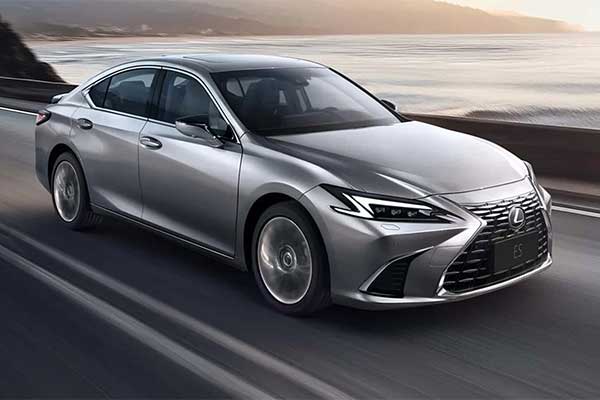
The latest vehicle reliability study by US firm JD Power shows that overall reliability in the automotive industry has fallen, recording the highest number of reported problems per vehicle since 2022. Premium vehicles are still less reliable than mass-market vehicles, and the gap between the two categories widened further in the 2026 survey.
Declining reliability across the industry
According to the latest results, the number of owners who have experienced problems with their vehicles after three years of use is on the rise. The industry average increased by two problems per 100 vehicles, reaching 204 PP100 (problems per 100 vehicles). In this metric, a lower score indicates higher reliability.
Lexus on top; Buick best in the mass segment
Lexus maintained its lead in the study with a score of just 151 PP100. On the other hand, the premium segment as a whole recorded an average of 217 PP100, which is an increase of eight issues compared to last year. Premium vehicles performed worse than mainstream brands in seven of the nine categories covered by the study, including those related to equipment, controls, screens, and driving experience.
Infotainment systems are the biggest source of problems
Despite the good results of certain brands, owners complained most about smartphone integration issues. According to JD Power, phone connectivity, Bluetooth, wireless charging, and manufacturer apps accounted for nearly half of all reported issues in the infotainment category. Owners have also complained about the exterior appearance of their vehicles, citing problems such as unusual noises.
“With owners keeping their vehicles longer, the long-term car ownership experience is more important than ever,” said Jason Norton, director of automotive benchmarking at JD Power.
10 most reliable car brands
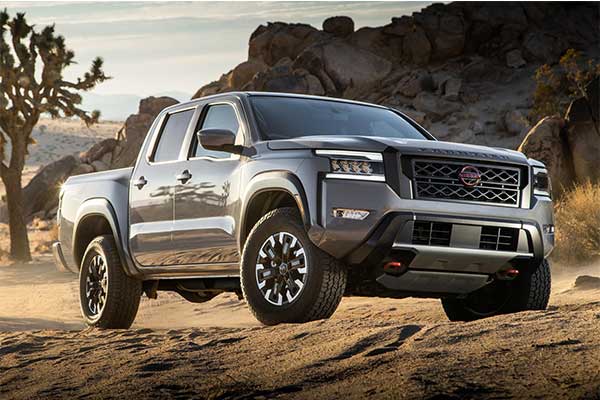
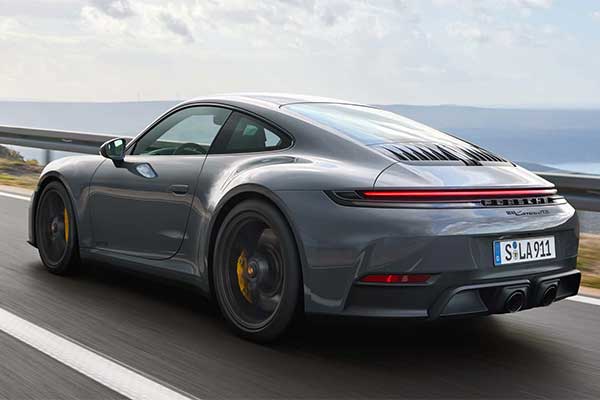
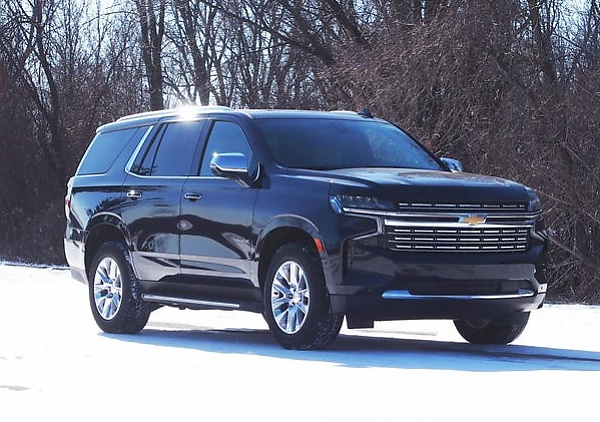
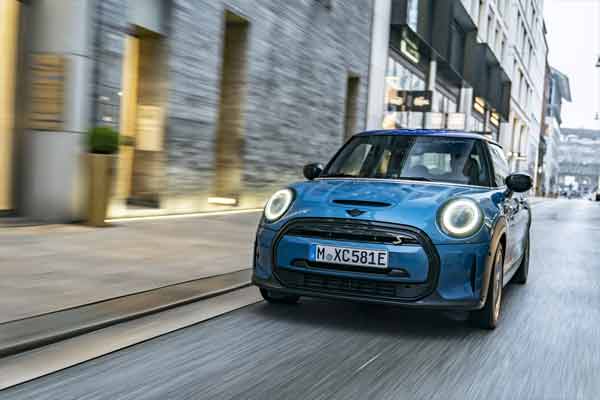
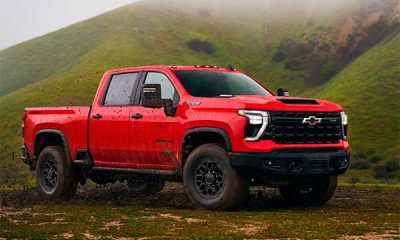
- Lexus – 151, 2. Buick – 160, 3. Mini – 168, 4. Cadillac – 175, 5. Chevrolet – 178, 6. Subaru – 181, 7. Porsche – 182, 8. Toyota – 185, 9. Kia – 193, 10. Nissan – 194. The industry average is 204.
Technology that frustrates rather than helps
The latest study shows that the race to install as much technology as possible does not result in a better experience for owners. Connectivity issues, poorly executed wireless charging, and inadequate app integration are becoming more pronounced as technology advances, which shouldn’t be the case.
It really seems like the time has come for automakers to slow down and perfect the basics before they continue to clutter modern vehicles with obviously complicated, incomplete software.







-

 Celebrities Auto5 days ago
Throwback: When KC Luxury Boasted Of Being The Only Person In The World To Own Two Rare Mercedes-Maybachs
-

 Celebrities Auto7 days ago
Inside KC Luxury’s Car Collection: From A ₦2.5B Brabus 800 Adventure XLP To Alicia Keys’ Former Maybach
-

 News2 days ago
Andrew Tate’s Lawyers Claim His Famous Bugatti And Aston Martin Are Rented
-
 News1 week ago
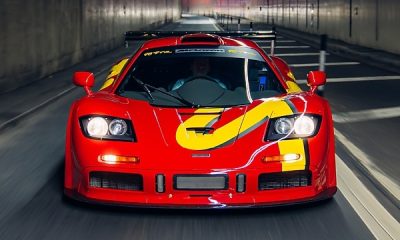
Ultra-Rare, Centre-Driving McLaren F1 GTR Fetches Record $34.6 Million At Auction
-
 News1 week ago
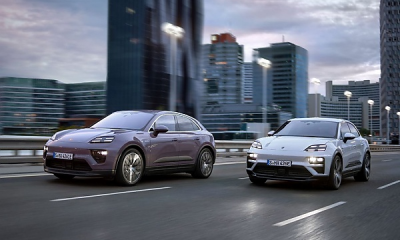
Porsche And Chinese Company Xpeng Collaborate To Lower Average Emissions In Europe
-
 News6 days ago
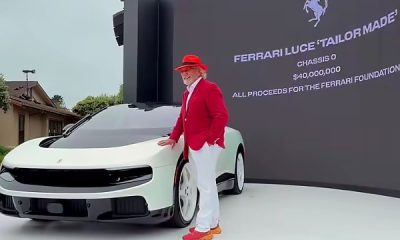
Who Is Herbert Wertheim? The 87-Year-Old Billionaire Who Bought The $40M Ferrari Luce “Chassis 0”
-

 News1 week ago
“Wike Carry ‘Rivers’ Come Abuja”: Citizens React As Flash Floods Submerge Luxury Vehicles
-
 News5 days ago
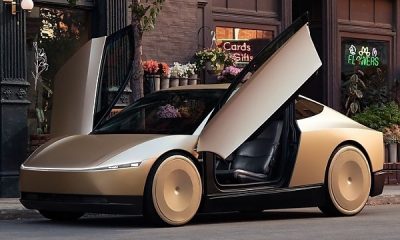
The Tesla Cybercab Has Begun Transporting Passengers In Austin Texas