
News
Chinese Authorities Warn Tell Their Automakers To Behave Decently Overseas

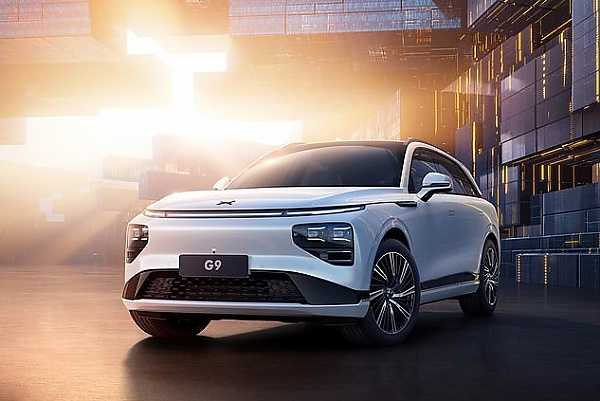
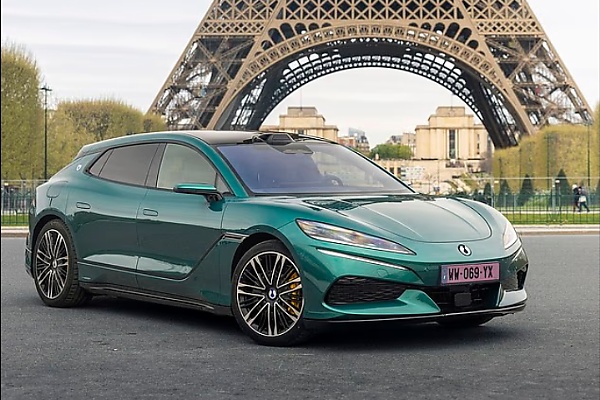
Chinese manufacturers are conquering global markets with technology, speed and aggressive pricing. Beijing now has a kind of instruction for its manufacturers: they should not participate in price wars abroad and should otherwise behave as appropriately as possible.
Chinese authorities have issued new guidelines for automakers that manufacture and sell overseas. The guidelines cover corruption and antitrust, labor conditions, advertising, dealers, and data protection. But the most striking point concerns the weapon that Chinese automakers currently favor in their fight: price.
Companies should align their prices with costs, supply and demand, and prevailing market conditions. Frequent or drastic price changes should be avoided if they could harm customers or damage the brand image. Prices that are used solely to gain an unfair competitive advantage are also strongly discouraged.
What Beijing wants to prevent abroad, it is already seeing at home. China’s auto market has suffered for years from massive overcapacity and fierce competition. Manufacturers are outbidding each other with price cuts, new models, and ever-shorter product cycles. For buyers, this sounds good at first. But those who bought their cars just before the price cuts are quite angry when they see the price drop. China’s auto industry is expanding at an astonishing pace. According to official figures, the country exported an estimated 8.32 million vehicles to more than 200 countries and regions in 2025. Chinese companies have already invested in their own production facilities in more than 80 markets.
Chinese brands want to stay in Europe in the long term and increasingly compete in the premium segment. This is where the constant price war could become a problem. Anyone who sells an electric SUV as a premium product for 60,000 or 70,000 euros today and then offers it at a deep discount a few weeks later is not only damaging the remaining values but also their own brand image. In the long term, Beijing wants to transform exporters into global car manufacturers.
Another factor is likely to play a role: Chinese carmakers are already under strict international scrutiny. The EU is imposing additional tariffs on electric cars made in China because it sees distortions of competition caused by state subsidies. A publicly waged price war would increase political pressure, writes the Neue Kronen Zeitung.
-
See Also: JD Power Ranks Chinese Brands As Well








-
 Celebrities Auto1 week ago
Is OGB Recent’s “Mansory Lamborghini Urus” Genuine? Auto Spotters Raise Questions
-

 News1 week ago
F1: Verstappen Takes First Win In Singapore, Antonelli One Step Closer To Title
-
 News1 week ago
Mercedes-Benz Recalls Over 30,000 S-Class Sedans
-

 Car Theft5 days ago
Man Flees With Stolen Tundra During Test-Drive, Crashes Into Lagos Canal After Damaging Dozens Of Vehicles
-
 News5 days ago
The Toyota Mirai Is Turning Out To Be The Worst Resale Value Car The Company Has Ever Made
-

 Celebrities Auto5 days ago
Lionel Messi Just Ordered Sunreef’s ULTIMA 88 Luxury Yacht, Worth Up To $10.7 Million
-
 News6 days ago
The New Electric Jaguar Type 01 Has Reportedly Received 50,000 Orders
-
 Concept Cars1 week ago
Peugeot RCZ Vision Debuts As 500-HP Electric Sports Coupé With 600 km Range, 10-Minute Charging