
News
Biden Proposes US$174 Billion For Electric Vehicles

The president Joe Biden administration is hoping to make electric vehicles more affordable to turn a niche product into one with mass appeal.
In a wide-sweeping $2 trillion plan to tackle infrastructure improvements across the country, the White House calls for a massive investment in electric vehicle development. Electric Vehicles
On March 31, President Joe Biden unveiled what he called the American Jobs Plan in Pittsburgh.
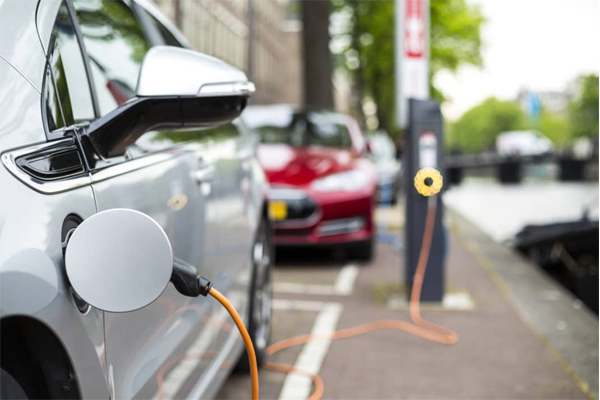
He proposed $174 billion “to win the EV market”. This includes point-of-sale rebates and tax incentives. It also include a national network of half a million EV chargers by 2030.
The plan also includes replacing 50,000 diesel transit buses. It also establishes an EPA Clean Buses for Kids program. This is aimed at electrifying at least 20 percent of the yellow school bus fleet.
The plan drew plaudits from environmentalists. Electric Vehicles
According to Katherine Garcia, a Sierra Club Clean Transportation for All deputy director, “Many of the policies that the Biden administration laid out in its infrastructure proposal today move forward our clean transportation priorities. It will position the U.S. to be a leader in the EV market. This is after years of roadblocks and attacks on clean air and clean vehicles.”
The Zero Emission Transportation Association (ZETA) agreed. They said that going big, along the lines of the $1.9 trillion pandemic bill, is exactly what’s needed. Dan Zotos, ZETA communications director, called for an “all of the above” scenario. This will involve the administration fights for zero-emission vehicles with all the tools at its disposal. Electric Vehicles
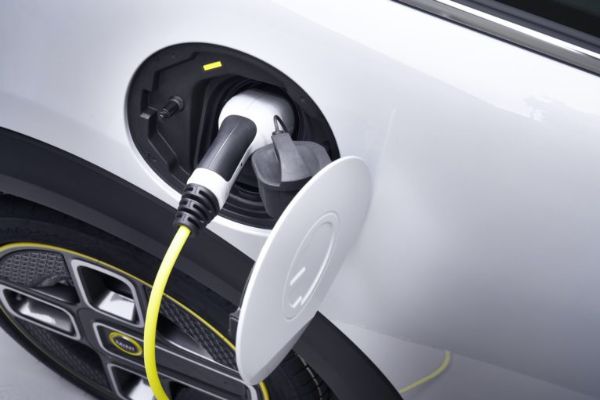
The fine print on those rebates and tax credits are forthcoming. However, it could include some kind of point-of-sale incentive for buyers of American-made electrics trading in gas cars (as has been proposed by Sen. Chuck Schumer). Today, automakers can offer federal income tax credits to their first 200,000 customers. This means that Tesla—the leading producer of battery cars—is no longer able to offer them.
Shruti Vaidyanathan, transportation program director at the Washington-based ACEEE advocacy group, believes that EVs will soon reach cost parity with their fossil-fuel brethren, and therefore raising the credit cap to 600,000, as some have suggested, isn’t necessary. “We split the difference, based on our research, and we think a cap of 400,000 vehicles per manufacturer is probably appropriate,” she said.

-

 Car Theft1 week ago
Man Flees With Stolen Tundra During Test-Drive, Crashes Into Lagos Canal After Damaging Dozens Of Vehicles
-

 Celebrities Auto1 week ago
Lionel Messi Just Ordered Sunreef’s ULTIMA 88 Luxury Yacht, Worth Up To $10.7 Million
-
 News1 week ago
The Toyota Mirai Is Turning Out To Be The Worst Resale Value Car The Company Has Ever Made
-
 News1 week ago
The New Electric Jaguar Type 01 Has Reportedly Received 50,000 Orders
-
 News1 week ago
BMW Considers New Flagship SUV To Sit Above The X7, Specifically For US Market
-

 News5 days ago
OMODA & JAECOO Strengthen European Presence, Record 73,421 Global Sales
-
 News1 week ago
Alfa Romeo Cuorerosso Concept Debuts With 2+2 Coupé Design, 2.9L V6 Full-Hybrid Powertrain
-
 News1 week ago
BMW Is Bringing The V8 Back In Another Model