
News
On A Toyota Budget, Lexus Charges BMW Money, And It Works

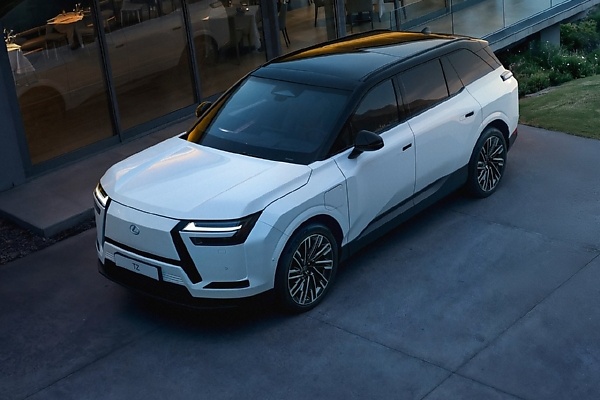
Automakers, such as Lexus, which previously promised to switch to electric vehicles exclusively by 2035, have long assured us that electric vehicles are the way of the future. Now that EV growth has slowed in a number of important regions, many of those same businesses are discreetly altering their strategies, frequently at great expense. However, Lexus believes it has discovered a more prudent and less costly course of action.
Toyota’s luxury business is creating vehicles that can be constructed as either hybrid or completely electric models using much of the same underlying architecture, rather than placing all of its bets on specialist EV platforms or doing a U-turn in favour of traditional petrol automobiles. This tactic is intended to provide Lexus with the greatest amount of flexibility while rivals struggle with costly changes in demand.
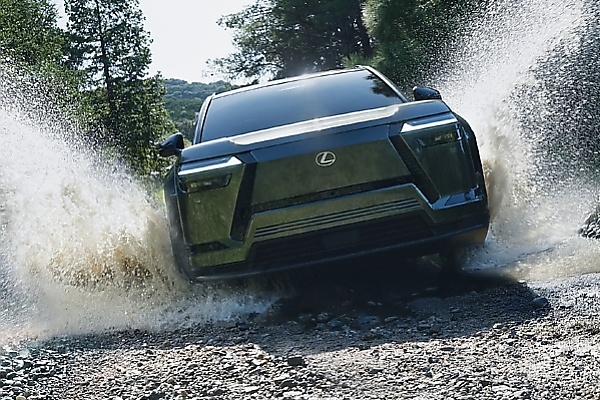
Two Powertrains on One Platform
According to executives from Lexus and Toyota who revealed the concept to Handelsblatt and other journalists at the Shimoyama development centre in Japan, future products would be constructed so the two brands may install either a battery pack or a hybrid powertrain within virtually the same vehicle frame. If consumer demand shifts towards EVs, hybrids, or whatever in between, Lexus will be able to respond more quickly. Or if the next US president reinstates tax benefits for greener cars.
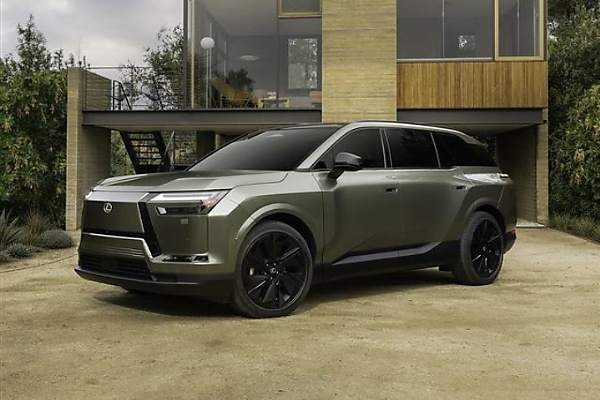
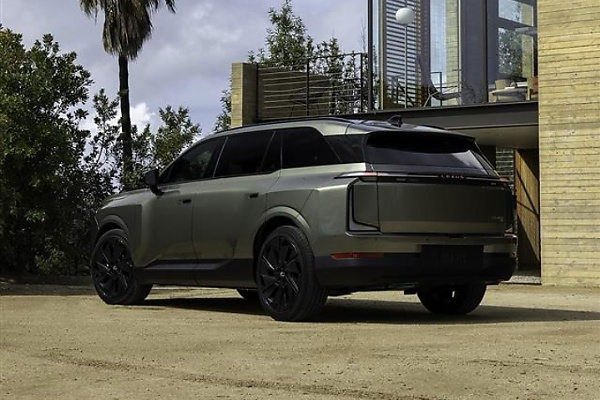
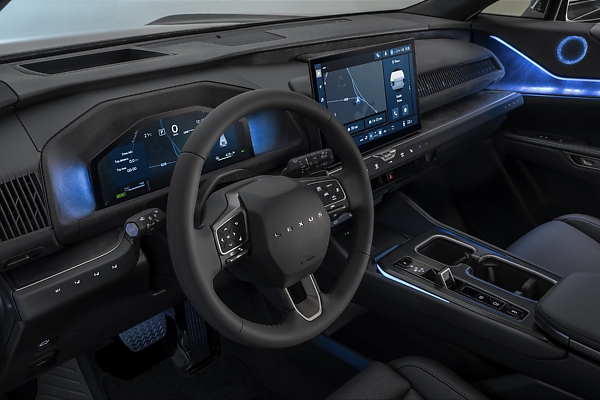
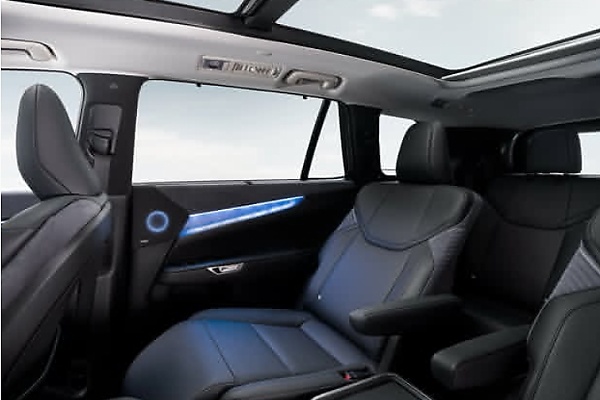
Reporters were informed by Toyota CTO Hiroki Nakajima that Lexus’s planned TZ electric SUV is anticipated to be profitable upon its North American launch. Many automakers would want to make that claim right now because US EV sales are terrible and some, like Honda/Acura and Porsche, are suffering greatly from having written off billions of dollars in EV development.
Automotive analyst Christopher Richter of CLSA in Tokyo attributes the advantage to Lexus’s cheaper cost structure. Although Toyota does not disclose Lexus’s financial information, Richter told the German publication that he believes the company’s profit margins are well into the double digits. In contrast, BMW’s return on sales was 5.3%, and Mercedes’s was 5% last year. According to Richter, the key is that Lexus can charge BMW money while relying on the world’s biggest automaker’s purchasing power and development resources.
The TZ is not the only Lexus or the first to profit from common-platform thinking. The new ES sedan is already offered in both hybrid and electric vehicle versions, both of which have the same fundamental architecture. It’s not a Lexus-specific tactic. Some EVs and hybrid vehicles, such as the X1 and iX1, 5-series and i5, and CLA, are also produced by BMW and Mercedes on joint platforms.
However, EV-specific platforms are also offered by the two German brands. For example, the new ICE 3-series sedan from BMW will have an almost identical appearance to the i3 electric 3-series but will have completely distinct architectures.
Earnings Over Volume
Compared to Lexus, which sold 882,291 automobiles globally in 2025—nearly half of them in North America—BMW and Mercedes each sell more than twice as many cars. Specifically, Mercedes sold almost 1.8 million units that year, while BMW sold almost 2.2 million units under its main brand. However, profit—rather than registrations—matters in the luxury market, and Toyota’s premium business appears certain it has the upper hand.







-
 Celebrities Auto4 days ago
Swedish Soccer Icon Zlatan Ibrahimovic Buys $4 Million Ferrari F80 For 45th Birthday (Photos)
-
 News1 week ago
Tesla Delays The Second-Generation Roadster By 2 Weeks
-
 News5 days ago
Who Owns Who? World’s Largest Automakers And The Car Brands They Currently Control
-

 News1 week ago
Uber CEO Tests Driverless Verne Robotaxi Ahead Of Steering-Wheel-Free Global Rollout
-
 Celebrities Auto1 week ago
Kizz Daniel Flaunts Car Collection With ₦1.6bn Ferrari Purosangue, Rolls-Royce Cullinan & Mercedes G-Class
-

 News1 week ago
Korope Bus Driver Pleads For Mercy After Crashing Into ₦450M Lamborghini Urus In Lagos
-

 News4 days ago
Porsche Will Fit A Petrol Engine In The Macan Again In 2028
-
 News5 days ago
‘Temu Range Rover’ Jaecoo 7 Tops UK Car Sales In September As Chinese Brands Continue Their Global Rise


