
News
Starting In 2026, Euro NCAP Will Implement More Stricter Tests

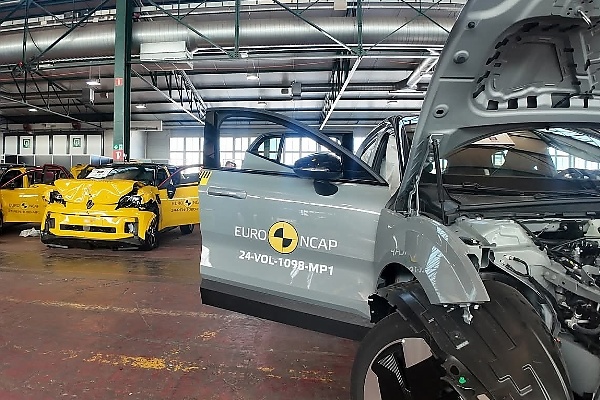
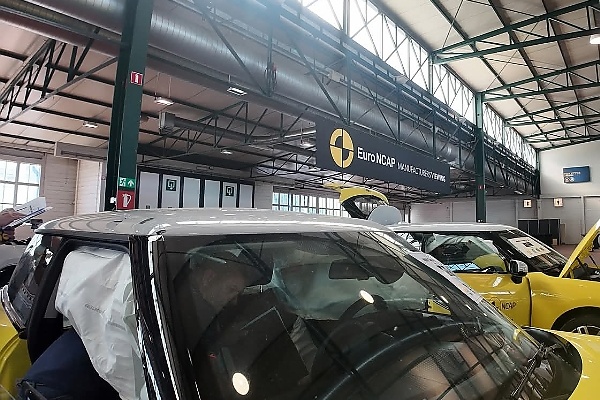
The European vehicle safety body, Euro NCAP, has announced sweeping changes to its testing methods, targeting “annoying” driver assistance systems (ADAS) and rewarding manufacturers who opt for classic physical buttons. The new, stricter procedures, which come into effect in 2026, represent the biggest revision to the protocol since 2009 and were prompted by driver criticism that the technology was too intrusive.
Four new pillars of security
The new procedure completely changes the way cars are tested and evaluated, all of which will be based on four new safety pillars: safe driving, crash avoidance, crash protection, and post-crash safety. Euro NCAP emphasizes that many of these changes are a direct response to consumer feedback, particularly complaints about “annoying warnings or intrusive interventions” of some modern assistance systems.
Focus on driver behavior
According to Index.hr, from 2026, cars equipped with technologies that monitor the driver’s attention and engagement behind the wheel will receive higher marks. Points will be awarded to “systems that monitor driver performance in real time.” Top marks will be reserved for cars that continuously monitor the driver’s head and eye movements and then use that information to adjust the sensitivity of ADAS functions. Systems that can detect the influence of drugs or alcohol and can safely stop the vehicle if the driver loses consciousness will be especially appreciated.
Physical button reward
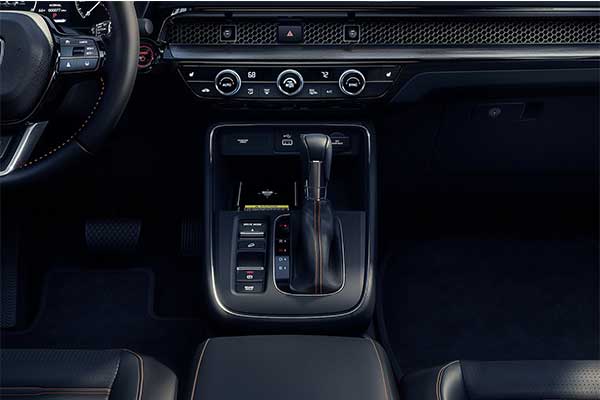
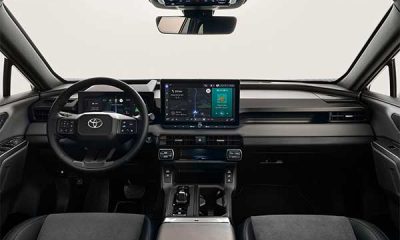
In response to growing criticism from drivers about complicated touchscreens, Euro NCAP will also assess the “position, clarity, and ease of use” of key controls. The new scoring system will emphasize the importance of physical buttons for frequently used functions, as they are considered to reduce driver distraction while driving.
Tests in real conditions
A significant part of the process will be updated to ensure that the ratings are based on the actual efficiency of the systems, not just their performance on the test track. Road testers will thus assess the accuracy of speed limit recognition functions—a common problem with modern ADAS packages—”to improve consumer acceptance.”
The focus on real-world conditions extends to testing crash prevention technologies such as Autonomous Emergency Braking (AEB) and Lane Keeping Assist. New test scenarios will be introduced in urban conditions involving cyclists and motorcyclists to “reflect real accident patterns.” These systems will also be judged on their “smoothness and intuitiveness” in response to criticism that they sometimes intervene unpredictably and disruptively.
Safety even after a collision
In addition to prevention, Euro NCAP will place more emphasis on “safety after a crash.” Electric door handles will have to remain functional after an accident, while electric vehicles will have to provide “proper isolation” of batteries to reduce the risk of fire. Also, automated emergency call systems will have to inform the emergency services of the exact number of passengers in the vehicle in order to organize the appropriate assistance.
More rigorous and relevant tests
Euro NCAP’s chief secretary, Michiel van Ratingen, said the sweeping changes aim to increase the “rigor and relevance” of the testing process, ensuring cars are tested for performance before, during, and after a crash.
“Updates to the protocol ensure that Euro NCAP’s testing, analysis, and ratings remain the definitive guide for consumers who value an unbiased guide to the safety of the latest cars,” he said. “Euro NCAP continues to raise standards in all aspects of vehicle design, and the 2026 protocols embody this commitment by encouraging manufacturers to adopt and improve life-saving technologies. The intended outcome is improved protection for vehicle occupants and all road users through more effective driver assistance, robust accident prevention, improved crash protection, and improved post-crash handling.”








-

 Celebrities Auto1 week ago
Lionel Messi Just Ordered Sunreef’s ULTIMA 88 Luxury Yacht, Worth Up To $10.7 Million
-

 News1 week ago
OMODA & JAECOO Strengthen European Presence, Record 73,421 Global Sales
-
 News1 week ago
Alfa Romeo Cuorerosso Concept Debuts With 2+2 Coupé Design, 2.9L V6 Full-Hybrid Powertrain
-

 News1 week ago
Tesla Unveils Flying Roadster With SpaceX Thrusters, Claims 0–60 MPH In Under One Second
-
 Latest Cars1 week ago
Mercedes-AMG Unveils All-new GT, A 1,169-hp Electric SUV With Sports Car DNA
-

 Celebrities Auto1 week ago
Dubai Police Adds Lamborghini Temerario To Luxury Patrol Fleet, A Month After Mansory Ferrari 812 Superfast
-
 News1 week ago
VW Group Designer Fears AI May Take Their Jobs
-
 News6 days ago
BMW Group Delivers 1.7 Million BMW, MINI And Rolls-Royce Cars In 9 Months, Down 4.9%

