
News
Stellantis Opposes The EU’s 2035 Ban On ICEs

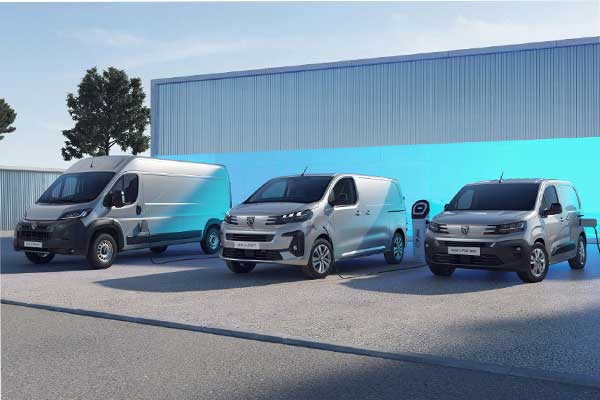
Earlier this year, the European Union reaffirmed its position on phasing out sales of new cars with internal combustion engines from 2035. However, the decision is not final, as the promise of zero emissions is still under discussion.
The original plan was to review the proposal in 2026, but that was moved to next month. For obvious reasons, most automakers are against the measure, and Stellantis is the latest to speak out.
In an interview with Politico, the chairman of the car conglomerate, John Elkann, said that the EU should review and allow ICEs even after 2035. In particular, he was referring to plug-in hybrids and extended-range electric vehicles, in which the gasoline engine serves as a generator to charge the battery. Elkann, who is also chairman of Ferrari, sees the future of alternative fuels as another path to decarbonization.
But even before the proposed 2035 deadline, manufacturers selling cars in Europe face other goals. They must adhere to progressively lower emissions from the fleet, reducing them by 15 percent for the period 2025-2029 compared to the period 2020-2024. The EU originally wanted carmakers to meet the new target by the end of this year, but has since given more time. They must now have average emissions of 93.6 g/km over the period 2025–2027.
The next obstacle comes in 2030 for a period that lasts until the end of 2034. Companies will have to reduce emissions from their fleet even more, to just 49.5 g/km.
Elkann wants the EU to give carmakers more time. Instead of having to meet a stricter annual target starting in 2030, Elkann believes the industry should be allowed to average emissions over five years (2028-2032).
It’s easy to see why Stellantis and other major automakers are opposed to being forced to sell only electric vehicles. Electric vehicles held just 16.1% of the market share in the European Union by September, according to data from the European Automobile Manufacturers Association (ACEA). Reaching 100% in nine years is highly unrealistic and would wreak havoc across the industry, putting huge numbers of jobs at risk.
A few months ago, BMW’s chief technology officer, Joachim Post, said that forcing the adoption of electric vehicles “could kill the industry.” His statement echoed a similar warning from Mercedes chief executive Ola Källenius, who claimed the European car industry was “going full speed into the wall” if the internal combustion engine ban remained in place.







-
 Celebrities Auto1 week ago
Swedish Soccer Icon Zlatan Ibrahimovic Buys $4 Million Ferrari F80 For 45th Birthday (Photos)
-
 News1 week ago
Who Owns Who? World’s Largest Automakers And The Car Brands They Currently Control
-

 News4 days ago
Carloha Goes “The Extra Mile” To Redefine Vehicle Ownership Experience In Nigeria
-

 Celebrities Auto4 days ago
No Innoson This Year As BBNaija Season 11 Winner Temi Receives ₦60m Hyundai Tucson, ₦90m Cash Prize
-

 News1 week ago
Porsche Will Fit A Petrol Engine In The Macan Again In 2028
-
 News1 week ago
‘Temu Range Rover’ Jaecoo 7 Tops UK Car Sales In September As Chinese Brands Continue Their Global Rise
-

 Celebrities Auto1 week ago
Cars Owned By Coscharis CEO Cosmas Maduka, From Rolls-Royce And Grenadier To Range Rover
-
 Latest Cars2 days ago
All-New 2027 Hyundai Tucson Unveiled With Bolder Design, Hybrid Power And New Tech


