
News
US’ NHTSA Approve No Steering Wheels For Fully Autonomous Cars That Can Drive Themselves Without Human

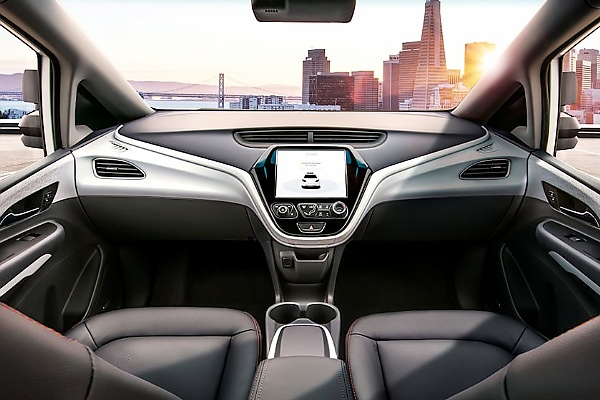
National Highway Traffic Safety Administration (NHTSA) halts requirement of human controls in Fully Autonomous Vehicles.
It says automakers don’t need to install steering systems into cars that is fully capable of driving without humans.
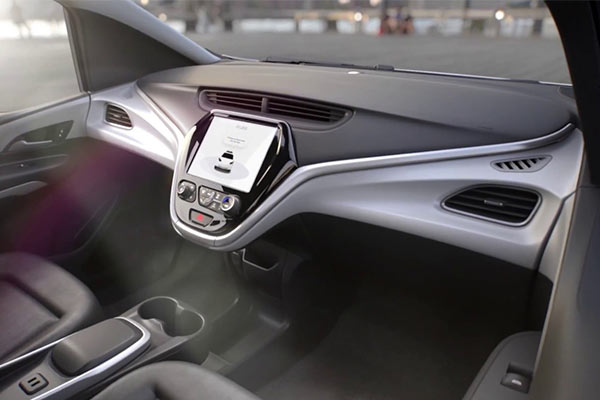 The US National Highway Traffic Safety Administration (NHTSA) says it would no longer require fully autonomous vehicles to equip human control elements in its vehicles to meet crash standards.
“Through the 2020s, an important part of USDOT’s safety mission will be to ensure safety standards keep pace with the development of automated driving and driver assistance systems,” U.S. Transportation Secretary Pete Buttigieg said.
“This new rule is an important step, establishing robust safety standards for ADS-equipped vehicles.
-
READ ALSO: World Kidney Day: Italian Police Use Lamborghini Huracan To Transport Kidney 300-miles In 2-hours
Reuters said the agency commented that vehicles designed to be solely operated by an ADS would make manually operated driving controls “logically unnecessary.”
As autonomous vehicles become a goal of many automakers, the regulatory processes of the cars have become a more relevant issue in the past few years. Now that so many companies are focused on increasing autonomy in their vehicles, the agencies responsible for handling road safety are revising the rules to cater to new technology.
The past several years have been nothing but an uphill climb for the companies attempting to gain permission to test their vehicles on the road, especially ones without steering wheels or brake and acceleration pedals.
In February, General Motors started petitioning for permission to build self-driving vehicles void of human controls. Steering wheels and brake pedals would not be essential for fully autonomous vehicles because the cars will require no human intervention or interaction with driving.
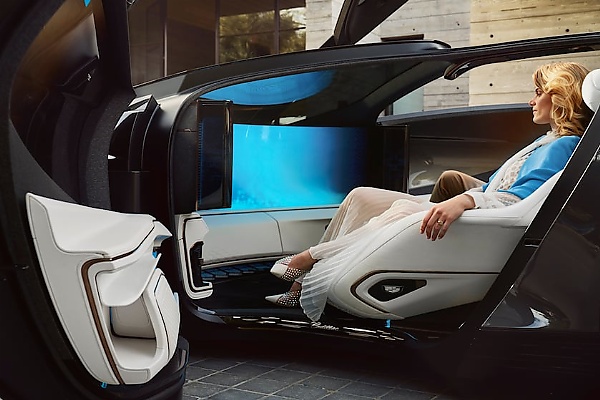
The car will handle 100 percent of the driving responsibilities, leaving passengers to use time on the road for whatever they please.
“As the driver changes from a person to a machine in ADS-equipped vehicles, the need to keep the humans safe remains the same and must be integrated from the beginning,” Dr. Steven Cliff, NHTSA’s Deputy Administrator, said in a press release. “With this rule, we ensure that manufacturers put safety first.”
The rules set previously were written for common, traditional vehicle features, the NHTSA said. The updates clarify what automakers must do when applying the standards to ADS-equipped vehicles that will lack manual controls.
“The final rule clarifies that, despite their innovative designs, vehicles with ADS technology must continue to provide the same high levels of occupant protection as current passenger vehicles,” the agency added.
-
READ ALSO: Burna Boy Takes His Lamborghini Urus For A Spin Moments After The ₦200m+ SUV Arrived In Nigeria

-

 Car Theft1 week ago
Man Flees With Stolen Tundra During Test-Drive, Crashes Into Lagos Canal After Damaging Dozens Of Vehicles
-

 Celebrities Auto1 week ago
Lionel Messi Just Ordered Sunreef’s ULTIMA 88 Luxury Yacht, Worth Up To $10.7 Million
-
 News1 week ago
The Toyota Mirai Is Turning Out To Be The Worst Resale Value Car The Company Has Ever Made
-
 News1 week ago
The New Electric Jaguar Type 01 Has Reportedly Received 50,000 Orders
-
 News1 week ago
BMW Considers New Flagship SUV To Sit Above The X7, Specifically For US Market
-

 News5 days ago
OMODA & JAECOO Strengthen European Presence, Record 73,421 Global Sales
-
 News1 week ago
Alfa Romeo Cuorerosso Concept Debuts With 2+2 Coupé Design, 2.9L V6 Full-Hybrid Powertrain
-
 News1 week ago
BMW Is Bringing The V8 Back In Another Model