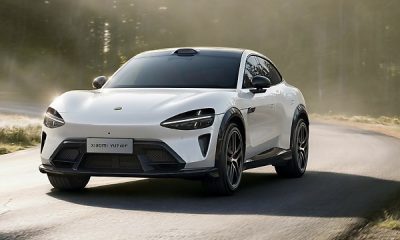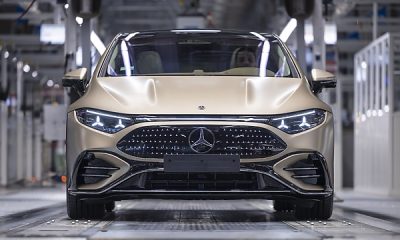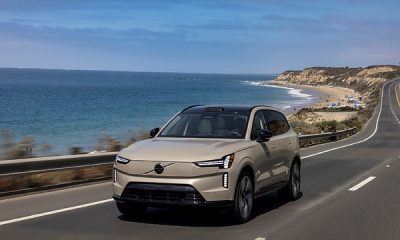

Beyond the (perhaps misleading) feeling of security, the choice of an SUV over a sedan is often based on the higher driving position and the perceived better visibility. However, a recent study shows that this misconception is unfounded. Visibility is actually better… in smaller cars! The German organization studied no fewer than 430 vehicles since 2019, focusing particularly on visibility from inside the vehicle.
The result: it’s getting worse and worse in our modern cars. According to the ADAC, several design changes explain this phenomenon. Windshield pillars have become thicker to enhance protection in the event of a collision or rollover. Higher and longer hoods also reduce the perceived size of the vehicle’s front end. Finally, higher body lines and smaller windows limit lateral and rear visibility. These technical choices respond to real imperatives, whether passive safety, design, or aerodynamics. But they also have concrete consequences for driving. ADAC points out that accidents at intersections or when changing direction represent a significant proportion of serious collisions, often linked to poor perception of other road users.
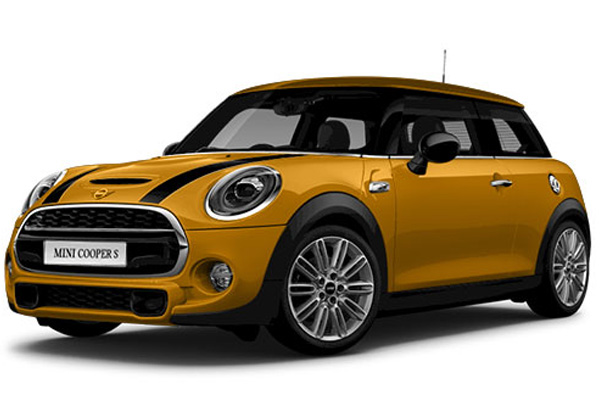
Smaller cars often get better ratings
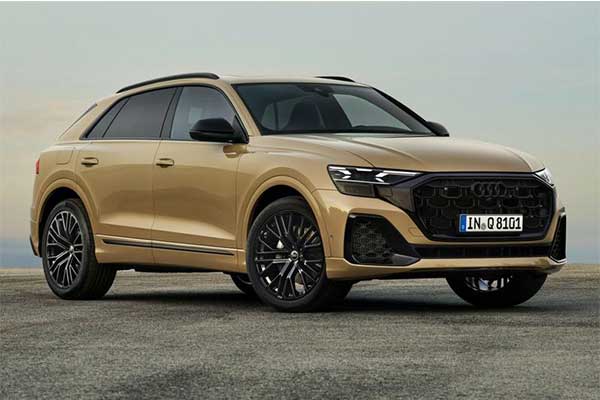
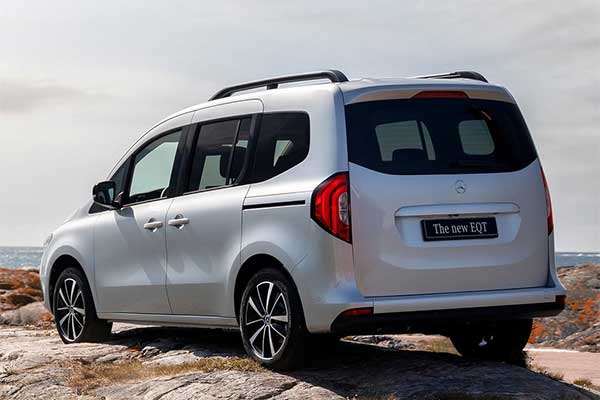
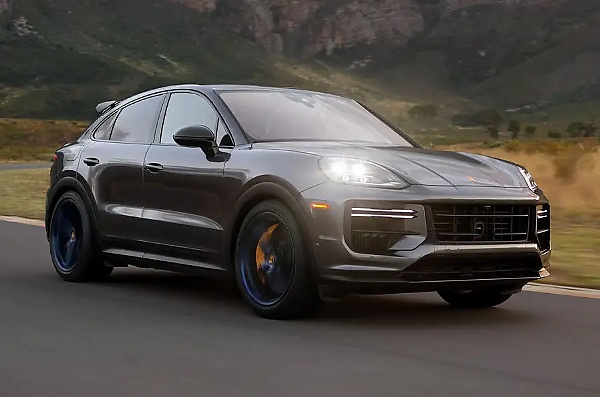
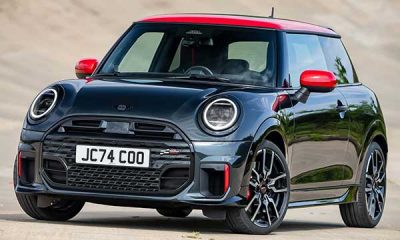
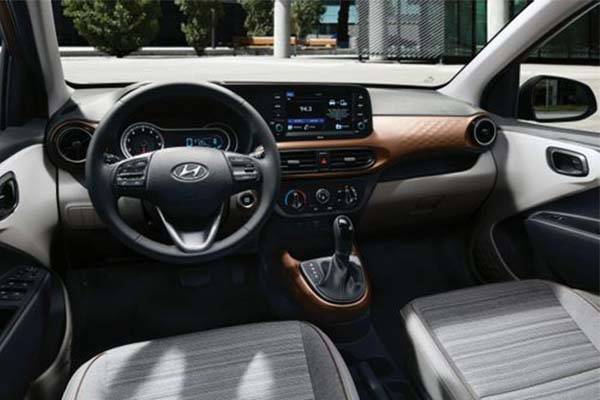
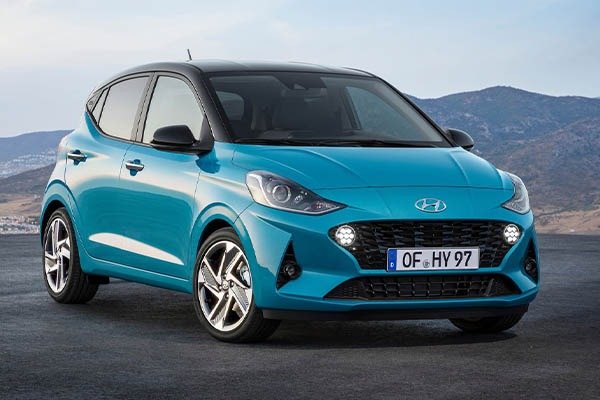
The study also highlights significant differences between vehicle categories. City cars consistently rank among the models offering the best overall visibility. The Mini Cooper, for example, receives the highest visibility score, ahead of the Hyundai i10. Large SUVs also feature, with the Audi Q8 taking third place. Conversely, several SUVs, minivans, and large sedans are penalized by significant blind spots, primarily due to the width of the A-pillars or the height of the body. In some cases, forward or rearward visibility is deemed insufficient, particularly during maneuvers or in urban environments. Among the models singled out are the Porsche Cayenne and BMW 7 Series, as well as their cousins, the Mercedes EQT and Renault Kangoo, and the Dacia Jogger.
Essential but insufficient electronic aids
To compensate for these limitations, manufacturers are now integrating numerous driver assistance systems: reversing cameras, surround-view cameras, blind-spot alerts, and automatic braking. While these technologies certainly improve safety, they do not completely replace the driver’s direct perception. The ADAC (German Automobile Club) emphasizes that natural visibility remains a fundamental element of active safety. Electronic devices can help in certain situations, but they do not always function in all conditions and require the driver’s continued attention.
An issue that goes beyond simple design
This trend raises a broader question about the design of modern cars. Between regulatory constraints, stylistic expectations, and the integration of new technologies, finding the right balance between protection and visibility is becoming increasingly difficult. While SUVs now dominate the European market, the German study reminds us that a larger vehicle doesn’t necessarily guarantee better road visibility. This finding encourages drivers to test visibility in practice when buying a car and manufacturers to reintegrate this criterion into their development priorities.