


Tips
The 2 Main Types Of Engine Oil You Need To Know; Their Advantages And Disadvantages

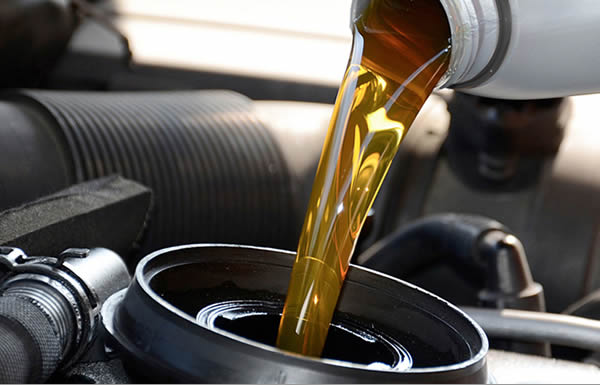

Engine oil is a vital fluid used by car engines to lubricate the engine parts as well as reduce friction. Using the right engine oil will go a long way in making your car operate optimally.
It is very important to choose the right engine oil for your car. This is why you look out for some certain things when you are about choosing the right engine oil for your car.
There are basically two main types of engine oil: mineral oils and synthetic oils. Let’s explore their features and differences.
1. Mineral engine oil:
Mineral engine oils are derived from the refining of crude petroleum. During the process, natural contaminants and unwanted hydrocarbons are removed.
Mineral oils are ideal for older vehicle models. They offer the advantage of low cost.
However, mineral oils flow through the engine circuit more slowly. This results in increased fuel consumption and impacted vehicle performance. Mineral oils also need to be changed more frequently than synthetic oils. However, mineral oils are quality oils that are largely sufficient if recommended by your automotive manufacturer.
-
You may also like: 5 Mistakes You Should Avoid When Changing Your Car Engine Oil
2. Synthetic engine oil:
Synthetic engine oils are a product of complex chemical transformations that are performed either directly on crude petroleum extracted by drilling, or using preselected molecules.
Synthetic oils contain fewer impurities than mineral oils and are chemically modified. They are mainly designed for high-performance engines.
The difference with mineral oils resides in the transformation process: synthetic oil undergoes more sophisticated modifications.
For both types of oil, additives are added to significantly improve the oil’s performance. The additives can protect against wear, oxidation, corrosion, or foam, or provide detergents or dispersants.
What are the advantages of synthetic oils?
Synthetic oils offer many advantages:
- Excellent flow at low temperatures;
- Stable viscosity, even at high temperatures (synthetic oils do not fluidify easily);
- Less frequent oil changes;
- Less formation of deposits;
- Less wear on parts;
- Optimized fuel consumption;
- Protection of engine, longer lifespan.
The main disadvantage of synthetic oils is that they are slightly more expensive.
All oil types are not suited to all types of engines. Before choosing between a standard mineral oil or a synthetic oil, it is important to read your automotive manufacturer’s recommendations.
















-

 News1 week ago
Photos : First Look At Burna Boy’s Widebody Bugatti Chiron Worth ₦9 Billion
-

 News10 hours ago
Two Hongqi E-HS9 Luxury SUVs Spotted On The Nigerian Road As Premium Chinese Cars Take Over
-

 News1 week ago
Venuum Unveils Burna Boy’s One-of-a-kind Bugatti Chiron VXX Special Edition Worth ₦9 Billion
-

 Car Facts5 days ago
How Intelligence And Car Selection Are Related: Research Reveals Which Drivers Have The Highest IQs
-

 News15 hours ago
Pagani Founder ‘Horacio’ Celebrates 70th Birthday With Limited-edition Huayra 70 Derecho
-

 News13 hours ago
Xiaomi’s New SkyNomad N90 SUV Features Rotating Front Seats To Create an In-Car ‘Living Room’
-

 News1 week ago
Bentley Continental GT Supersports Design Theme by Mulliner
-

 News1 day ago
14 EV Owners Are Told By Hyundai And Kia To Park Away From Their Homes