
Tips
5 Important Things You Must Know Before You Park Your Car

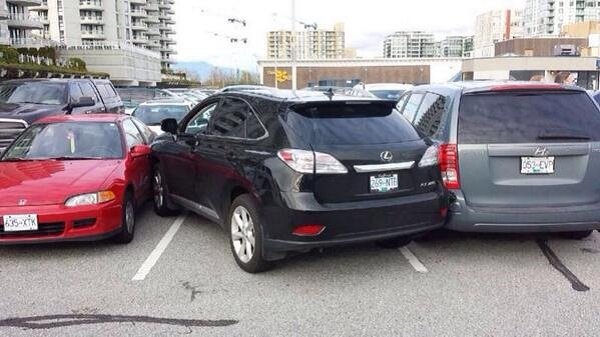
Parking is the act of stopping and disengaging a vehicle and leaving it unoccupied.
Every driver of a motor vehicle should park in such a way that it does not cause danger, obstruction, or undue inconvenience to other road users.
You’re only permitted to park the way you want inside your compound where you stay alone. Don’t forget to read “15 Annoying Things Our Neighbours Do With Their Cars.”
1. How to park
- Before parking, check your mirror and look out for other road users. Signal to show your intention to stop.
- Remember the Look-Signal-Move routine which means: Look around and check your mirrors to assess the speed and position of traffic behind you – Signal to warn other road users what you intend doing – Move or Manoeuvre represents any change in speed or direction.
- Before leaving your vehicle, switch off the engine and make sure your parking brake is on. Do not expose valuables in your vehicles. Where safety or anti-theft devices are installed, use them.
- Remember to switch off your headlamps at night so your battery does not run down.
- Use parking light when necessary.
2. Where not to park
You must not park wherever you see NO PARKING sign. You must not park wherever your vehicle will obstruct the views of other road users or constitute danger to them. For instance, don’t park at or near:
- Road junction
- Bends or corners
- Brow or crest of a hill
- Narrow bridge
- Level crossing
- Bus stop
- Pedestrians crossing, or on either side of a crossing
- School entrance or other entrances
- Footpath, pavement or cycle path
- The left hand side of the road (except in a oneway street).
- On a narrow road
- On flyovers, in tunnels or in underpasses (unless there are signs to say you may park there)
- On expressways (except on the hard shoulder in an emergency)
- On a single track road.
- Outside a private entrance for vehicles
3. Do not block the view of traffic signs
You should not park your vehicle in such a manner that block road traffic signs. When you block these road traffic signs, you deny other motorists the chances of knowing what lies ahead of them. An example is blocking the ‘bending ahead’ road traffic sign.
4. Stay away from emergency entrances/exits
Do not park your vehicle to block or within 15 meters of entrances through which emergency vehicles go in and out, that is, near the entrance of:
- Hospitals
- Roadside clinics
- Road Safety Stations
- Fire Stations
- Fire hydrants
- Police stations
5. Do not obstruct the flow of traffic
Do not park where you would make the road narrow:
- Alongside another parked vehicle
- Opposite another vehicle if this would narrow the road to less than the width of two vehicles (double parking)
- Near road works
The way and place you park really matters because wrong parking can hinder the movement of others especially during emergencies.
Kindly share with us the worst parking experience you’ve had using the comment section.
Don’t forget to like, rate and share.











-

 Celebrities Auto4 days ago
Swedish Soccer Icon Zlatan Ibrahimovic Buys $4 Million Ferrari F80 For 45th Birthday (Photos)
-
 News1 week ago
Tesla Delays The Second-Generation Roadster By 2 Weeks
-

 News6 days ago
Who Owns Who? World’s Largest Automakers And The Car Brands They Currently Control
-

 News1 week ago
Uber CEO Tests Driverless Verne Robotaxi Ahead Of Steering-Wheel-Free Global Rollout
-

 Celebrities Auto1 week ago
Kizz Daniel Flaunts Car Collection With ₦1.6bn Ferrari Purosangue, Rolls-Royce Cullinan & Mercedes G-Class
-

 News1 day ago
Carloha Goes “The Extra Mile” To Redefine Vehicle Ownership Experience In Nigeria
-

 News1 week ago
Korope Bus Driver Pleads For Mercy After Crashing Into ₦450M Lamborghini Urus In Lagos
-

 News4 days ago
Porsche Will Fit A Petrol Engine In The Macan Again In 2028


