





News
Ford CEO Jim Farley Explains Why The Focus And Fiesta Was Discontinued


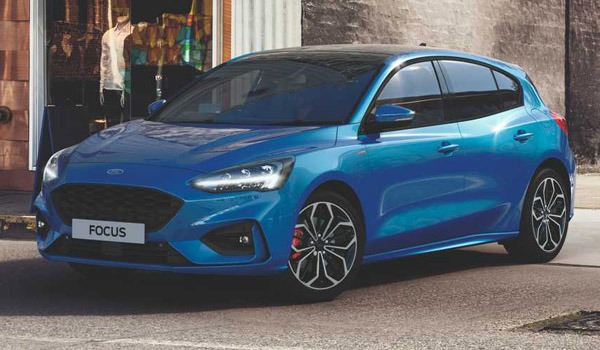
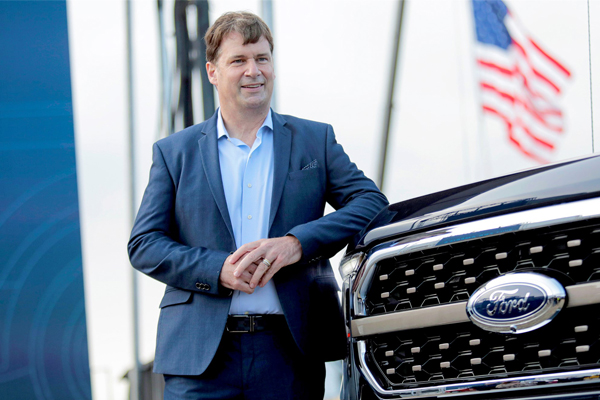
CEO Jim Farley openly admitted this in an interview with the Argentinian daily La Nación. In that interview, Farley explained, without the usual corporate language, why models like the Fiesta and Focus have disappeared from the lineup and why Ford no longer wants to present itself as a manufacturer that offers everything from basic city cars to large pickups.
According to Farley, the idea of Ford being “a manufacturer for everyone” carried an almost symbolic, historical weight. The ambition was clear—to follow the spirit of the Model T and offer widely available cars. However, the reality of the global market proved to be inexorable. Production costs were simply not competitive with Japanese and Korean manufacturers, who have been honing efficiency in that segment for decades.
“It wasn’t a mistake to try, but it was a mistake to persist,” Farley said, acknowledging that Ford didn’t have the cost advantage needed to compete in the lower-priced class over the long term. The result was clear: a restructuring of the offer and a focus on what makes Ford stronger but also more profitable.
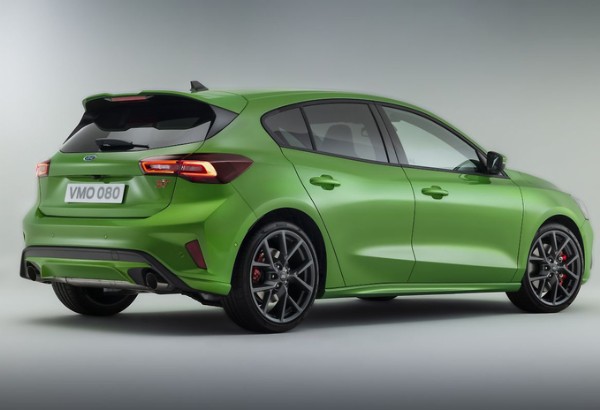
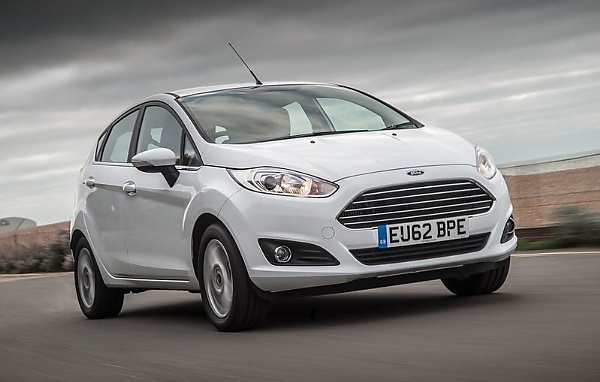
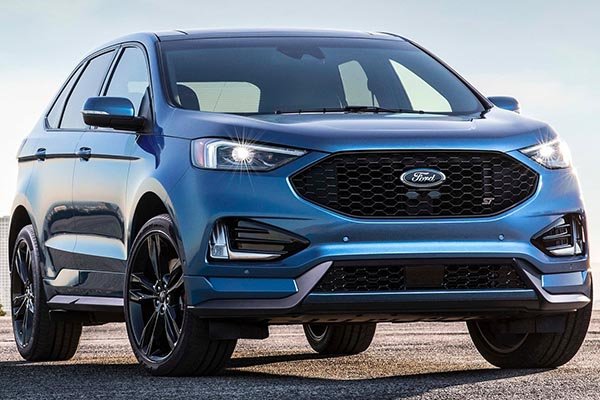
In recent years, this can be seen very concretely. The Fusion, Taurus, and Edge, and recently the Escape, disappeared from the American market, while the European offer was significantly reduced after the cancellation of the Fiesta, Focus, and Mondeo. Global sales fell significantly compared to the period between 2013 and 2017, when Ford annually delivered more than 6.3 million vehicles. Today, that figure has stabilized at between 4.2 and 4.4 million copies.
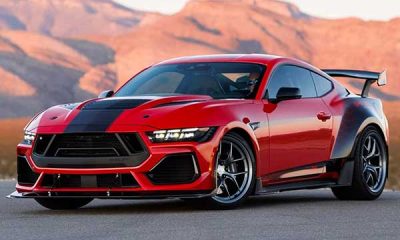
However, lower sales do not mean lower results. On the contrary, Ford is now making money on vehicles that play on the brand’s emotions, identity, and heritage. The Mustang, the Bronco, which is coming to Europe, and the various Raptor versions of the pickups are not intended as rational choices but as products that evoke desire, passion, and loyalty. This is precisely where Farley sees the future of the brand.
Instead of competing with the Toyota Corolla and similar mass models, Ford today prefers to position itself as a manufacturer of more profitable vehicles, even at the cost of a smaller market share. It’s a risky but conscious decision and a clear sign that the “car for everyone” era is definitely coming to an end for Ford.







-
 News1 week ago
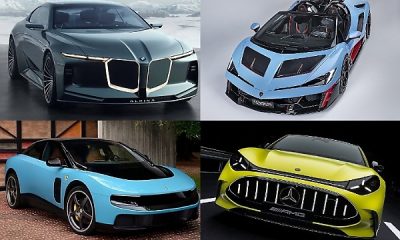
Vision BMW Alpina, Lamborghini Fenomeno Roadster, Ferrari Luce, Mercedes-AMG GT 4-Door Coupé, News In May
-

 News1 week ago
Liberian Senator’s Toyota Land Cruiser SUV Nearly Fell Into River After Its Tyres Slipped Off A Narrow Bridge
-
 News1 week ago
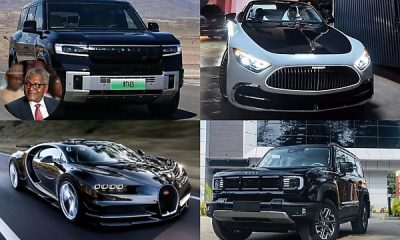
Dangote’s Leopard 8 SUV, Davido’s Mercedes‑Maybach SL 680, Burna Boy’s Bugatti Chiron, All-new Nord A7 SUV, Nigerian News In May
-
 News6 days ago
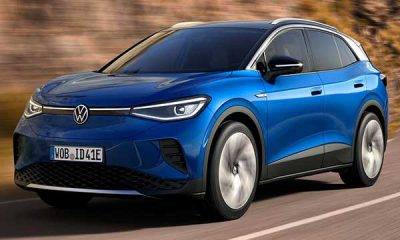
Volkswagen ID.4 Owners File A Lawsuit Regarding Charging Limits And Battery Recall
-
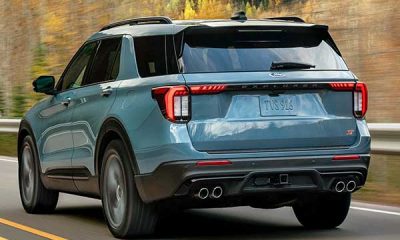
 News4 days ago
Ford Recalls Several Vehicles Over Defective Ecoboost That Can Cut Power
-
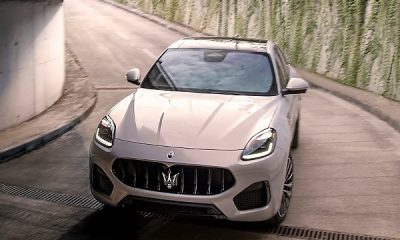
 News5 days ago
BYD Executive Vice President Says Brands Like Maserati Are “Very Interesting”
-
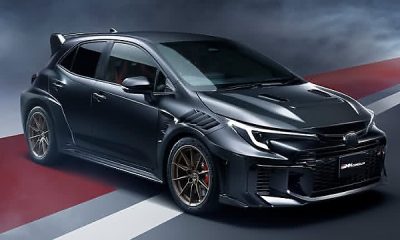
 News1 week ago
‘GR Corolla On Steroids’ : Toyota Introduces All-new Track-bred 2027 GRMN Corolla
-

 News3 days ago
No Casualties Reported As Mercedes-Benz G-Class Collides With A Barrier At Eko Hotel Roundabout