
News
Maserati Wants The V8 Back After Realising That No One Wants Quiet Supercars

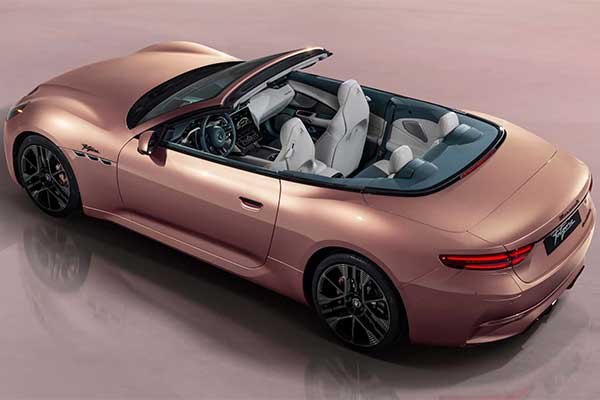
Maserati is considering bringing back V8 engines and manual transmissions for limited-run models as it shifts its long-term product strategy.
The Italian automaker previously prioritized its twin-turbo Nettuno V6 as the cornerstone of its internal combustion strategy, serving as a transitional measure ahead of an all-electric roadmap that has since been abandoned. Leadership has now acknowledged long-standing feedback from enthusiasts, recognizing that there is significant consumer demand for higher-cylinder configurations—a legacy capability that remains well within Maserati’s engineering heritage.
Building the Case For Eight Cylinders
In an interview with the Australian publication Carsales, Maserati’s head of engineering, Davide Danesin, expressed optimism regarding the potential return of the V8 engine, stating, “My personal opinion is yes. I think the V8 could potentially be coming back. I am certain that there is a viable market for such a vehicle, even if production numbers remain limited.”
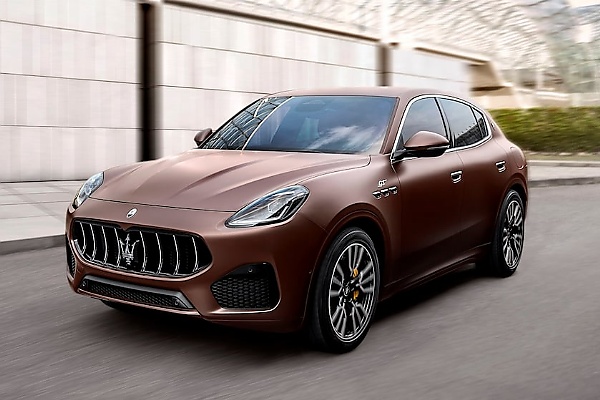
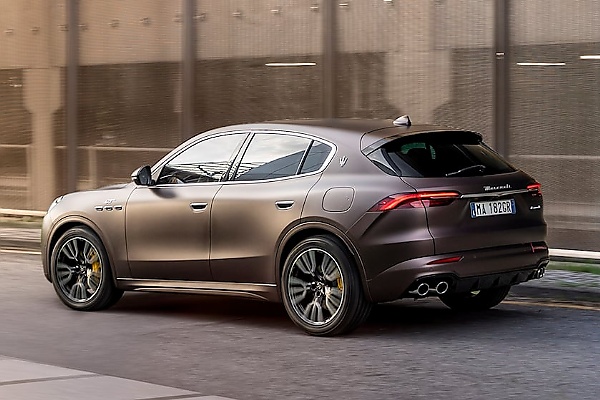
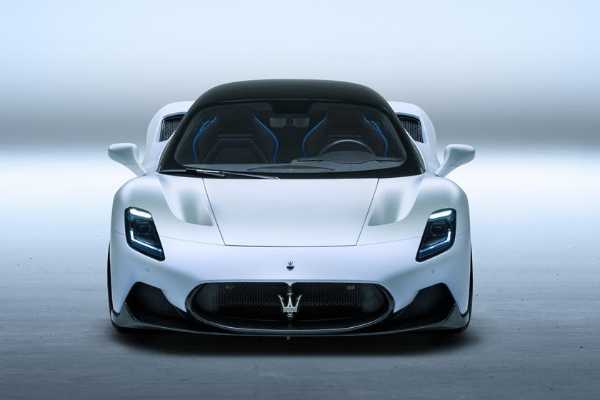
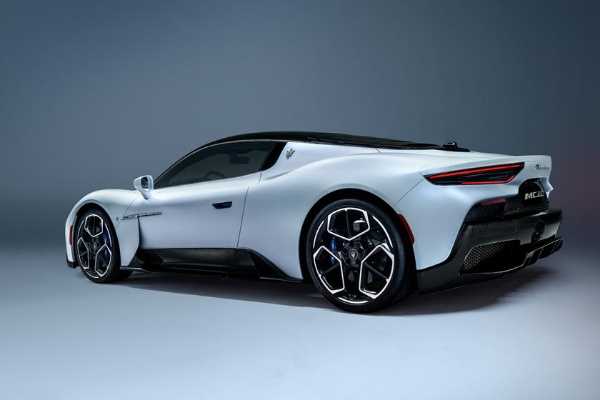
Maserati’s engineering chief, Davide Danesin, confirmed that feasibility studies are underway to fit V8 engines into current models like the GranTurismo, GranCabrio, Grecale, and the MC20.
While not yet approved by Stellantis, engineering lead Davide Danesin is optimistic about the V8’s return, noting, “The momentum is building; there is significant potential for such a project.”
Danesin explains that the V8’s appeal isn’t about performance but about brand identity. With the Ferrari-sourced engines gone and Stellantis’ Hemi engines too large for current models, Maserati faces a dilemma: they must either develop a new proprietary engine or find a new supplier.
A Real Manual Gearbox
Maserati is exploring the return of V8 engines and, in a shift toward pure driving engagement, is considering reintroducing manual transmissions. Engineering lead Davide Danesin confirmed that the brand is evaluating a true mechanical gearbox—not a simulated one—to deliver authentic tactile feedback and heritage-focused performance for its most exclusive, limited-run models.
Danesin equates the return of manual gearboxes to the appeal of mechanical wristwatches, prioritizing tactile engagement over the superior speed of automatic transmissions. He notes that the low production volume for such specialized components would drive development costs to between €15,000 and €20,000 per unit, significantly higher than the cost of standard automatic transmissions.
Future manual and V8-powered models will likely be produced by Bottega Fuoriserie, the collaborative bespoke and coachbuilding division shared by Alfa Romeo and Maserati. This strategy indicates a focus on limited production runs, with pricing positioned to reflect the brand’s exclusive market standing.







-

 Business1 week ago
Dangote Cement Rewards Top Distributor With New 2026 Lexus LX700h Worth Over ₦400 Million
-
 News4 days ago
Mansa Fulfills Challenge: TikTok Star Peller Gifted ₦300 Million Mercedes-Benz G-Wagon
-
 News4 days ago
Ultra-Rare, Centre-Driving McLaren F1 GTR Fetches Record $34.6 Million At Auction
-
 News1 week ago
Davido’s Mystery Supercar? Mansory Teases One-Off Open-Top Masterpiece Believed To Be Bugatti Mistral
-
 News1 week ago
The Four-Cylinder Engine Issues With Jaguar Land Rover Are Still There
-
 Latest Cars1 week ago
Lexus Updates The ES For 2027, And It Will Be Made In Japan
-

 Celebrities Auto18 hours ago
Inside KC Luxury’s Car Collection: From A ₦2.5B Brabus 800 Adventure XLP To Alicia Keys’ Former Maybach
-
 News3 days ago
Porsche And Chinese Company Xpeng Collaborate To Lower Average Emissions In Europe