
News
Lada To Begin Production Of The Niva Legend 1.8-Liter

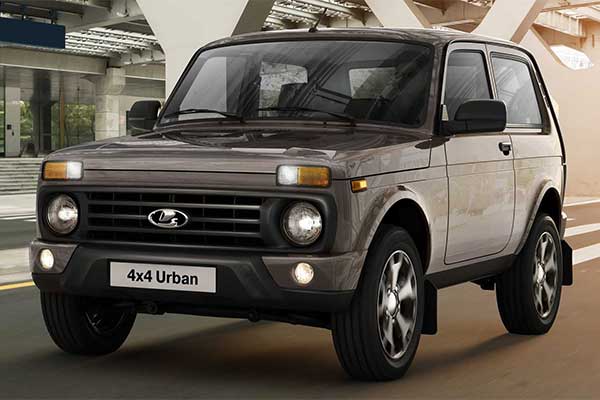
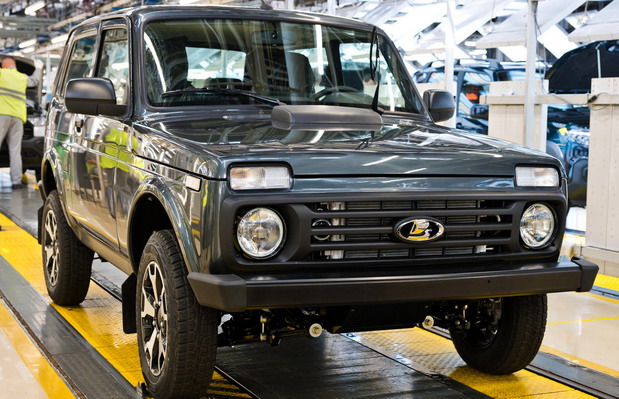
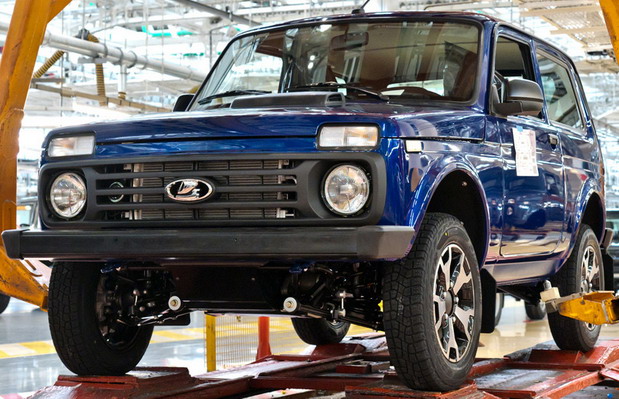
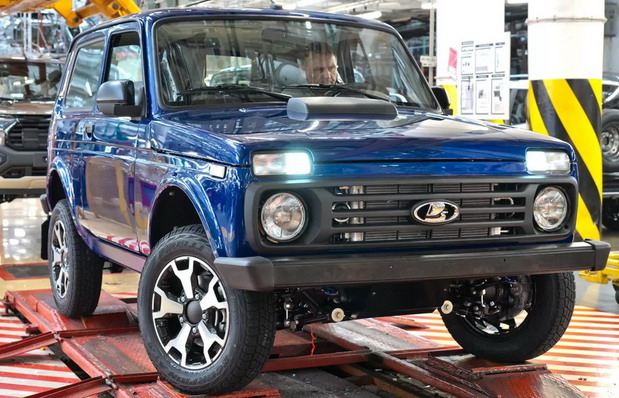
AvtoVAZ presented the updated Lada Niva Legend with a 1.8-liter engine at the beginning of June at the St. Petersburg International Economic Forum (SPIEF), and now it has officially started its serial production.
As a reminder, this Niva has a 1.8-liter eight-valve engine with 90 hp and 153 Nm. The factory points out that 80% of this torque is available as early as 1,000 rpm.
Its predecessor, a 1.7-liter engine producing 83 hp and 129 Nm, has been discontinued. The average combined fuel consumption of the updated Niva is 9 liters per 100 km (compared to 9.9 liters per 100 km for the old version).
Suspension changes were also made. “Handling and ride comfort have been significantly improved,” the company added.
The Niva Legend also gets a new front airbag for the driver and ventilated front brake discs.
Two-tone 16-inch wheels complete the look.
Other improvements:
Improved sound insulation, a shift lever moved closer to the driver, a steering wheel unified with Lada Grant, air conditioning, a cabin filter, and one key for doors and ignition.
Finally, the hood, roof and tailgate are now made of double-sided galvanized steel – a solution first used on the Niva.
Prices for the updated Lada Niva Legend will be announced later, and sales should begin in late August or early September.
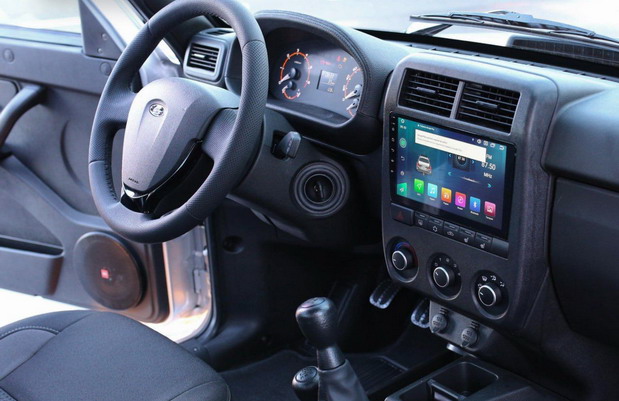
-
Read More: Lada Updates The Niva With New Features







-
 News1 week ago
Tesla Delays The Second-Generation Roadster By 2 Weeks
-
 Celebrities Auto4 days ago
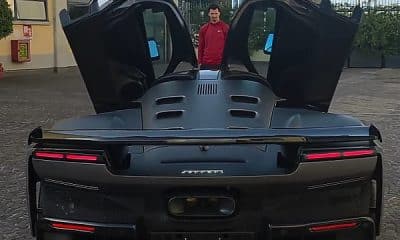
Swedish Soccer Icon Zlatan Ibrahimovic Buys $4 Million Ferrari F80 For 45th Birthday (Photos)
-
 Celebrities Auto1 week ago
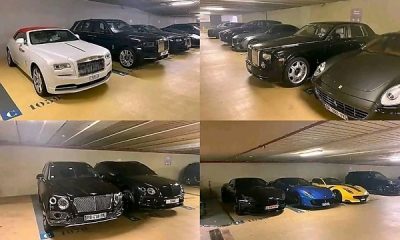
Photos: Inside Rahamaniyya Boss Abdulrahman Bashar’s Monaco Garage Filled With Rolls-Royces & Bentleys
-

 News1 week ago
Uber CEO Tests Driverless Verne Robotaxi Ahead Of Steering-Wheel-Free Global Rollout
-

 News5 days ago
Who Owns Who? World’s Largest Automakers And The Car Brands They Currently Control
-
 News1 week ago
4 Million Vehicles Are Being Recalled By The Volkswagen Group
-
 News1 week ago
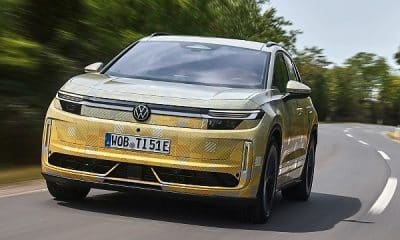
Volkswagen ID. Tiguan: New Electric SUV Will Debut In October, Replace ID.4 and ID.5 in 2027
-

 News1 week ago
Korope Bus Driver Pleads For Mercy After Crashing Into ₦450M Lamborghini Urus In Lagos


