
News
Mercedes CEO Ola Kallenius Is Still Not Happy About The Fuel Ban’s Easing

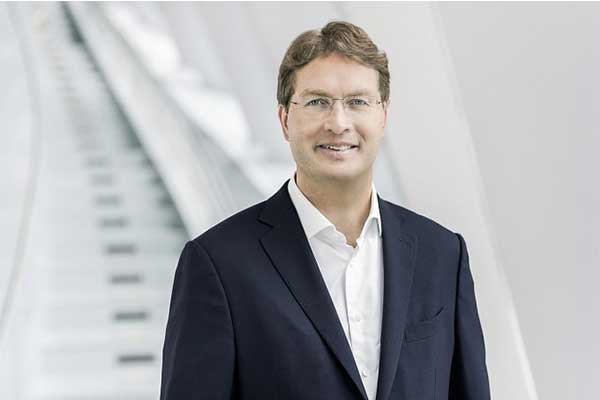
There won’t be a complete ban on the sale of new cars with combustion engines in 2035 after all. A sigh of relief for the automotive industry, but according to Mercedes CEO Ola Källenius, even the current rules could be disastrous.
After considerable pressure, particularly from the automotive industry, the EU decided in December that CO2 emissions from passenger cars must be reduced by 90 percent, not 100 percent, by 2035. This means there is a small leeway for cars that still require some form of fuel, although this must be compensated for by, among other things, using so-called green steel.
So, these are still drastic measures, but with 90 percent instead of 100 percent, car manufacturers and governments will have a bit more peace of mind. However, according to Mercedes CEO Ola Källenius, it’s not enough. In Brussels, Källenius told Automotive News that the 90 percent rule in its current form effectively still means 100 percent, mainly because of the requirement that fuel consumption be compensated for with something else. According to Källenius, even in a weakened form, the rules will have a “destabilizing” effect on the European car market.
According to him, it’s all going too fast and too far, even before 2035. The CEO also proposes that the previous relaxation, which gives car manufacturers three years instead of one to meet the 2027 average CO2 standard, should be spread over a total of five years. So what does Källenius want? More measures to make the existing vehicle fleet cleaner, for example, by promoting synthetic fuels. “We’re not discussing the need for cleaner cars, but rather how to achieve that goal,” says Källenius.








-
 Celebrities Auto1 week ago
Throwback: When KC Luxury Boasted Of Being The Only Person In The World To Own Two Rare Mercedes-Maybachs
-
 News7 days ago
Andrew Tate’s Lawyers Claim His Famous Bugatti And Aston Martin Are Rented
-
 Car Theft3 days ago
Oyo Police Bust Trans-National Car Theft Syndicate, Recover Stolen Lexus RX 350
-
 News4 days ago
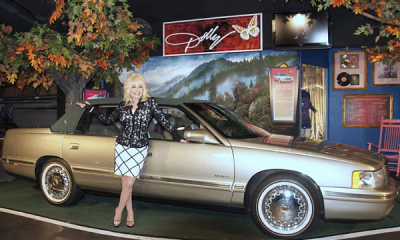
1997 Cadillac DeVille d’Elegance: Why Dolly Parton Donated Her Favorite Car After 10 Years
-
 News1 week ago
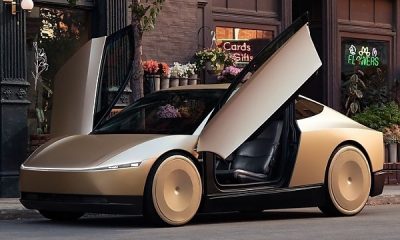
The Tesla Cybercab Has Begun Transporting Passengers In Austin Texas
-
 News1 day ago
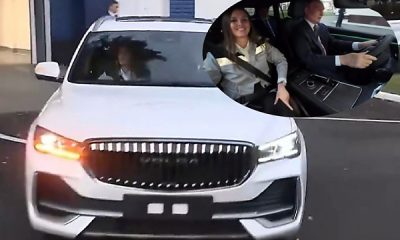
Putin Test-Drives Chinese-Designed Volga K50 Built At Former Volkswagen Plant
-
 Celebrities Auto5 days ago
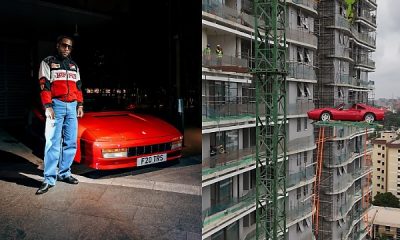
Burna Boy Lifts ₦1.6B Ferrari Testarossa Into His 26th Floor Penthouse
-
 News1 week ago
Innoson G80 SUV Steals The Show As Nigerian Army Garrison Commander Visits FCT Police