
Car Facts
Seat Belt Laws 50 Years Down The Road

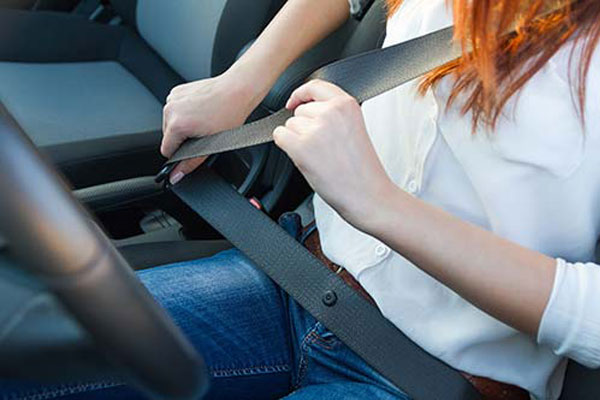
The introduction of mandatory use of seat belts in 1976 caused an outcry among drivers in what was then West Germany. Despite the campaigns, awareness changed within months, and usage rates rose to more than 90 percent within months of the fines being introduced.
From today’s perspective, it is difficult to understand the ideological battle that raged 50 years ago when, on January 1, 1976, the mandatory use of seat belts in the front seats was introduced in West Germany.
In the seventies, most drivers drove without wearing seat belts. Only five percent of drivers used them in 1972. For many, the use of a seat belt represented a restriction of personal freedom. The repulsion was so strong that the psychologists in the 1974 study were exposed to harsh insults from the respondents.
In the early 1970s, only a third of vehicles were equipped with seat belts. From January 1, 1974, new cars in West Germany were required to have seat belts in the front seats. However, almost no one wanted to use this security feature.
Numerous advertising campaigns were launched. “Experts wear seat belts” and “Fasten before driving” were famous slogans. The TV show “With a Belt and Without a Flag” premiered in 1974. The background was a shockingly high death toll—around 20,000 people died on the roads in 1970.
Most drivers remained stubbornly resistant. When seat belts became mandatory on January 1, 1976, many people ignored the rule because there were no penalties. Even in 1979, half of drivers were driving without seat belts. Only in 1984, when a fine of 40 marks was introduced, did the behavior change. The usage rate rose to over 90 percent within months, and the death toll dropped significantly: 8,400 people died in 1985.
However, the real breakthrough happened in Sweden. Nils Ivar Bohlin, a former aeronautical engineer, developed a three-point safety belt for Volvo—a system that “secures both the upper and lower body.” Already in 1959, the first Volvo models were equipped with these belts as standard.
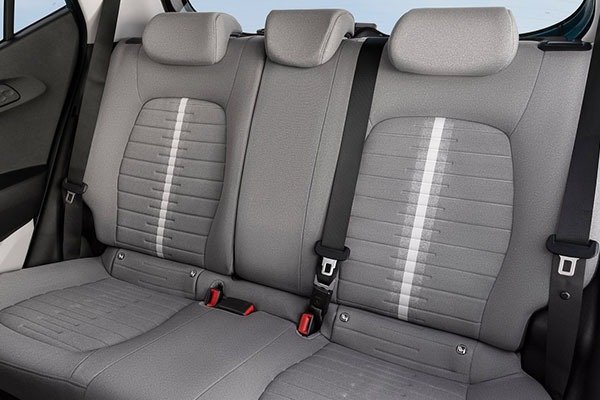
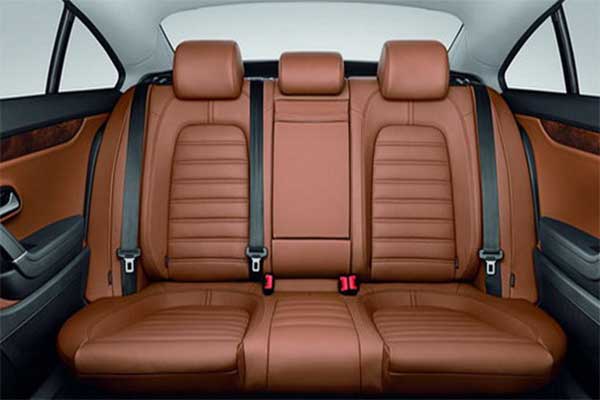
Mercedes-Benz introduced the seat belt pretensioner in 1981. From 1973, all Mercedes models had three-point front seat belts as standard. It was only on July 1, 2004, that seat belts became mandatory in the rear seats in Germany.
Today, the use of seat belts has become commonplace. Seat belt use is now 98 percent.
-
Also See: Why It’s A Good Idea To Wear Seat Belts In The Back Seat Even When There Are No Passengers Present











-

 Celebrities Auto1 week ago
Most Expensive In Africa : Burna Boy Takes Delivery Of His ₦9B Bugatti Chiron VXX
-

 Celebrities Auto7 days ago
From ₦9B Bugatti Chiron To Porsche 911 GT3 RS, 12 Impressive Cars In Burna Boy’s Multi-Billion-Naira Car Collection
-

 Celebrities Auto1 week ago
Diamond-Encrusted Key For Burna Boy’s ₦9B Bugatti Chiron VXX Can Buy A Brand-New Car
-

 Celebrities Auto1 week ago
Today’s Photos: Burna Boy’s Bugatti Chiron VXX Journey From Dubai To Abuja And Lagos
-

 Celebrities Auto2 days ago
Billionaire Gifts Popular Bishop 2026 Rolls-Royce Cullinan And Over ₦370 Million Cash For Fuel
-
 News1 week ago
Bugatti W16 Mistral: $16.3M World’s Fastest Open-Top Car Gets Paint Protection Film
-
 Celebrities Auto1 week ago
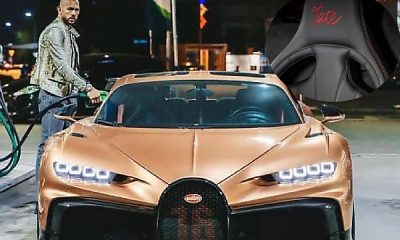
Inside Andrew Tate’s Bugatti Chiron With Custom “Tate” Headrests, Which He Claimed Was Rented
-
 News4 days ago
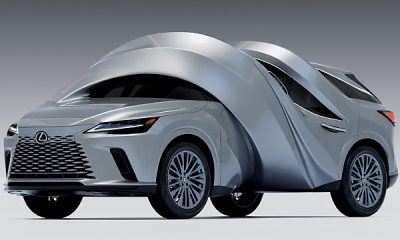
MOTOMORPHOSIS: MSCHF Transforms Lexus RZ 450e and RX 450h+ Into Bizarre Car Sculptures


