
News
Toyota Could Fit The New Lexus LFA With Fake Shifters


Toyota is developing a simulated transmission for its EVs to provide the mechanical feedback and engagement of internal combustion engines, following Hyundai’s success with similar systems to boost driving excitement.
Following the initiatives taken by Mercedes-AMG and Porsche to emulate internal combustion engine dynamics, Toyota remains committed to developing simulated transmission technology for electric vehicles. Although the company previously showcased a prototype featuring a traditional shifter and clutch pedal, a recent patent filing in the United States suggests a shift toward a more automated, simulated gear-shifting system. This new approach appears to prioritize accessibility and performance, potentially offering a more intuitive experience by eliminating the need for a third pedal while maintaining the tactile engagement characteristic of a sequential transmission.
According to a patent filing recently uncovered by CarBuzz, Toyota is developing a system that enables electric vehicle motors to modulate torque across six simulated gears, effectively mimicking the performance of a traditional automatic or dual-clutch transmission. By momentarily interrupting power delivery during gear changes, the system replicates the tactile shifts and physical feedback typically associated with internal combustion engines, similar to the approach currently utilized by Hyundai.
Furthermore, the patent highlights the advantages of this automated configuration over Toyota’s earlier simulated manual transmission prototype. While the previous design incorporated a clutch pedal to appeal to enthusiasts, this updated system prioritizes broader accessibility by utilizing paddle shifters or a standard gear lever. This innovation aims to provide an engaging, sequential driving experience that remains intuitive for a wider range of drivers.
The second-generation Lexus LFA would serve as an ideal platform for the introduction of this technology. Unveiled as a concept in December 2025, the vehicle shares its aluminum chassis with the V8-powered Toyota GR GT. Although the LFA lacks the combustion engine found in the GR GT, its superior aesthetic makes it a compelling candidate for a halo performance model for Lexus. While a return to a high-revving, naturally aspirated V10 engine remains a preferred prospect for many enthusiasts, such a configuration is unlikely; consequently, should the production model transition to an electric powertrain, it is hoped that Lexus will prioritize dynamic, engaging driving characteristics.
The powertrain behind the new Lexus supercar could also be quite radical. A recent report has indicated that the upcoming LFA could be the first production model from the Toyota group to use advanced solid-state battery cells. The automaker has spent years developing solid-state batteries, and debuting them in an expensive, performance-focused model would make sense.











-

 Celebrities Auto1 week ago
Is OGB Recent’s “Mansory Lamborghini Urus” Genuine? Auto Spotters Raise Questions
-

 News1 week ago
F1: Verstappen Takes First Win In Singapore, Antonelli One Step Closer To Title
-
 News1 week ago
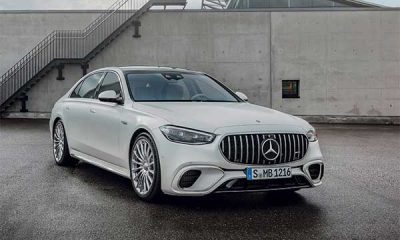
Mercedes-Benz Recalls Over 30,000 S-Class Sedans
-

 Car Theft6 days ago
Man Flees With Stolen Tundra During Test-Drive, Crashes Into Lagos Canal After Damaging Dozens Of Vehicles
-
 News6 days ago
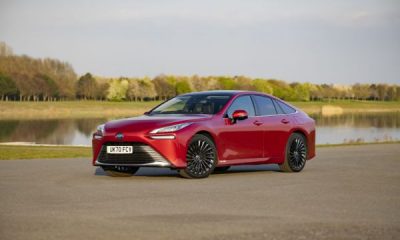
The Toyota Mirai Is Turning Out To Be The Worst Resale Value Car The Company Has Ever Made
-

 Celebrities Auto5 days ago
Lionel Messi Just Ordered Sunreef’s ULTIMA 88 Luxury Yacht, Worth Up To $10.7 Million
-
 News7 days ago
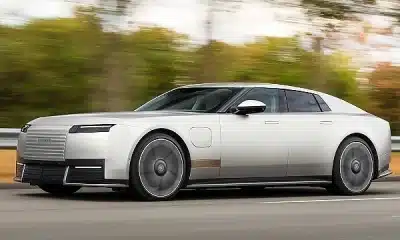
The New Electric Jaguar Type 01 Has Reportedly Received 50,000 Orders
-
 Concept Cars1 week ago
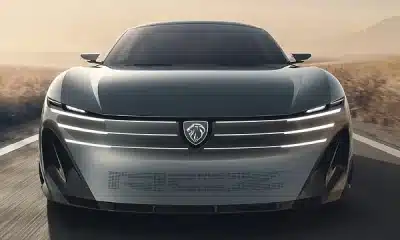
Peugeot RCZ Vision Debuts As 500-HP Electric Sports Coupé With 600 km Range, 10-Minute Charging