
News
Audi’s CEO Believes EVs Are The Future And Supports ICE Ban

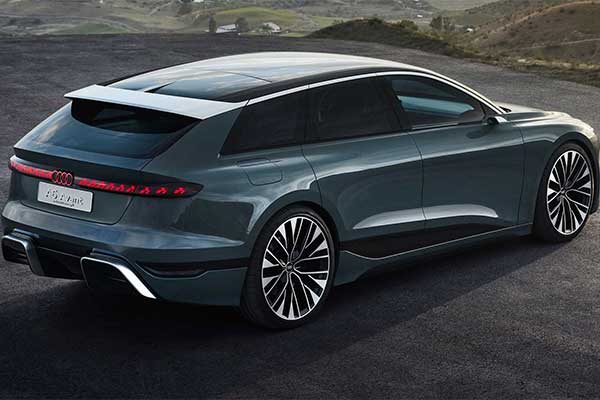
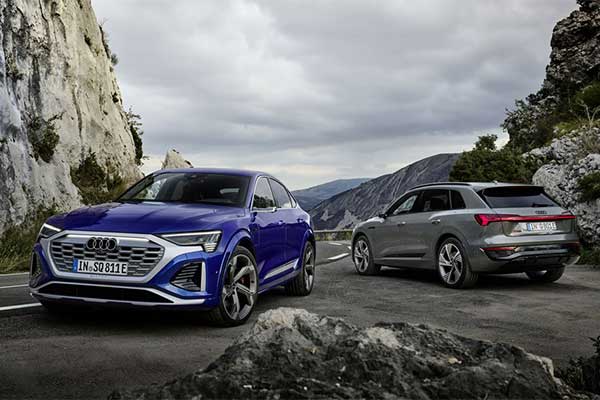
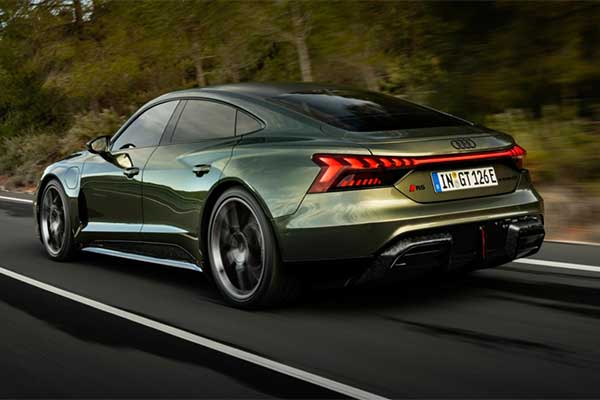
Audi has abandoned its plan to switch entirely to electric vehicles by 2032. CEO Gernot Dolner noted that the company will continue selling combustion engine vehicles for another seven to ten years.
Dolner believes electric vehicles are the only viable future. In an interview with WirtschaftsWoche, he backed the EU’s 2035 ban on new cars with internal combustion engines, calling calls to ease the ban “counterproductive” and noting that shifting attitudes between manufacturers and regulators upset customers.
Unlike BMW and Mercedes, which openly opposed the ban, Audi is positioning itself differently. Dolner insists that electric vehicles are the only real solution for reducing CO₂ emissions in the coming years.
“I don’t know of a better technology than the electric car for progress in reducing CO₂ emissions in traffic in the coming years. But even independently of climate protection, the electric car is simply a better technology,” he stressed.
European Commission President Ursula von der Leyen met last Friday with leading people from the automotive industry to discuss the 2035 deadline. Although the target remains in effect, the planned revision of the legislation has been moved from 2026 to this year, which opens up space for potential changes.
It’s unlikely that classic gasoline cars will be allowed after 2035. A more plausible scenario is the approval of plug-in hybrids and electric vehicles that use an internal combustion engine solely as a generator. This technology, previously used by BMW in the i3, is gaining renewed interest.
Audi’s parent company, the Volkswagen Group, is already developing a new platform (SSP—Scalable Systems Platform) that supports just such a technology—the use of combustion engines as generators. The platform will be available in eight variants for different segments, and it is speculated that Audi could lead its introduction in Europe with the electric A4 model in a few years.
Why did Audi abandon its all-electric future? Despite rising global demand for electric vehicles, the company faced challenges, with electric model deliveries declining by 7.8 percent last year to 164,480 units. These vehicles made up only 9.7 percent of total deliveries, highlighting that the ongoing reliance on internal combustion engines is a long way off.
As part of the Volkswagen Group, Audi offers gasoline, plug-in hybrid, and electric models. Currently, internal combustion engines are the foundation of Audi’s lineup due to their popularity and higher profit margins. Profits from traditional vehicles fund the development of future electric models.







-

 Celebrities Auto5 days ago
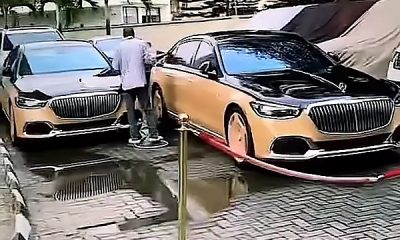
Inside KC Luxury’s Car Collection: From A ₦2.5B Brabus 800 Adventure XLP To Alicia Keys’ Former Maybach
-
 Celebrities Auto3 days ago
Throwback: When KC Luxury Boasted Of Being The Only Person In The World To Own Two Rare Mercedes-Maybachs
-

 News1 week ago
Mansa Fulfills Challenge: TikTok Star Peller Gifted ₦300 Million Mercedes-Benz G-Wagon
-
 News1 week ago
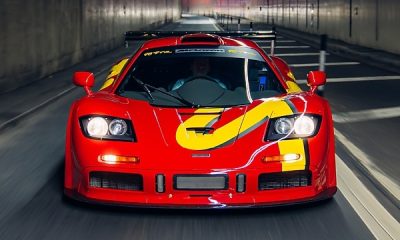
Ultra-Rare, Centre-Driving McLaren F1 GTR Fetches Record $34.6 Million At Auction
-
 News1 week ago
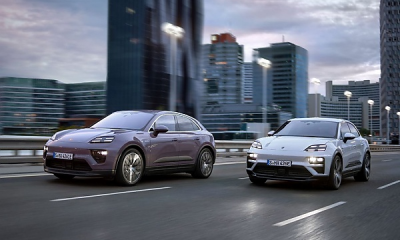
Porsche And Chinese Company Xpeng Collaborate To Lower Average Emissions In Europe
-

 News1 week ago
“Wike Carry ‘Rivers’ Come Abuja”: Citizens React As Flash Floods Submerge Luxury Vehicles
-
 News4 days ago
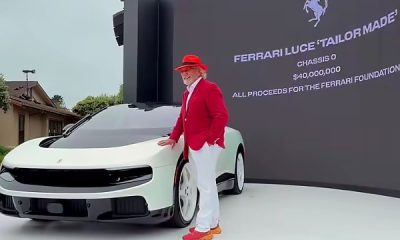
Who Is Herbert Wertheim? The 87-Year-Old Billionaire Who Bought The $40M Ferrari Luce “Chassis 0”
-

 News1 week ago
American Icon Shelby Cobra Daytona Coupe That Beat Ferrari 250 GTO In 1965 Sells For Record $42.9 Million