
Car Facts
Seat Belt Laws 50 Years Down The Road

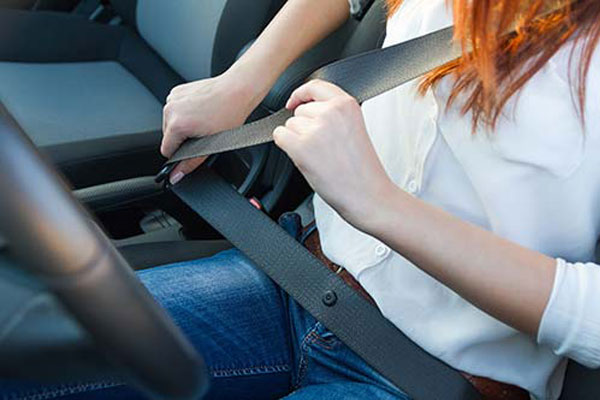
The introduction of mandatory use of seat belts in 1976 caused an outcry among drivers in what was then West Germany. Despite the campaigns, awareness changed within months, and usage rates rose to more than 90 percent within months of the fines being introduced.
From today’s perspective, it is difficult to understand the ideological battle that raged 50 years ago when, on January 1, 1976, the mandatory use of seat belts in the front seats was introduced in West Germany.
In the seventies, most drivers drove without wearing seat belts. Only five percent of drivers used them in 1972. For many, the use of a seat belt represented a restriction of personal freedom. The repulsion was so strong that the psychologists in the 1974 study were exposed to harsh insults from the respondents.
In the early 1970s, only a third of vehicles were equipped with seat belts. From January 1, 1974, new cars in West Germany were required to have seat belts in the front seats. However, almost no one wanted to use this security feature.
Numerous advertising campaigns were launched. “Experts wear seat belts” and “Fasten before driving” were famous slogans. The TV show “With a Belt and Without a Flag” premiered in 1974. The background was a shockingly high death toll—around 20,000 people died on the roads in 1970.
Most drivers remained stubbornly resistant. When seat belts became mandatory on January 1, 1976, many people ignored the rule because there were no penalties. Even in 1979, half of drivers were driving without seat belts. Only in 1984, when a fine of 40 marks was introduced, did the behavior change. The usage rate rose to over 90 percent within months, and the death toll dropped significantly: 8,400 people died in 1985.
However, the real breakthrough happened in Sweden. Nils Ivar Bohlin, a former aeronautical engineer, developed a three-point safety belt for Volvo—a system that “secures both the upper and lower body.” Already in 1959, the first Volvo models were equipped with these belts as standard.
Mercedes-Benz introduced the seat belt pretensioner in 1981. From 1973, all Mercedes models had three-point front seat belts as standard. It was only on July 1, 2004, that seat belts became mandatory in the rear seats in Germany.
Today, the use of seat belts has become commonplace. Seat belt use is now 98 percent.
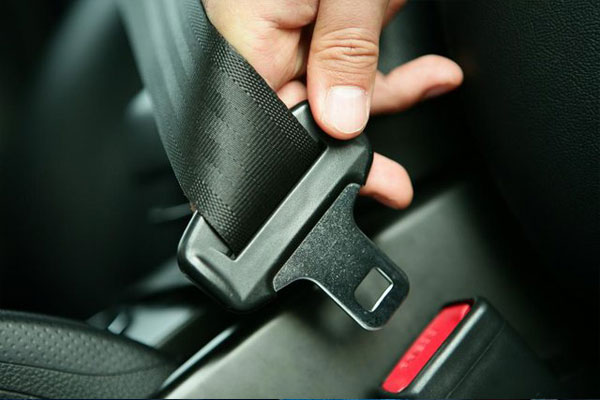

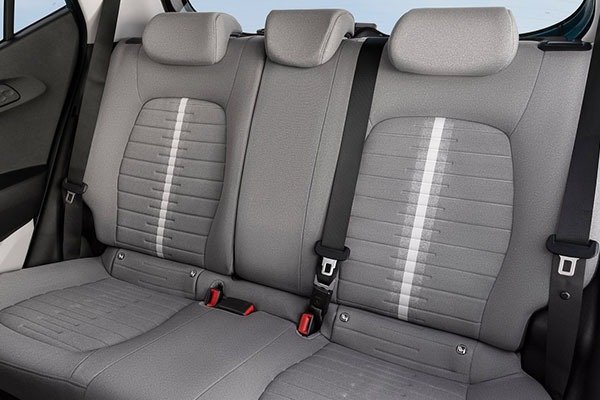
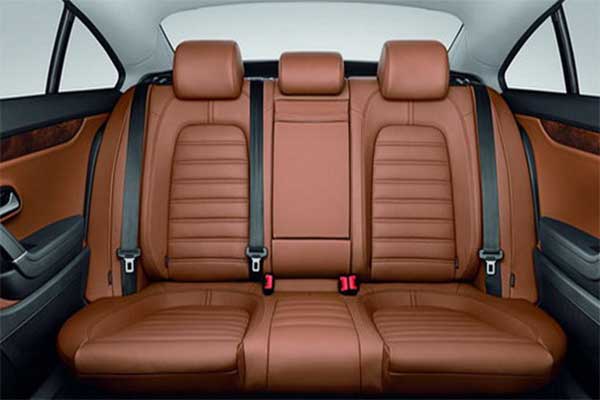
-
Also See: Why It’s A Good Idea To Wear Seat Belts In The Back Seat Even When There Are No Passengers Present












-
 Celebrities Auto1 week ago
Zimbabwe President’s Latest Ride Is Armored Rolls-Royce Cullinan, Joins Maybach S-Class Sedan And SUV
-

 Celebrities Auto1 week ago
Why Burkina Faso’s President Traoré Rejects Luxury SUVs For 2011 Toyota ‘Buffalo’ As Official Car
-

 News1 week ago
₦1.3 Billion Armored Rezvani Vengeance Lands In Nigeria Amid Insecurity, 2027 Elections
-

 News1 week ago
CR7’s $40M Car Collection, Lamborghini Revuelto SV, Xiaomi SkyNomad Series, Genesis GV90, News In August
-

 News3 days ago
Kaduna Governor Unveils 2026 Peugeot 3008 And 5008 SUVs, Urges Govt Patronage
-

 News1 week ago
Ferrari F40: Lewis Hamilton Acquires Childhood Dream Car After Selling Entire $30 Million Car Collection
-

 Auto Sport5 days ago
Italian GP: Lewis Hamilton Turns Heads With His Ferrari F40 — Why His “Dream” Car Is So Special
-

 News1 week ago
Talented Ahmad: Meet 18-Year-Old Nigerian Creator Who Built Drivable G-Class SUV From Scratch