
News
GM Intends To Develop Hummer EVs At A Two-Year Pace

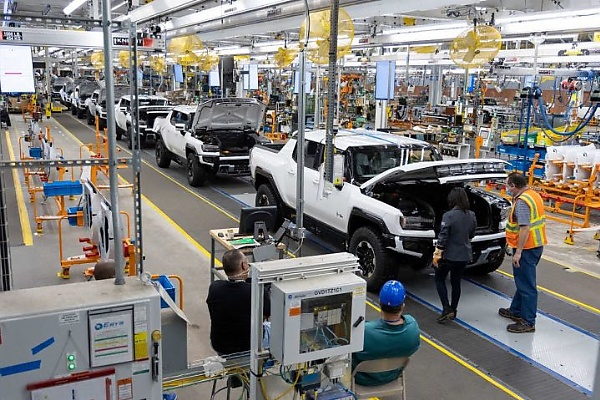
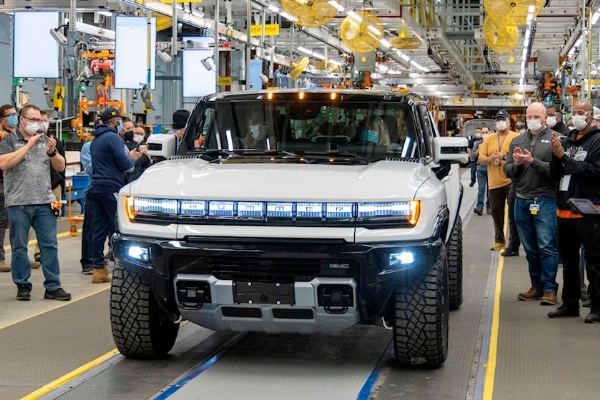
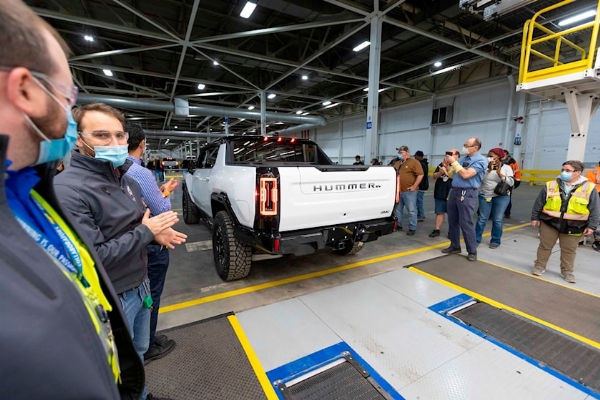
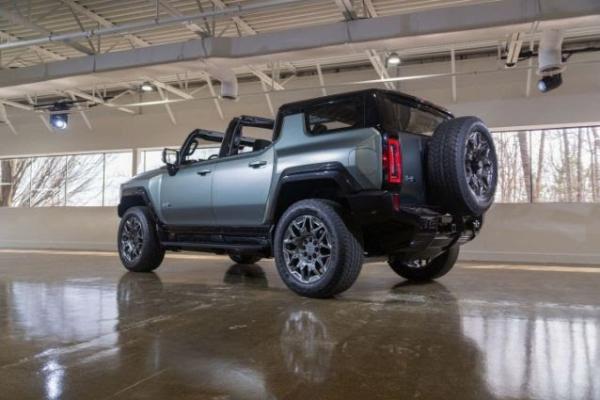
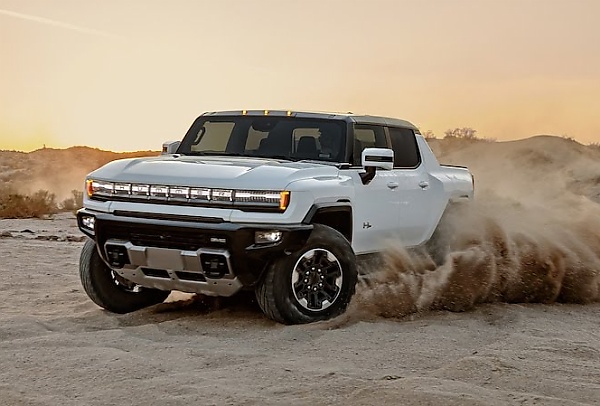
The GMC Hummer EV, which debuted in 2021 as a daring demonstration of EV capability, combined enormous size with oddball amenities like CrabWalk. But as additional electric pickups, such as the Tesla Cybertruck, have been introduced and price sensitivity to EVs has increased, it has been less prominent in today’s discourse. Nonetheless, given that the Hummer EV was finished in just 20 months, General Motors learnt a valuable lesson about the potential for substantially speedier vehicle development.
Compared to the typical four to six-year schedule, that is substantially quicker. As competition heats up and Chinese manufacturers advance swiftly in the global EV industry, a quicker development process is becoming increasingly important. Long development cycles can also become riskier when rules change, such as when the federal EV tax credit is eliminated. This is because vehicles that are still in development may not have enough time to adjust before being released.
In order to achieve a two-year car development process, GM told Business Insider that it is utilising AI, simulation, and decades of engineering data.
The Development Toolkit of the Future
“We want it to be the rule, not an exception,” stated GM Chief Product Officer Sterling Anderson. “The crew performed some Herculean things to make that happen,” he continued. Our entire product development team can now accomplish the same goal without having to do heroics for each car we manufacture thanks to these technologies.
GM is able to develop specialised virtual tools that mimic vehicle behaviour, such as handling, crash performance, cabin cooling, airflow, energy consumption, range, and fuel efficiency, thanks to artificial intelligence. Although the automaker still uses physical prototypes, they are increasingly viewed as confirmation builds rather than the initial point of discovery.
The Chevrolet Corvette’s new rear-hood bracket, which is reportedly 30% stiffer, 20% lighter, and roughly 95% more durable than the previous design, is one outcome of this strategy.
Using Speed As A Competitive Advantage
Faster development methods would enable GM to react to market changes more swiftly, which is crucial given that other manufacturers have committed billions of dollars to EV plans. Demand in the US has also moved in favour of hybrids, rewarding businesses like Toyota that adopted EVs more slowly. Concerns about cost may also spark a resurgence of interest in sedans, a market that GM’s mass-market brand, Chevrolet, does not currently compete in.
This move comes after General Motors said that it is utilising artificial intelligence (AI) to convert hand sketches into car designs, cutting the time from weeks or months to just a few days.








-

 Celebrities Auto1 week ago
Swedish Soccer Icon Zlatan Ibrahimovic Buys $4 Million Ferrari F80 For 45th Birthday (Photos)
-

 News1 week ago
Who Owns Who? World’s Largest Automakers And The Car Brands They Currently Control
-

 Celebrities Auto5 days ago
No Innoson This Year As BBNaija Season 11 Winner Temi Receives ₦60m Hyundai Tucson, ₦90m Cash Prize
-

 News5 days ago
Carloha Goes “The Extra Mile” To Redefine Vehicle Ownership Experience In Nigeria
-
 Car Comparison2 days ago
3-minute Battery Swap Or 5-minute Charging? China’s EV Drivers Face A New Choice
-

 News1 week ago
Porsche Will Fit A Petrol Engine In The Macan Again In 2028
-
 News1 week ago
‘Temu Range Rover’ Jaecoo 7 Tops UK Car Sales In September As Chinese Brands Continue Their Global Rise
-

 Celebrities Auto1 week ago
Cars Owned By Coscharis CEO Cosmas Maduka, From Rolls-Royce And Grenadier To Range Rover


