
Latest Cars
Polestar Precept: A Glimpse Of The Future (Photos)


Polestar reveals the Polestar Precept – a vision of the brand’s future direction and a clear expression of intent. Precept exhibits the execution of new, more sustainable interior materials. It also continued the development of the digital user interface and the essence of Polestar design. The name “Precept” was chosen to emphasize the vehicle’s role in setting out Polestar as an electric performance brand. A precept is a manifesto of things to come; a declaration. The car signifies an important milestone for Polestar as a standalone brand.
The front grille is replaced by the Polestar SmartZone, representing a shift from breathing to seeing. An area that once channeled air to radiators and the internal combustion engine now houses technology for safety sensors and driver assistance functions. Purposefully gathered behind a transparent panel dedicated to intelligent hardware are two radar sensors and a high definition camera. The LIDAR pod, mounted atop the glass roof, is given optimal visibility as the next step towards increased driving assistance. The Thor’s Hammer LED headlight signature evolves with separated elements, taking on a dynamic, more robotic and brand-defining interpretation.
-
See Related Post: New Polestar 1: The 592bhp Hybrid Coupe Electric Performance Hybrid.


Conventional side mirrors are replaced by camera-based units, each of which extends outwards on an aerodynamic arm. Inside, the traditional rear-view mirror is replaced with a digital screen. The image collected by a wide-angle camera mounted at the rear of the car.
Sustainable new interior materials balance modern high-tech luxury with reduced environmental impact. Bcomp’s flax-based composites for interior panels and seatbacks offer significant improvements over conventional materials, including up to 50% saving in weight and up to 80% reduction of plastic waste.
Seat surfaces are 3D-knitted from recycled PET bottles, bolsters and headrests are made from recycled cork vinyl, while carpets are made from reclaimed fishing nets. These elements, combined with digital artistry, define a new premium luxury that surpasses the conventions of leather, wood, and chrome.


The next-generation HMI, powered by Android, builds on Polestar’s close collaboration with Google. An enlarged, portrait-oriented 15-inch center touch screen complements a 12.5-inch driver display, and the two are linked by an illuminated blade that encompasses the entire interior. In this execution, the unique Polestar emblem floats holographically inside a solid piece of Swedish crystal between the rear seat headrests.
Supporting the advancement of a personalized and dynamic digital interface, the instrument panel also hosts an array of smart sensors. Eye-tracking will allow the car to monitor the driver’s gaze and adjust the content of the various screens accordingly. Proximity sensors also enhance the usability of the center display when driving.

-
See Related Post: The Tower : Volvo Launches Four New Trucks By Stacking Them On Top Of Each Other (Photo And Video)









-

 Celebrities Auto6 days ago
Throwback: When KC Luxury Boasted Of Being The Only Person In The World To Own Two Rare Mercedes-Maybachs
-

 Celebrities Auto1 week ago
Inside KC Luxury’s Car Collection: From A ₦2.5B Brabus 800 Adventure XLP To Alicia Keys’ Former Maybach
-

 News3 days ago
Andrew Tate’s Lawyers Claim His Famous Bugatti And Aston Martin Are Rented
-

 News7 days ago
Who Is Herbert Wertheim? The 87-Year-Old Billionaire Who Bought The $40M Ferrari Luce “Chassis 0”
-
 News6 days ago
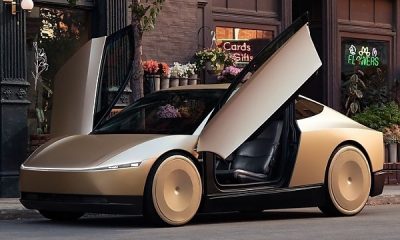
The Tesla Cybercab Has Begun Transporting Passengers In Austin Texas
-

 News1 week ago
RM Sotheby’s Top 10 Best Sellers At Monterey Auction: From $40M Ferrari Luce To $34.65M McLaren F1 GTR
-

 Autoshows & Awards7 days ago
9 Coolest Cars Unveiled At The Quail: From Bugatti Destrier to Lamborghini Revuelto SV
-

 News1 week ago
2027 Mercedes C-Class Facelift Revealed With S-Class Tech & Grille