
News
Robotaxis Causes Traffic Jam Due To Power Outage

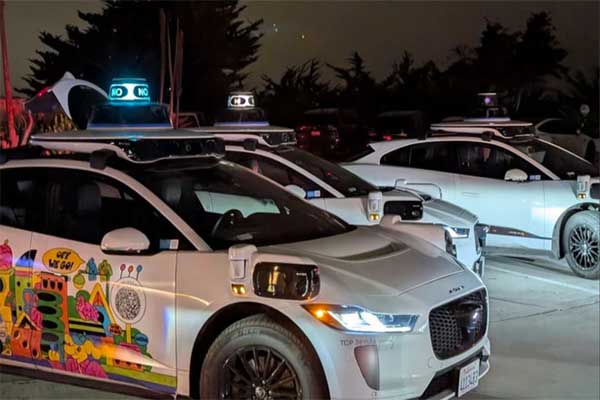
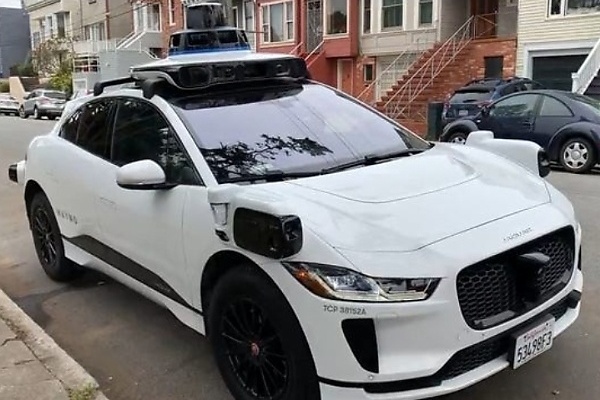
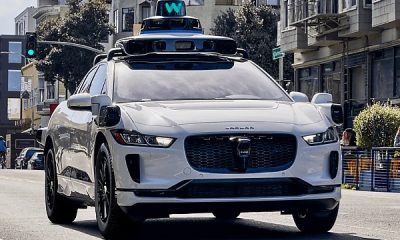
A massive power outage in San Francisco earlier this month brought Waymo robot taxis to a standstill and caused traffic jams, raising the question of whether autonomous vehicle operators are prepared to respond to major emergencies like earthquakes or floods.
Driverless robot taxis from Waymo, a subsidiary of Alphabet, were stuck at intersections with their hazard lights on because traffic lights weren’t working after a fire at a PG&E substation. Because of that incident, on December 20, about a third of the city was left without electricity. Footage posted on social media showed vehicles blocking traffic, prompting Waymo to temporarily suspend operations and resume operations a day later.
The event has reignited calls for tighter regulation of the fast-growing autonomous vehicle industry, as companies like Tesla and Amazon’s Zoox seek to expand robotaxi services to more cities. Waymo said that its vehicles are designed to treat traffic lights that are not working as four-way stops, but that in certain situations, they ask for additional confirmation. Although vehicles successfully passed through more than 7,000 non-functioning traffic lights that day, the surge in confirmation requests led to delays in responses and additional congestion on already busy streets.
Robotaxi operators around the world use remote human control, known as “teleoperation,” to varying degrees, to monitor or steer the vehicles as needed. Waymo, for example, has a team of human operators who help the system when it faces unforeseen situations. However, experts warn that this type of aid has limitations and that it is necessary to clearly regulate its use, especially in the case of major breakdowns or disasters.
The California Department of Motor Vehicles and Public Service Commission said they are investigating the incident and considering additional regulations to ensure remote operators meet high standards of safety, accountability, and responsiveness.
Experts remind that the introduction of fully autonomous vehicles is more difficult than expected, with large investments and strong public reaction after accidents. According to experts, as fleets grow, robotaxi operators would have to go through additional permits and controls to prove they can handle major system failures.









-

 Celebrities Auto1 week ago
₦6B Worth of Supercars: Jeff Forex And Habby Forex Takes Delivery Of Their Lamborghini Aventador SVJs
-
 News1 week ago
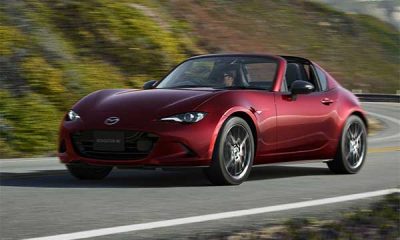
The Mazda MX-5 (Miata) May Become An EV
-
 News1 week ago
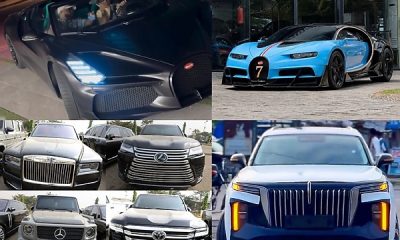
Davido’s Shows Off $5m Mistral, Burna Boy’s Chiron, EFCC Seizes Aisha’s Exotic Cars Worth ₦4.3b, Hongqi E-HS9 Spotted, Nigerian News In July
-

 News1 week ago
The Largest U.S. Recall Of Mercedes-Benz In 2026 Began With A Single Little Component
-
 Celebrities Auto3 days ago
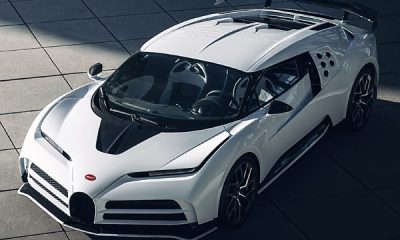
Davido Orders $15 Million One-of-One Custom Mansory Hypercar, Rumored To Be Based On A Bugatti Centodieci
-

 Celebrities Auto3 days ago
A Closer Look At Cristiano Ronaldo’s 9 Rare Hypercars : Chiron, Centodieci, AMG One & Monza SP1
-
 News1 week ago
Full Lists Of Categories Of Vehicles Exempted From Customs Import Duty & VAT, Those Still Taxed
-
 News1 week ago
Through 2027, BMW Will Flood The Market With New Vehicles