
News
Volkswagen Advises Owners To Stop Charging At 80% After Recalling 22,524 ID.4s.

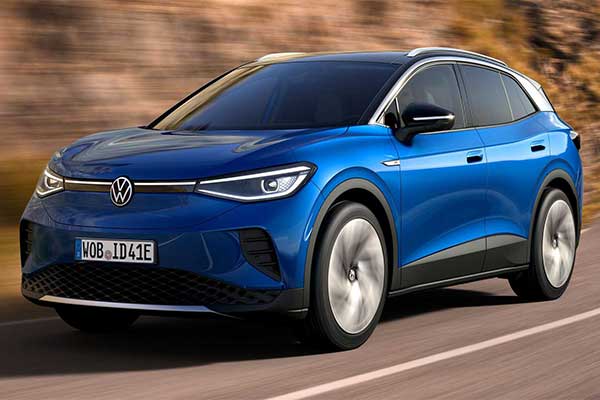
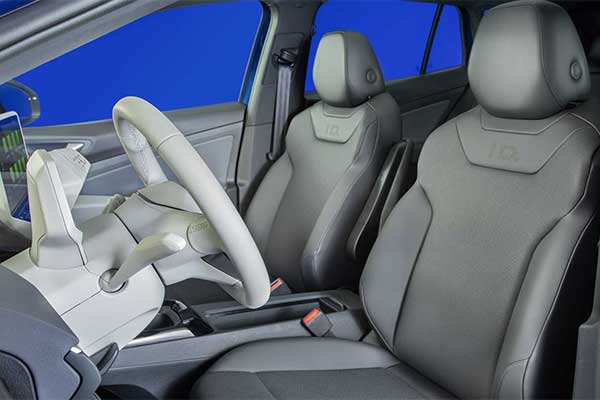
Based on the amended recall report issued by the National Highway Traffic Safety Administration (NHTSA), Volkswagen has yet to determine the root cause of a technical issue that may lead to thermal propagation and potential vehicle fires. Consequently, the manufacturer is recalling 22,524 Volkswagen ID.4 compact crossovers produced between January 1, 2023, and February 1, 2025. As an interim measure, Volkswagen plans to deploy an over-the-air update to limit the vehicle’s charging capacity to 80 percent, as a permanent resolution remains under development.
Volkswagen advises owners to consult their vehicle manuals; however, the manufacturer acknowledges that the risk of fire is primarily associated with specific charging profiles when the state of charge (SoC) exceeds 80 percent. While the company continues to investigate whether the defect stems from charging rates, energy recuperation, or other factors, it has deemed a proactive limitation of the charging capacity necessary. This issue has been a subject of ongoing scrutiny by Volkswagen’s Product Safety Committee, which initiated a formal field study in June of this year.
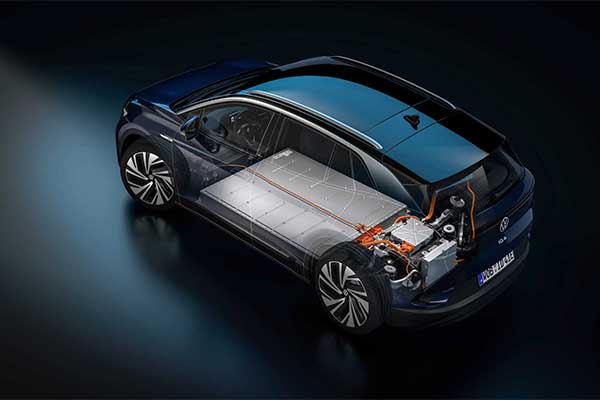
Last month, the committee requested further clarification from its battery cell supplier, SK Battery America Inc., regarding production processes and quality assurance timelines, suggesting that the defect may be linked to specific manufacturing methods. Volkswagen noted that vehicles outside the affected production range contain cells produced outside the suspect batch or possess data confirming usage below the specified risk threshold. Notably, the forthcoming U.S.-spec ID. Tiguan, which features a different battery architecture, is expected to remain unaffected. Owners of the impacted ID.4 models should expect further notification by November 27, though a definitive timeline for a permanent repair has yet to be established.
Last month, the Volkswagen Group Product Safety Committee requested further clarification from its battery cell supplier, SK Battery America Inc., regarding production processes and the potential “clean date” for affected units. This inquiry suggests that Volkswagen suspects the root cause of the issue stems from manufacturing methods. The manufacturer noted that vehicles outside the identified production range contain cells produced outside the suspect batch or possess comprehensive data indicating usage below the specified risk threshold.








-
 Celebrities Auto6 days ago
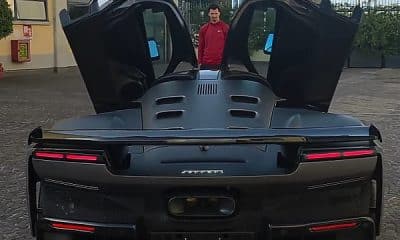
Swedish Soccer Icon Zlatan Ibrahimovic Buys $4 Million Ferrari F80 For 45th Birthday (Photos)
-
 News1 week ago
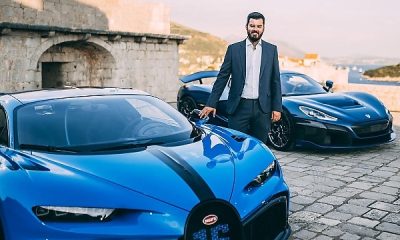
Who Owns Who? World’s Largest Automakers And The Car Brands They Currently Control
-
 News3 days ago
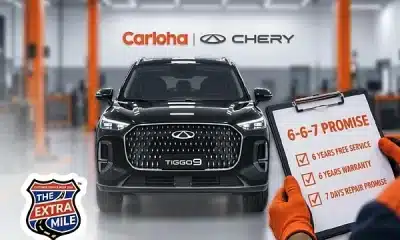
Carloha Goes “The Extra Mile” To Redefine Vehicle Ownership Experience In Nigeria
-

 Celebrities Auto1 week ago
Kizz Daniel Flaunts Car Collection With ₦1.6bn Ferrari Purosangue, Rolls-Royce Cullinan & Mercedes G-Class
-
 Celebrities Auto3 days ago
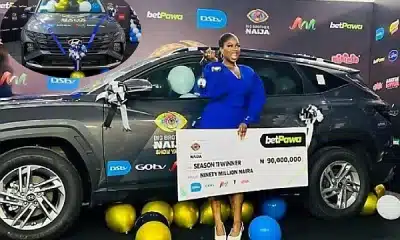
No Innoson This Year As BBNaija Season 11 Winner Temi Receives ₦60m Hyundai Tucson, ₦90m Cash Prize
-
 News7 days ago
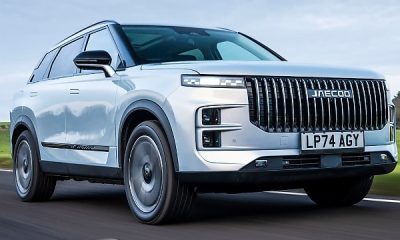
‘Temu Range Rover’ Jaecoo 7 Tops UK Car Sales In September As Chinese Brands Continue Their Global Rise
-

 News6 days ago
Porsche Will Fit A Petrol Engine In The Macan Again In 2028
-
 News1 week ago
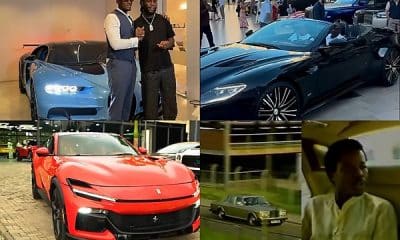
Burna Boy’s Bugatti, Otedola’s Aston Martin, Kizz Daniel’s ₦1.6B Ferrari SUV, Sunny Ade’s Gold Rolls-Royce, Nigerian News In September


