
News
What Job Does The Plastic Cover In Cars Do??

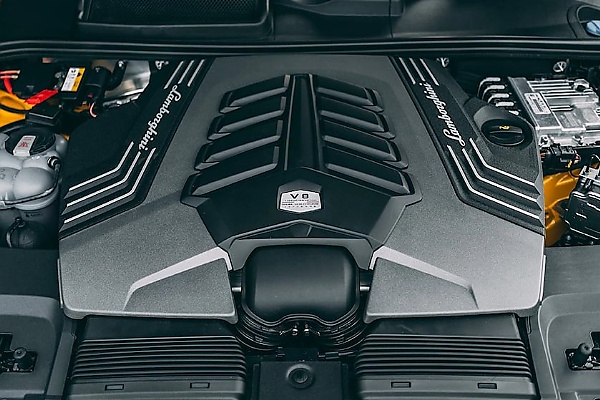
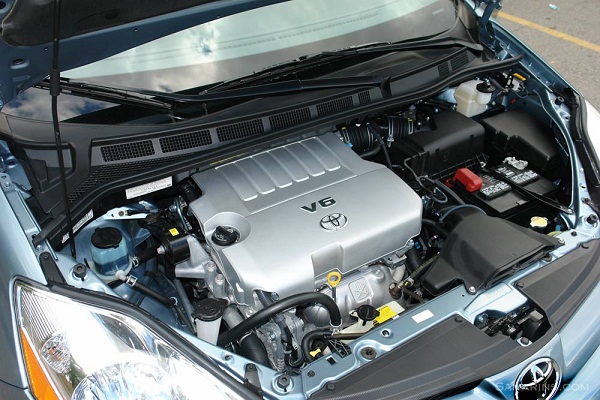
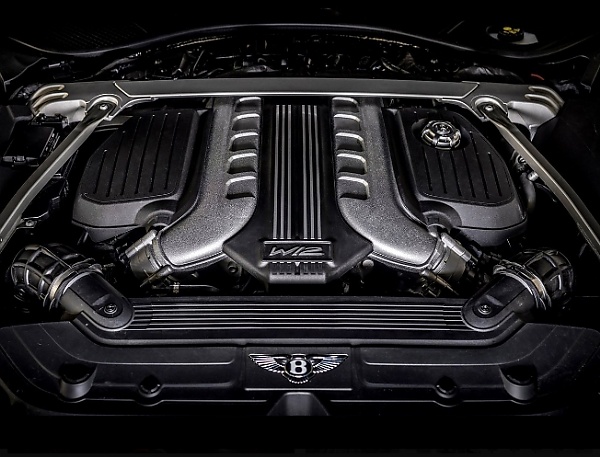
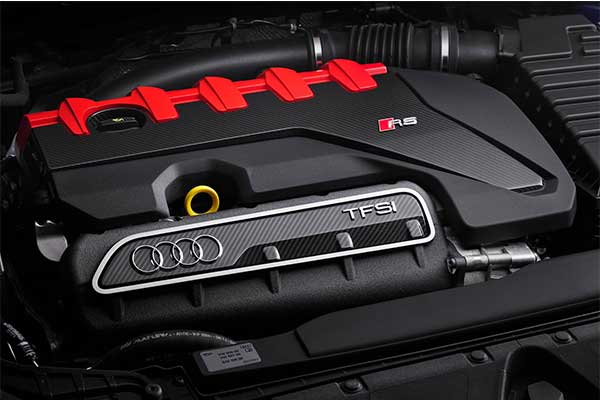
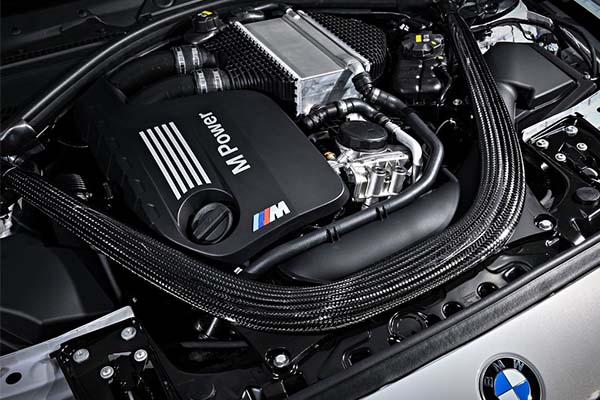
Modern engine bays are often hidden beneath large plastic covers. While they may look decorative, these covers serve important functional roles, including noise reduction, heat management, and component protection.
Latest engines generate significant noise from fuel injectors, pumps, and turbochargers, which often bleeds into the cabin. Engine covers act as acoustic barriers, frequently utilizing foam or specialized materials to absorb vibrations and dampen mechanical sounds. Particularly in diesel and direct-injection engines, these components are essential for noise mitigation, proving that they are far more than just aesthetic covers.
Today’s engines are densely packed with wiring and hoses. Molded covers protect these components from debris, help organize routing, and offer vehicle-specific thermal management. While not universal heat shields, these covers provide essential protection and structure, though their function varies significantly by design.
Engine cover functionality varies by vehicle, ranging from acoustic damping and thermal management to aesthetic styling and component protection. Because these covers often house wiring or insulation, removal may increase noise or interfere with engine bay organization. Their necessity depends entirely on specific engineering requirements, meaning they serve different purposes across different models.
Aesthetics are a big part of engine cover design. Beyond hiding the visual clutter of hoses and wires to create a cleaner, branded look for showrooms, these covers serve important engineering roles. BASF highlights that modern designs prioritize acoustic damping, heat resistance, and even pedestrian protection, proving that a polished appearance doesn’t negate functional necessity.
Recent Reddit discussions highlight that plastic engine covers serve various purposes beyond aesthetics, including noise mitigation, thermal management, and component protection. While some owners debate whether these covers cause heat retention, consensus suggests their function—ranging from sound insulation for fuel injectors to housing air-intake components—varies significantly by vehicle design. Ultimately, these covers are engineered for specific mechanical needs, and removing them may increase engine noise or disrupt intended airflow and protection.
While engines typically run without their plastic covers, removing them is not always risk-free. These covers often provide noise reduction, component protection, and essential thermal management. Since their function varies by vehicle, they should generally remain installed to maintain the manufacturer’s intended acoustic and engineering design.










-

 Celebrities Auto1 week ago
No Innoson This Year As BBNaija Season 11 Winner Temi Receives ₦60m Hyundai Tucson, ₦90m Cash Prize
-

 Celebrities Auto4 days ago
Is OGB Recent’s “Mansory Lamborghini Urus” Genuine? Auto Spotters Raise Questions
-

 News1 week ago
Carloha Goes “The Extra Mile” To Redefine Vehicle Ownership Experience In Nigeria
-

 Car Comparison6 days ago
3-minute Battery Swap Or 5-minute Charging? China’s EV Drivers Face A New Choice
-

 Auto Fun7 days ago
Cadillac F1 Driver Bottas Swaps Short Flight For Epic 420km Bike Ride From Malaysia To Singapore
-

 Latest Cars1 week ago
All-New 2027 Hyundai Tucson Unveiled With Bolder Design, Hybrid Power And New Tech
-

 Latest Cars1 week ago
JLR Unveils 2027 Jaguar Type 01, A 1,016-HP Electric GT With 400-Mile Range, $170,000 Price
-

 News1 week ago
The Next-Generation Mazda BT-50 Is In Development Phase