
Car Facts
According To A Recent Study, EVs Lose Value More Quickly Than Hybrids

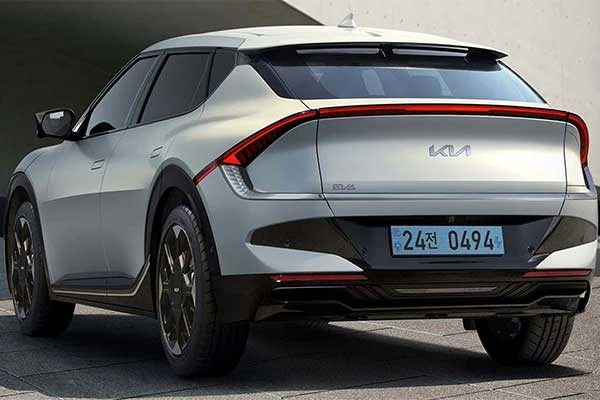
Electric cars lose value much faster than hybrids. According to a new study, an electric model less than two years old retains,, on average, only half its new price, compared to nearly 70% for a hybrid.
Too difficult to resell, with a steep discount, on the used market, electric cars are often blamed for all the evils. And a new study published by the Cox Automotive firm adds a little water to the mill. A few days ago, it published its Manheim Used Vehicle Value Index, an indicator based on prices observed at wholesale auctions in the United States. Values that do not directly reflect prices for an individual but constitute a reference for used car professionals, scrutinized in particular for the evolution of residual value. In August, the overall index shows relative stability in used car prices. But the evolution by segment confirms a striking fact: electric cars depreciate faster than hybrids or thermal cars.
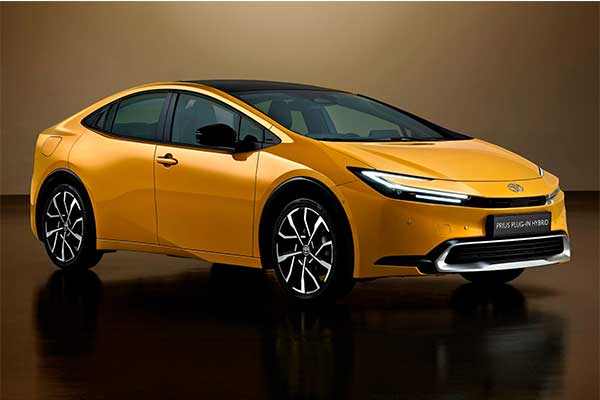
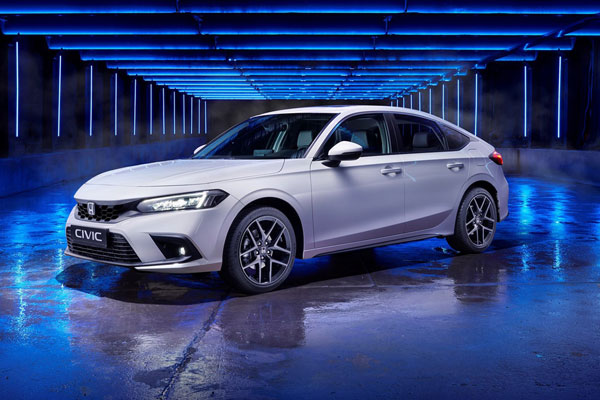
Honda Civic Hybrid
One-off rebound in the USA and underlying trend in Europe
While in the study data, electric vehicles recorded a +4.2% increase in value compared to August 2024, compared to only +0.9% for non-electric vehicles, which can be explained by the imminent end of tax credits in the USA, which artificially supported demand. In the long term, the depreciation of electric vehicles is much stronger. And European data confirms this. In July 2025, according to Cox Automotive Europe, electric vehicles less than two years old retained on average only 49% of their new price, compared to 68% for hybrids. For comparison, in 2022, the two technologies still displayed comparable residual values, close to 90%. The gap has therefore widened by around twenty points in just a few years, with the races having separated since January 2023.
The hybrid, a reassuring compromise
Cheaper to buy and more balanced in terms of running costs, hybrids are emerging as a haven in the used vehicle market. For Philip Nothard, Insight Director at Cox Automotive Europe, this resistance can be explained: “Hybrid vehicles offer an alternative and cost-effective solution for buyers concerned about sustainability but still hesitant about the range or infrastructure constraints of electric vehicles.” A trend that is reflected in sales: since the beginning of the year, registrations of plug-in hybrids have increased by 31.5%, and those of conventional hybrids by 6.5%. The Cox Automotive study, whether it covers the United States or Europe, highlights the same phenomenon. Residual value remains the Achilles heel of the electric vehicle and constitutes one of the obstacles to its adoption, while the hybrid is establishing itself as a more reassuring and more sustainable compromise for the used vehicle market.
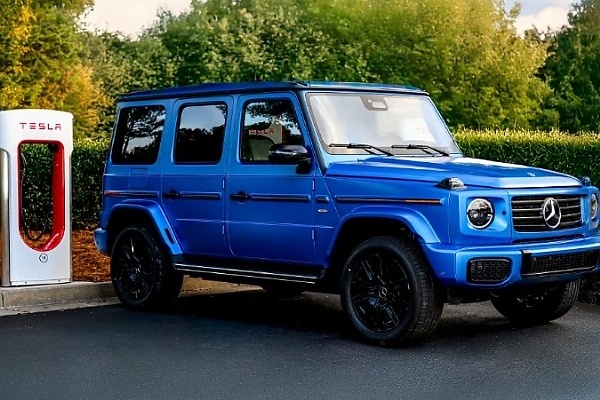

Read More: EVs: The 2035 Goal Is Unachievable At The Current Rate











-

 Celebrities Auto1 week ago
Throwback: When KC Luxury Boasted Of Being The Only Person In The World To Own Two Rare Mercedes-Maybachs
-

 News6 days ago
Andrew Tate’s Lawyers Claim His Famous Bugatti And Aston Martin Are Rented
-

 Car Theft3 days ago
Oyo Police Bust Trans-National Car Theft Syndicate, Recover Stolen Lexus RX 350
-

 News4 days ago
1997 Cadillac DeVille d’Elegance: Why Dolly Parton Donated Her Favorite Car After 10 Years
-
 News1 week ago
The Tesla Cybercab Has Begun Transporting Passengers In Austin Texas
-

 Celebrities Auto4 days ago
Burna Boy Lifts ₦1.6B Ferrari Testarossa Into His 26th Floor Penthouse
-

 News1 day ago
Putin Test-Drives Chinese-Designed Volga K50 Built At Former Volkswagen Plant
-

 News1 week ago
Innoson G80 SUV Steals The Show As Nigerian Army Garrison Commander Visits FCT Police