
News
Nissan For The First Time In Over 30 Years Sold Few Vehicles In Japan

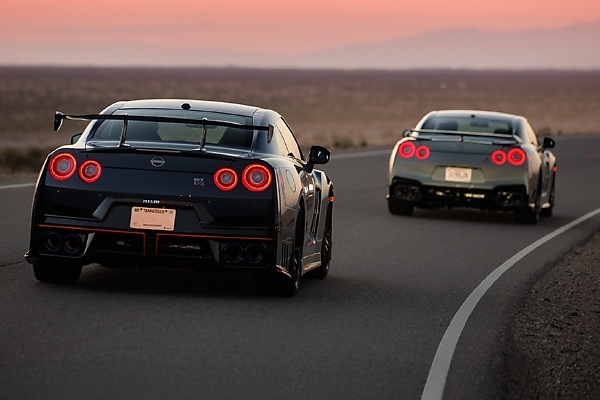
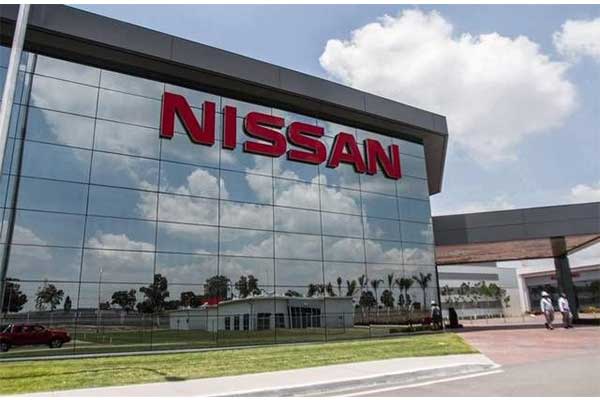
Nissan sold only 403,105 cars in its home country last year, marking the weakest result since 1993, while its market share in Japan fell to less than 10 percent for the first time, according to data from local organisations.
Nissan held a nine percent market share and ranked fifth among Japanese automakers, ahead of Toyota, Suzuki, Honda, and Daihatsu, according to aggregated data from the Japan Automobile Dealers Association (JADA) and the Japan Light Motor Vehicle and Motorcycle Association (JLMVMA).
The decline in sales is the result of a lack of new models, Nikkei Asia believes, and this portal reminds us that before the October release of the updated Roox minivan, Nissan had not presented a completely redesigned model for more than three years.
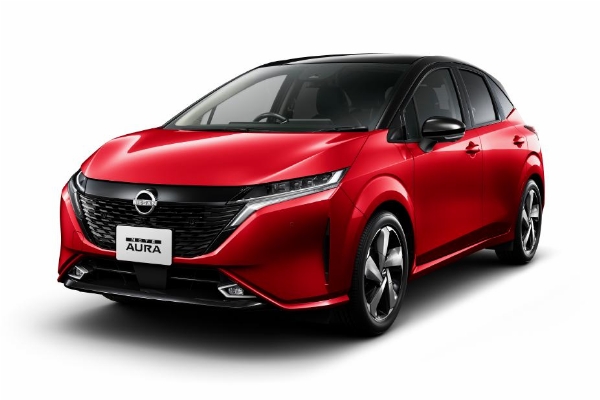
The highly sought-after Nissan Note model hasn’t had a complete redesign since 2021, according to experts.
Nissan lowered its target for the fiscal year from 460,000 to 445,000 cars sold, and sales in the first nine months (April-December) amounted to only 269,768 units, or 61 percent of the target, indicating challenges in achieving the planned results.
The company from Yokohama plans to present a new version of the Leaf electric vehicle this month, and in the summer, the updated Elgrand model, which has not been updated since 2010.
Japan accounts for 14 percent of Nissan’s global sales, so the success of these models will have a significant impact on the company’s recovery.
Total sales of new vehicles in Japan in 2025 rose three percent to about 4.57 million units, the first increase in two years, but the rise was largely due to Daihatsu’s recovery from the fallout from a certification fraud scandal.
For the sixth year in a row, sales are below the level of five million vehicles, which indicates the continuation of the negative trend of weaker demand.







-
 Celebrities Auto1 week ago
Zimbabwe President’s Latest Ride Is Armored Rolls-Royce Cullinan, Joins Maybach S-Class Sedan And SUV
-

 Celebrities Auto1 week ago
Why Burkina Faso’s President Traoré Rejects Luxury SUVs For 2011 Toyota ‘Buffalo’ As Official Car
-
 News1 week ago
CR7’s $40M Car Collection, Lamborghini Revuelto SV, Xiaomi SkyNomad Series, Genesis GV90, News In August
-

 News4 days ago
Kaduna Governor Unveils 2026 Peugeot 3008 And 5008 SUVs, Urges Govt Patronage
-
 Auto Sport6 days ago
Italian GP: Lewis Hamilton Turns Heads With His Ferrari F40 — Why His “Dream” Car Is So Special
-

 News1 week ago
Ferrari F40: Lewis Hamilton Acquires Childhood Dream Car After Selling Entire $30 Million Car Collection
-

 Celebrities Auto7 days ago
Chinese President Xi Jinping’s Impressive Motorcade Turns Heads In Egypt
-

 News1 week ago
Talented Ahmad: Meet 18-Year-Old Nigerian Creator Who Built Drivable G-Class SUV From Scratch