
Car Facts
Is Using A Cell Phone Less Risky Than Utilizing Screens In A Car?

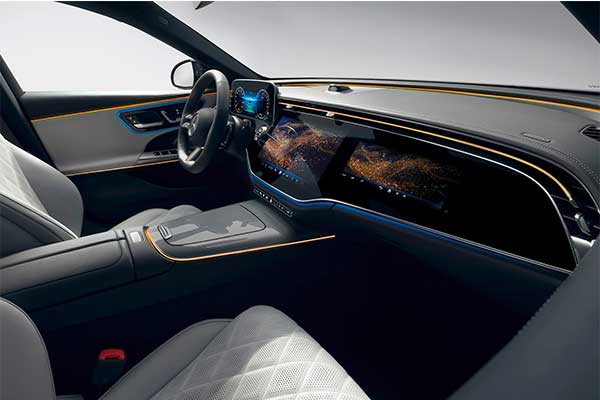
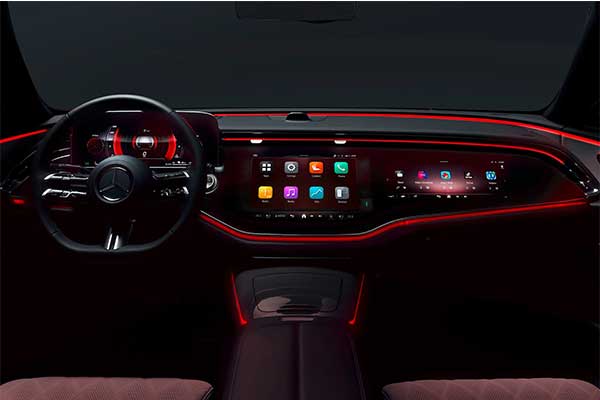
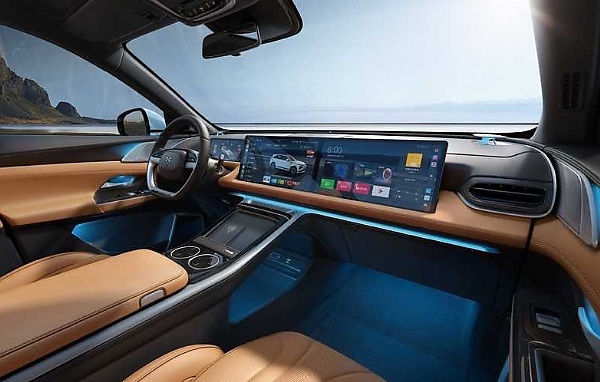
Safety experts are urging automakers to return to traditional dashboards with buttons and switches.
When touch screens appeared in cars, many welcomed this innovation with enthusiasm.
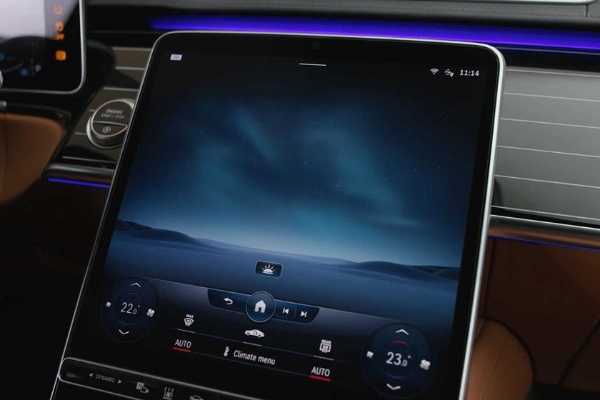
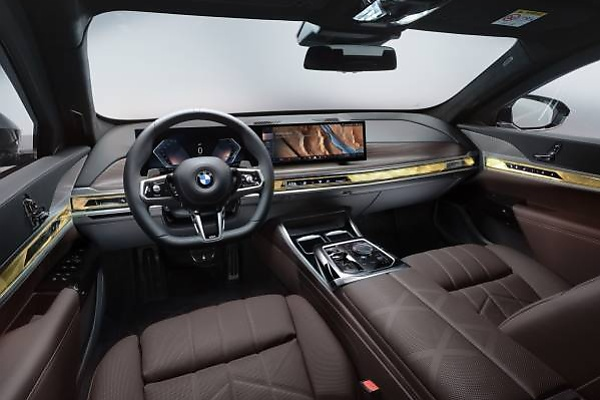
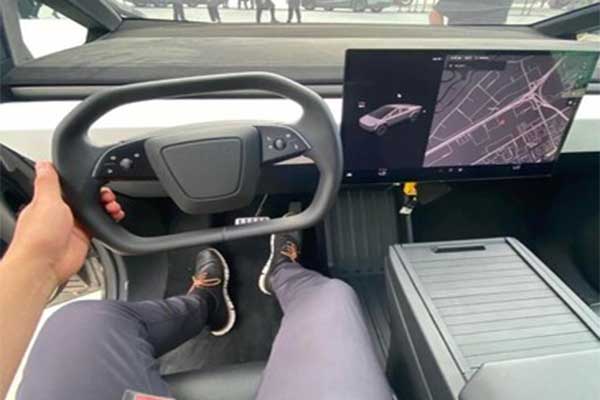
Although these screens were initially intended primarily for navigation, over time they turned into central control consoles, as more and more functions that drivers previously controlled with buttons and switches were moved to the screen, reports N1 Zagreb.
Now it seems that may not have been the best solution, and many experts are already calling for manufacturers to “go back to buttons.” This is especially true for electric car manufacturers.
Greater security risk than using a mobile phone
Experts warn that touching the screen in a car to change music or adjust the heating can be even more risky than using a mobile phone while driving.
According to the Daily Mail, research shows that drivers’ reaction time deteriorates by more than 50 percent when using a touchscreen. This has an even greater negative impact on safety than texting or calling on a cell phone, increasing reaction times by 35 and 46 percent, respectively.
Taking your eyes off the road for too long
Experts warn that using a touch screen causes all three main types of driving distractions:
- visual (taking your eyes off the road),
- manual (removing hands from the steering wheel)
- cognitive (distracting the mind from driving).
Mobile phone use causes similar distractions, but the screen interface often requires the driver to take their eyes off the road for periods that “often exceed safe and acceptable limits,” said Dr. Milad Hagani, a safety expert at the University of Melbourne.
Functions that are not “instant” are a particular problem—for example, if turning on the wipers requires opening a menu first, which further increases the time during which the driver is looking at the screen instead of the road.
2020 research
A 2020 study by independent traffic organization TRL tested drivers while performing common driving tasks on simulated highways.
Two systems were available to drivers: Android Auto and Apple CarPlay.
The tests were conducted in three driving sessions:
- control session (without using the system),
- session with voice control (only voice commands)
- session with screen control (touching the screen only)
Braking reaction times, lane keeping, speed, safety distance, and gaze direction were measured.
The researchers found that drivers who used the touch screen had significantly longer reaction times compared to the control group or the group that used voice control.
Lane keeping and overall driving quality also worsened for drivers using the display. This is especially important when driving at higher speeds, such as driving on the highway, because even a small difference in the time of inattention can mean covering a long distance.
Screens take away muscle memory
Manual controls are significantly less disruptive because they are much easier to use, says Dr. Hagani.
“They indeed require the driver to take their hands off the wheel, but they allow them to keep their eyes on the road and don’t require a long, uninterrupted gaze. Drivers can quickly learn and rely on the muscle memory needed to use buttons and switches,” explains Dr. Hagani, “but screens take that useful ability away from the driver.”
Dr. Hagani doesn’t dispute the usefulness of screens in cars, but only for functions that don’t need to be adjusted by touch while driving.
“There should be physical buttons to perform key functions in cars,” he says.
According to him, this includes managing the temperature, windshield wipers, or radio volume, i.e., functions that are often adjusted while driving.
These functions must be accessible so that the driver can use them without taking their eyes off the road.
“Even if they are included in the on-screen menu, drivers should be able to use them with buttons and switches,” says Dr Hogan.
-
Read More: Seat Belt Laws 50 Years Down The Road







-

 Celebrities Auto1 week ago
Billionaire Gifts Popular Bishop 2026 Rolls-Royce Cullinan And Over ₦370 Million Cash For Fuel
-
 News1 week ago
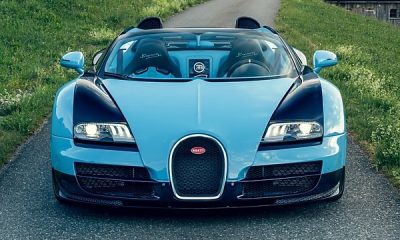
Rare Bugatti Veyron 16.4 Grand Sport Vitesse ‘Jean-Pierre Wimille’ Sells For Record $5.44M
-
 Celebrities Auto1 week ago
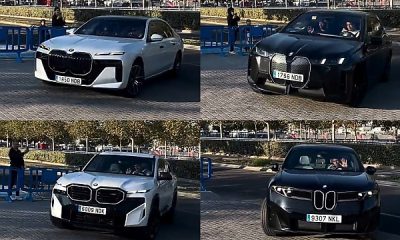
Kylian Mbappé, Real Madrid Stars Spotted Arriving For Training In BMW Cars — See Their Models
-

 News1 week ago
Top Luxury Car Brands 2026: Porsche Leads Brand Finance Ranking For 9th Consecutive Year
-
 News1 week ago
There Will Be Several Variations Of The Lamborghini Temerario, Including Some Surprises
-

 News1 week ago
Tesla Starts Deliveries Of The Semi Trucks After 9 Years
-

 News1 week ago
It’s Not China’s Floating Cars: Moment Raging Floodwater Sweeps Tesla Away In Connecticut
-
 News1 week ago
Suzuki Wants To Cut Car Production Time By Half To Match Chinese Manufacturers


