
News
Mercedes Gives Reasons Why Its EVs Have Controversial Designs

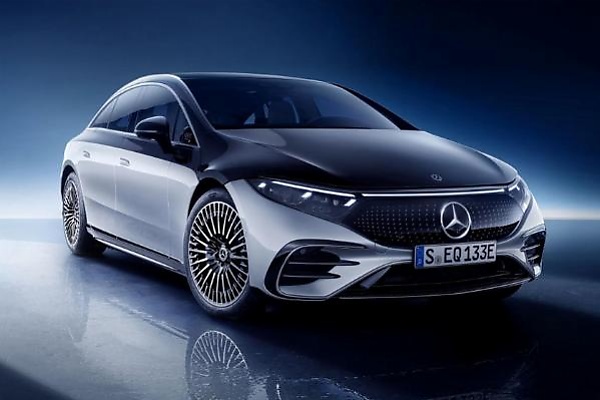
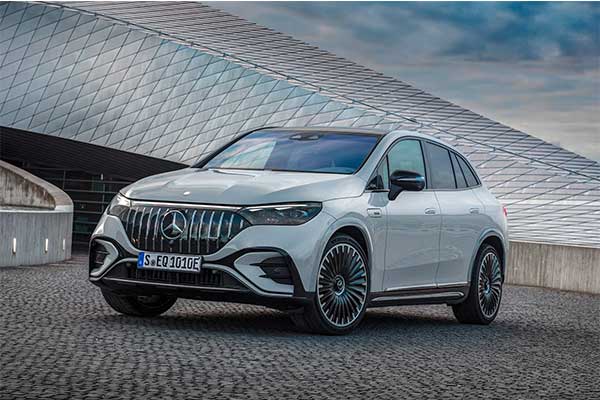
Since its launch in 2021, Mercedes’ EQS model has faced criticism for its design. Many believe the production version lacks the style of the 2019 Vision EQS concept, though some think it looks better in person.
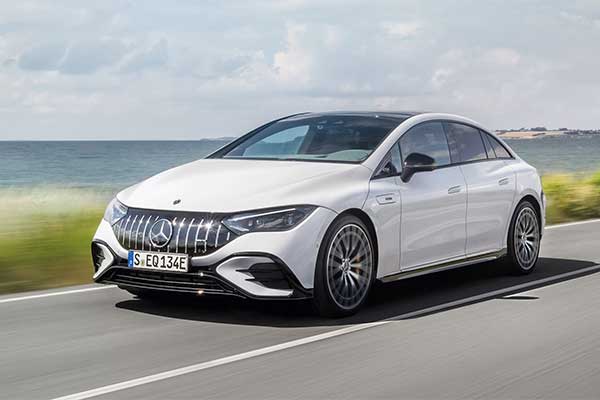
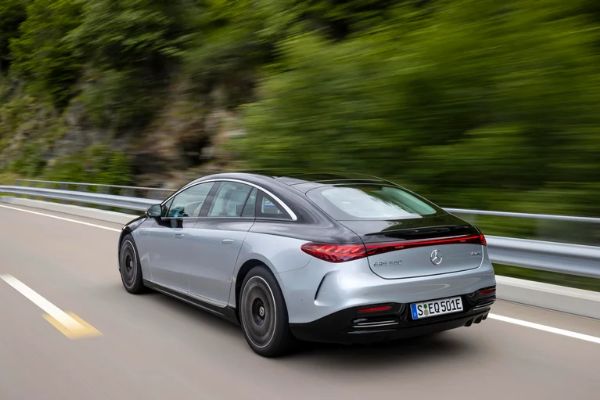
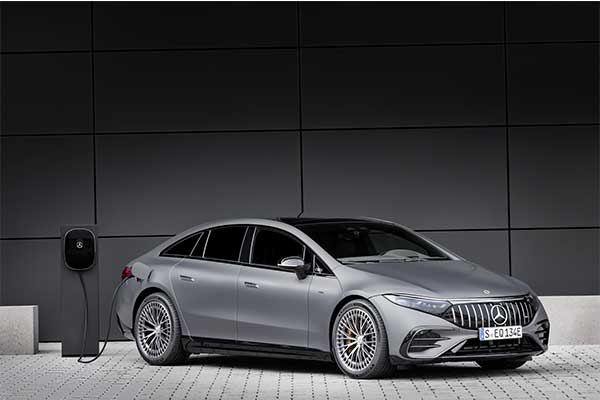
The candy-like design, driven by aerodynamics to achieve maximum range, was also applied to the smaller EQE model, but now Mercedes explains that aerodynamics was not the only reason for this approach.
Markus Schäfer, Mercedes’ Chief Technology Officer, discussed the company’s approach to electric vehicles, highlighting that early buyers wanted cars that stood apart from traditional models with internal combustion engines. In an interview with WhichCar, he defended the aerodynamic designs of the EQS and EQE models.
“Early customers wanted to be different. They wanted to show they were driving an electric car, and now we’re entering mainstream and mass acceptance, and customers don’t want to show they’re driving an EV. They want the same shape, regardless of powertrain,” Schäfer said.
It appears that Mercedes is now adopting the approach that their rival BMW has been applying since the beginning—avoiding a shared design language and introducing only subtle changes to differentiate their electric models from those with internal combustion engines (ICEs). Future electric models like the CLA and EQC will be much closer in design to their gasoline counterparts, and the same goes for the all-electric C-Class arriving next year.
However, while Mercedes is unifying the design, the platforms will remain separate. Schäfer emphasized that sharing the same architecture for different plants creates compromises, which the company wants to avoid. “Fitting both powertrains on the same platform ultimately results in a compromise, and we don’t want to offer compromised cars,” he said.
Gorden Wagener, head of design at Mercedes, describes the style, which many call “egg-shaped”, as “convenient and very progressive”. He believes EQS was ahead of its time and launched “10 years too early”. He also blamed marketing strategy for the lackluster sales, arguing that the car might have attracted more buyers if it had been presented as a “futuristic CLS or S-Class Coupe”.
While the EQS will receive a redesign and remain on sale for a few more years, its smaller sibling, the EQE, will reportedly be phased out in 2026 to make way for the electric E-Class. Ultimately, the plan is to merge the S-Class and EQS lines into one model, which should happen with the next-generation S-Class around 2029 or 2030, which will offer both ICEs and electric powertrains.






-

 Car Theft1 week ago
Man Flees With Stolen Tundra During Test-Drive, Crashes Into Lagos Canal After Damaging Dozens Of Vehicles
-

 Celebrities Auto1 week ago
Lionel Messi Just Ordered Sunreef’s ULTIMA 88 Luxury Yacht, Worth Up To $10.7 Million
-
 News1 week ago
The Toyota Mirai Is Turning Out To Be The Worst Resale Value Car The Company Has Ever Made
-
 News1 week ago
BMW Considers New Flagship SUV To Sit Above The X7, Specifically For US Market
-

 News6 days ago
OMODA & JAECOO Strengthen European Presence, Record 73,421 Global Sales
-
 News1 week ago
Alfa Romeo Cuorerosso Concept Debuts With 2+2 Coupé Design, 2.9L V6 Full-Hybrid Powertrain
-
 News1 week ago
Tesla Unveils Flying Roadster With SpaceX Thrusters, Claims 0–60 MPH In Under One Second
-
 Latest Cars1 week ago
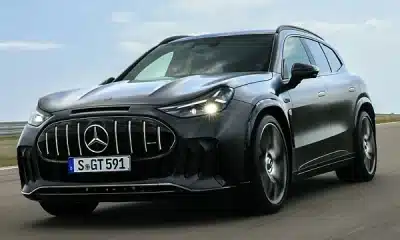
Mercedes-AMG Unveils All-new GT, A 1,169-hp Electric SUV With Sports Car DNA