
News
Ferrari Boss: Physical Buttons Are Very Expensive


Touch controls are 50% cheaper, but Ferrari admits the mistake and is returning the classic buttons to new and existing models.
Ferrari openly admits what many drivers have claimed for a long time: touch buttons in cars may look modern, but they are not the best solution for everyday driving. Moreover, as stated by CEO Benedeto Vinja, their main advantage is in fact the lower cost of production.
In an interview with Autocar India, Vinja pointed out that touch controls are about 50 percent cheaper to manufacture compared to classic physical buttons. In other words, it is a solution that suits suppliers and manufacturers more than the users themselves.
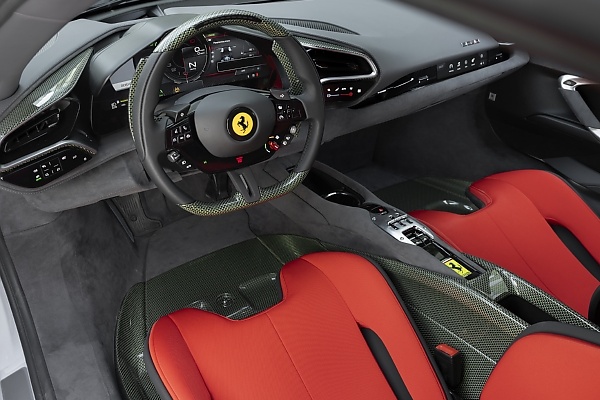
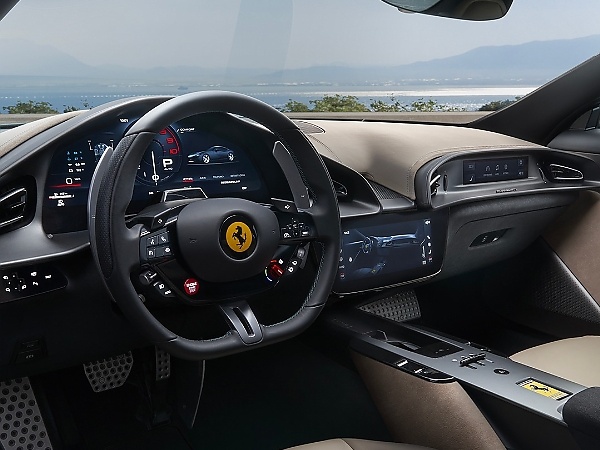
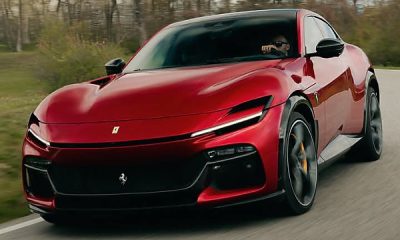
Despite this, Ferrari is now changing direction. The Italian manufacturer even offers a retrofit solution for existing models such as the Ferrari Purosangue and Ferrari 12Cilindri, which replaces the touch buttons on the steering wheel with classic mechanical controls. With that, Ferrari admits that the previous solutions were not optimal.
The new models with the label of the propeto horse already bring more physical buttons than the previous generations. Examples are the Ferrari Testarossa and the Ferrari Amalfi, where the manufacturer returns to a more traditional approach to interior design, with an emphasis on tactile feel and intuitive use.
Vigna points out that Ferrari wants to avoid the uniformity that is increasingly present in modern cars, where interiors often resemble consumer electronics. The return to physical keys allows the brand to maintain a recognizable identity and offer a unique user experience.
This approach will be particularly evident in the announced Ferrari Luce model, the first fully electric Ferrari. The interior of that model is being developed in cooperation with LoveFrom, a creative studio founded by Jony Ive, the former chief designer of Apple.
The Luce will combine digital and analogue elements, but with a clear emphasis on physical controls—including separate buttons for climate control and other key functions, rather than hiding them in the infotainment system. Such an approach means higher development and production costs, which will be expected to be reflected in the price of the vehicle, which is estimated to exceed $500,000.
Ferrari thus sends a clear message: although touch controls Ferrari’s boss, the cost of physical keys is higher, they are cheaper, and the driving experience and brand identity are of greater value.










-

 Celebrities Auto1 week ago
Afrobeats Star Kizz Daniel Splashes ₦1.6 Billion On Brand New 2026 Ferrari Purosangue SUV
-

 News1 week ago
Top Auto News Last Week: Uber Exits Nigeria, Launches UK Robotaxi, Tesla Debuts Steering-Wheel-Free Cybercab, Kaduna Gov Unveils 2026 Peugeot 3008 And 5008
-
 Celebrities Auto1 week ago
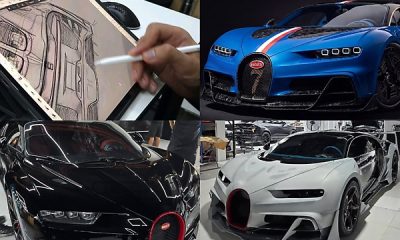
Burna Boy’s ₦9 Billion Bugatti Chiron VXX: The Making By Venuum
-

 Car Theft2 days ago
Fear Of Theft: Indian Man Hires Crane To Park New Mahindra SUV On Rooftop Before Traveling To Israel
-
 News5 days ago
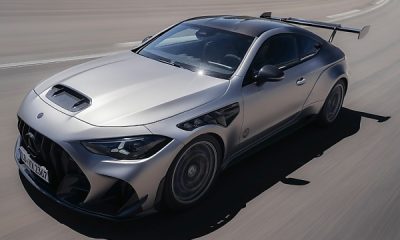
Mercedes-AMG CLE 646 Spezialanfertigung: Sold-Out 646-HP Collector’s Item Limited To Just 30 Units
-

 Auto Sport1 week ago
New Mercedes-Benz S-Class “140 Years. 140 Places” Global Tour Reaches Africa As Nigeria Misses Out
-

 Business6 days ago
Mate Rimac Becomes Bugatti President Following Porsche’s Exit
-

 Celebrities Auto5 days ago
Is This Asake’s New Ride? Inside the 1,001-HP Lamborghini Revuelto Venuum Voltoro V1 Spotted With Giran Republic Branding