
News
Mercedes-Benz Discontinues Its Legendary V12 Engine In Europe

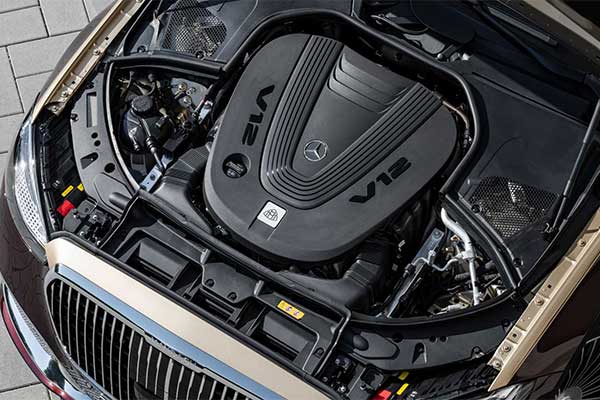
Long speculated, and now it’s official, Mercedes-Benz is discontinuing the V12 engine in the European market. The legendary 6.0 liter M279 biturbo unit is going down in history, and the reason is clear: increasingly strict environmental regulations and the arrival of the Euro 7 standard.
This leaves Europe and markets that follow European homologation standards without the biggest engine that Mercedes offers. This includes markets such as India. In other words, the V12 is being phased out in much of the world.
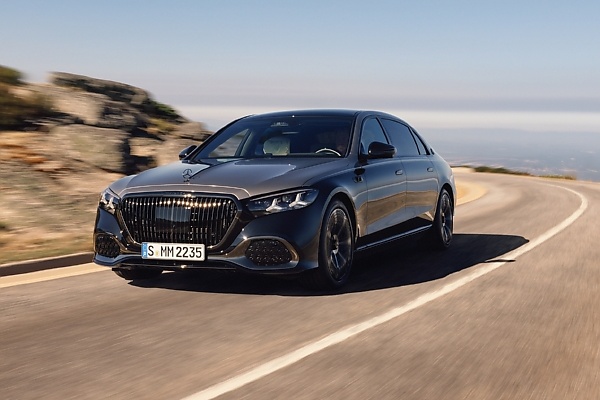
Instead, the role of the top of the range is taken over by a modernized V8 engine. Although it seems like a step back, the numbers say otherwise: it’s an engine that develops 608 hp, on par with the previous V12. Mercedes claims that the new powertrain offers the same level of performance and comfort that customers expect from the Mercedes-Maybach S680.
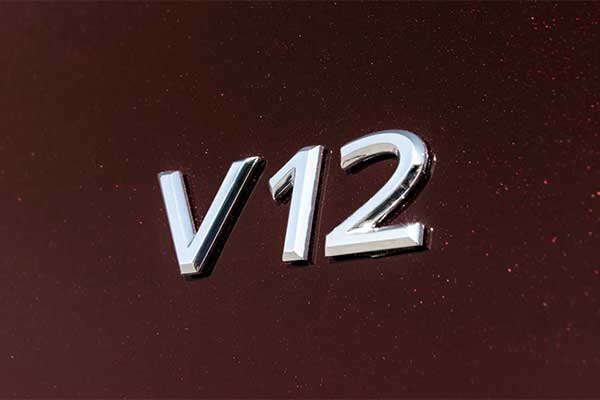
But the V12 isn’t completely gone yet. It remains in key markets where demand for such engines still exists, primarily in China, the United States of America, and the Middle East. Interestingly, the S680 badge will remain in use globally, although there will be different engines under the hood, depending on the market.
In the US, the V12 will still have the upper hand, with 630 hp and 900 Nm of torque, slightly more than the V8 alternative. But besides the numbers themselves, the status is also important. Twelve cylinders have symbolized the pinnacle of luxury and prestige for decades, something that even the most advanced V8 cannot completely replace.
There are fewer and fewer of such engines anyway. Bentley has already said goodbye to the W12 in the Flying Spur model; BMW has discontinued the V12 in the 7 Series, and Audi and Volkswagen have long since closed that chapter. Today, the V12 practically only lives on in models like Rolls-Royce and various sports cars, where it still makes sense as part of a luxury or sports identity.
For Mercedes, the decision is actually logical. Developing a hybrid V12 would be extremely expensive and technically complex, and demand would be limited. In the era of electrification, such an investment would be difficult to justify.









-
 Celebrities Auto5 days ago
Swedish Soccer Icon Zlatan Ibrahimovic Buys $4 Million Ferrari F80 For 45th Birthday (Photos)
-
 News1 week ago
Tesla Delays The Second-Generation Roadster By 2 Weeks
-
 News6 days ago
Who Owns Who? World’s Largest Automakers And The Car Brands They Currently Control
-
 News1 week ago
Uber CEO Tests Driverless Verne Robotaxi Ahead Of Steering-Wheel-Free Global Rollout
-
 Celebrities Auto1 week ago
Kizz Daniel Flaunts Car Collection With ₦1.6bn Ferrari Purosangue, Rolls-Royce Cullinan & Mercedes G-Class
-
 News1 day ago
Carloha Goes “The Extra Mile” To Redefine Vehicle Ownership Experience In Nigeria
-

 News1 week ago
Korope Bus Driver Pleads For Mercy After Crashing Into ₦450M Lamborghini Urus In Lagos
-

 News4 days ago
Porsche Will Fit A Petrol Engine In The Macan Again In 2028


