





News
BMW Will Start Testing Fleet Of Hydrogen-powered iX5 SUVs At The End Of Year


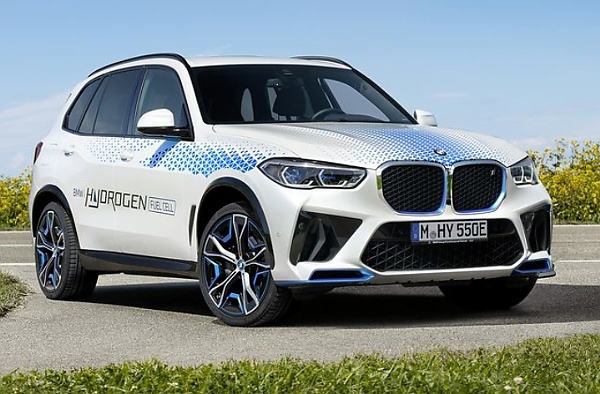
BMW will start testing fleets of eco-friendly Hydrogen-powered iX5 SUVs at the end of year.
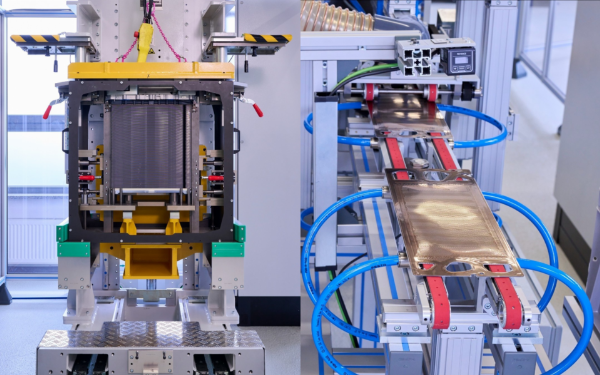
German autogiant says it has begun in-house production of fuel cell systems that will be used in the iX5 SUV.
BMW iX5 Hydrogen combines fuel cell tech with a fifth-gen BMW eDrive and a high-performance battery.
The technology delivers a system output of 275 kW/374 horsepower and water vapour as the only emission.
Filling up the hydrogen tanks only takes 3 to 4 minutes, so the BMW iX5 can be used for long distances.
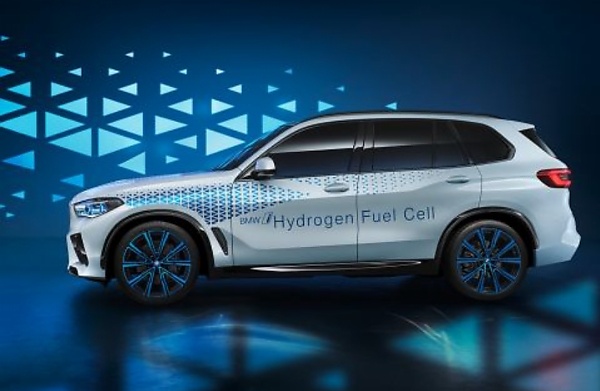

German autogiant, BMW Group, has begun in-house production of fuel cell systems that will be used on fleets of iX5 Hydrogen SUV as it moves closer to start testing trials before the end of the year.
BMW said that the small fleet of hydrogen-powered SUVs or SAVs – Sports Activity Vehicles as it prefers to call it – will be produced and used worldwide for testing and demonstration purposes.

The BMW iX5 Hydrogen combines fuel cell technology with a fifth-generation BMW eDrive and a high-performance battery, delivering a system output of 275 kW/374 hp and water vapour as the only emission.
To develop the small series iX5 Hydrogen, the development team integrated the powerful drive system – which consists of two hydrogen tanks, the fuel cell, and the electric engine – into the existing architecture of the BMW X5.
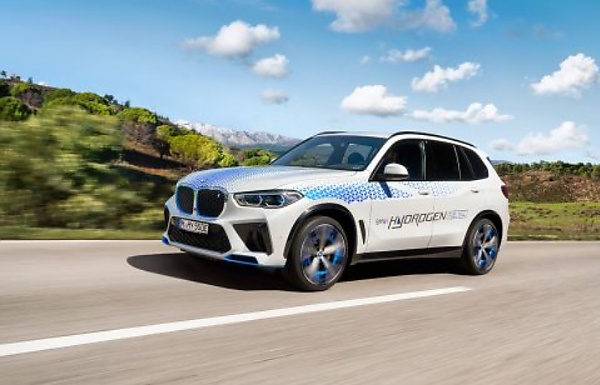

“As a versatile energy source, hydrogen has a key role to play on the road to climate neutrality. And it will also gain substantially in importance as far as personal mobility is concerned.
“We think #hydrogen-powered vehicles are ideally placed technologically to fit alongside battery-electric vehicles and complete the electric mobility picture,” said Oliver Zipse, Chairman of the Board of Management of BMW AG.
“By commencing small-scale production of fuel cells today, we are demonstrating the technical maturity of this type of drive system and underscoring its potential for the future.”
“Our many years of research and development work have enabled us to get the very most out of hydrogen technology,” added Frank Weber, Member of the Board of Management of BMW AG, Development.
“We have managed to more than double the fuel cell’s continuous output in the second-generation fuel cell in the #BMW iX5 Hydrogen, while weight and size have both decreased drastically.”
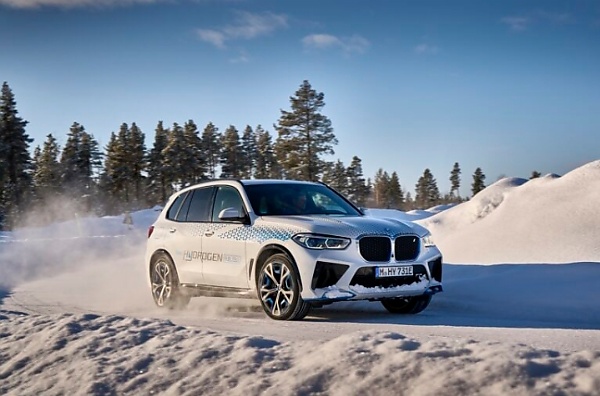

While BMW has developed some components for the fuel-cell systems, Japanese automaker, Toyota Motor Corporation, will provide the fuel cells that will be used in the iX5.
The hydrogen needed to supply the fuel cell is stored in two 700-bar tanks made of carbon-fibre reinforced plastic (CFRP). BMW said filling up the hydrogen tanks only takes three to four minutes, so there are no limits on using the BMW iX5 Hydrogen for long distances.








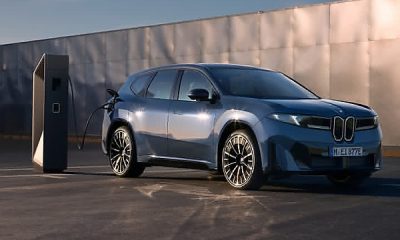

-
 News5 days ago
The 2027 GMC Sierra And Chevy Silverado Could Get Bigger, More Powerful V8s
-
 Auto Sport1 week ago
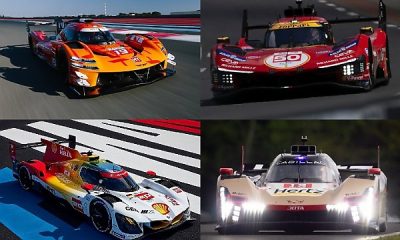
Le Mans Hypercar Class : Here Are The Race Cars Being Fielded By Top Manufacturers Like Ferrari, Cadillac And Toyota
-
 News4 days ago
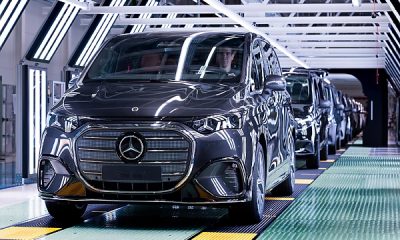
Mercedes-Benz Begins Production Of The All-new VLE – Its Grand Limousine With 8 Seats, 700-km Electric Range
-
 Car Facts1 week ago
Which Vehicle Will Reach 400,000 Km Miles? Toyota Leads, Tesla A Surprise
-
 Auto Sport1 week ago
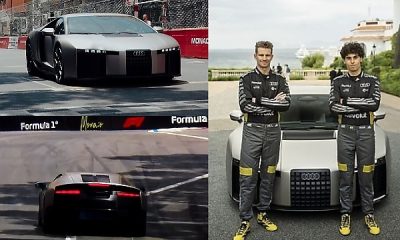
Audi F1’s Drivers Test Drove 1,001-hp Nuvolari Supercar Around The Monaco Grand Prix Circuit
-
 News1 week ago
Mazda MX-5 To Get A Slight Bump In Power For The 2027 Model Year
-

 News1 week ago
Honda Intends To Give The 2027 Passport A “More Masculine” Appearance
-
 News1 week ago
Nissan Says Its Not Quitting Its V6 Engines