
News
Here’s Why Over 50,000 Brand-New Tesla Vehicles Are Collecting Dust In The Lot

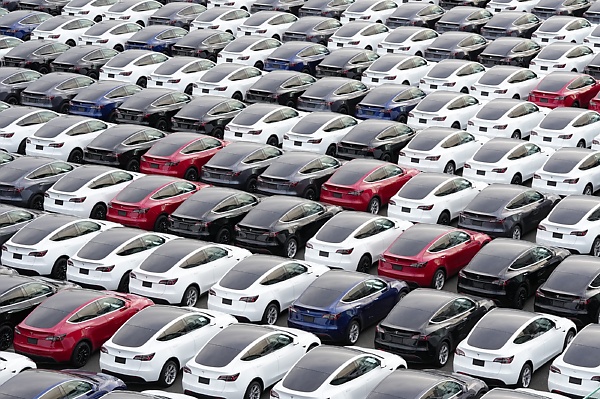
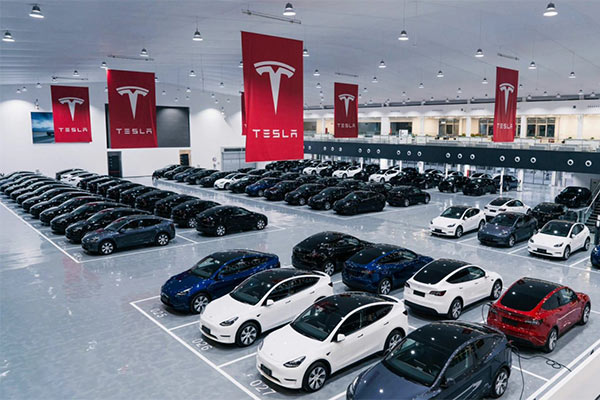
Elon Musk’s empire is facing a problem that was unimaginable until yesterday: thousands of parked Tesla cars are gathering dust on the lots of dealerships, while there are simply no customers. For the first time in its history, Tesla is not scrambling to ramp up production to satisfy a hungry market but is desperately looking for a way out for the “mountain of cars” that no one wants.
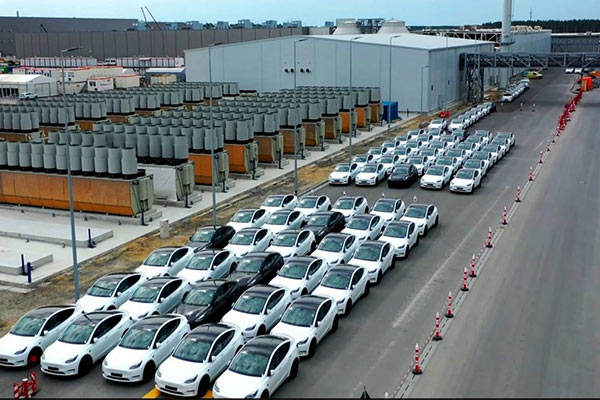
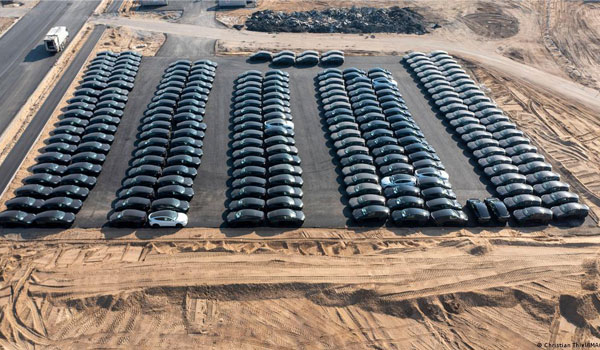
With more than 50,000 units in the parking lot and demand dropping to worrying levels, the American giant has hit a wall of reality that even aggressive price cuts can’t break. What was once an endless waiting list is now gray warehouses filled with technology that has been overtaken by time or competition. The figures from the first quarter of 2026 clearly show a big gap in the company of the richest man in the world. Tesla reported the production of 408,386 vehicles, but deliveries “slowed down” to 358,023 units.
From shopping lines to crowded parking lots
This difference, which exceeds 12% of total production, represents the largest excess inventory since Musk took the helm. For a brand that has operated on a “make-to-order” model for decades, this backlog is a huge logistical and financial nightmare. Analysts agree: this is a dangerous disconnect between the ambitions of leaders and the real appetite of the market.
Three reasons why Teslas no longer “sell themselves”
End of tax breaks: The state has turned off the faucet. In key markets like the US, the disappearance of benefits raised the price, and buyers became rational overnight.
Outdated design: The Model 3 and Model Y are still pillars of the brand, but visually, they’re starting to show the signs of time. The competition renews the range every six months, while Tesla offers the same look for years.
Chinese offensive: Asian giants, especially BYD, have flooded the market with alternatives that are cheaper, more technologically advanced and, hands down, of better quality. The exclusivity of Tesla has melted away.
This cooling is not exclusively related to the mask. The electric car market has entered a phase where the customer is no longer just a technological enthusiast but a practical user who counts every euro. The infrastructure, the drop in second-hand values, and the high starting price made people think twice before pressing the “order” button. As Elon Musk tries to draw the public’s attention to promises of fully autonomous driving (FSD) and futuristic robotaxis, the raw business results depend on what comes out of the factories. The current challenge is not just software but proving that Tesla can survive in the real world of retail, where no one buys on “name.”
Has Tesla’s exponential growth peaked? Those 50,000 parked cars are silent witnesses to a crisis that could change the map of the auto industry. Musk will have to offer something much stronger than tweets and promises if he hopes to rekindle relations with a skeptical audience that seems to have found new favorites.








-
 Celebrities Auto6 days ago
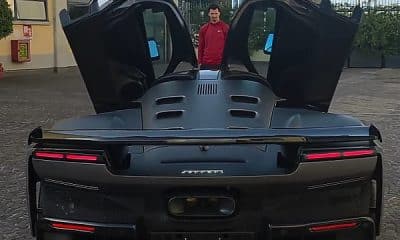
Swedish Soccer Icon Zlatan Ibrahimovic Buys $4 Million Ferrari F80 For 45th Birthday (Photos)
-
 News1 week ago
Who Owns Who? World’s Largest Automakers And The Car Brands They Currently Control
-
 News3 days ago
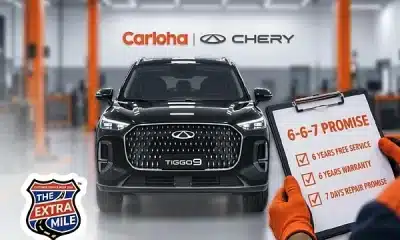
Carloha Goes “The Extra Mile” To Redefine Vehicle Ownership Experience In Nigeria
-
 Celebrities Auto1 week ago
Kizz Daniel Flaunts Car Collection With ₦1.6bn Ferrari Purosangue, Rolls-Royce Cullinan & Mercedes G-Class
-

 News1 week ago
Korope Bus Driver Pleads For Mercy After Crashing Into ₦450M Lamborghini Urus In Lagos
-

 News6 days ago
Porsche Will Fit A Petrol Engine In The Macan Again In 2028
-
 News6 days ago
‘Temu Range Rover’ Jaecoo 7 Tops UK Car Sales In September As Chinese Brands Continue Their Global Rise
-
 Celebrities Auto3 days ago
No Innoson This Year As BBNaija Season 11 Winner Temi Receives ₦60m Hyundai Tucson, ₦90m Cash Prize


