
News
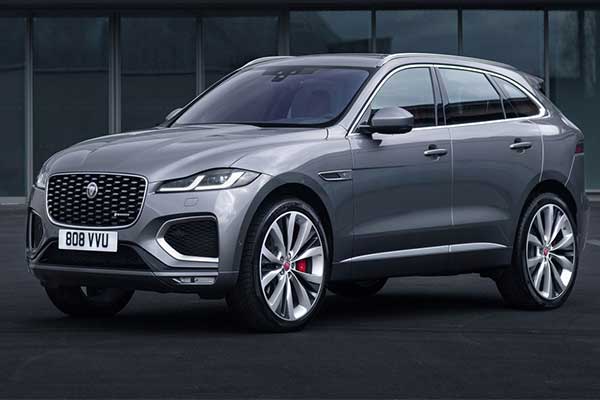
Jaguar Is Still Thriving A Little In China

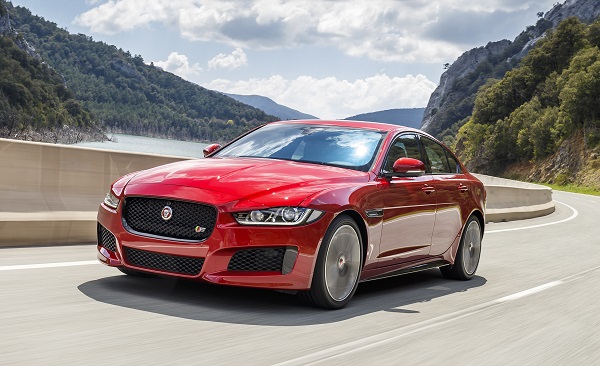
Although Jaguar has ceased production of its models in the West, it continues to assemble three models in China through the Chery-Jaguar Land Rover joint venture.
Not only does Jaguar still make cars in China, but as automotive journalist Tycho de Feijter pointed out in a recent post on Xu, the brand has managed to regain some of its sales thanks to heavy discounting across the country.
In several cases, prices have been slashed by more than 50 percent as Jaguar does everything it can to stay relevant in a market where homegrown brands have already pushed many legacy automakers to the margins.
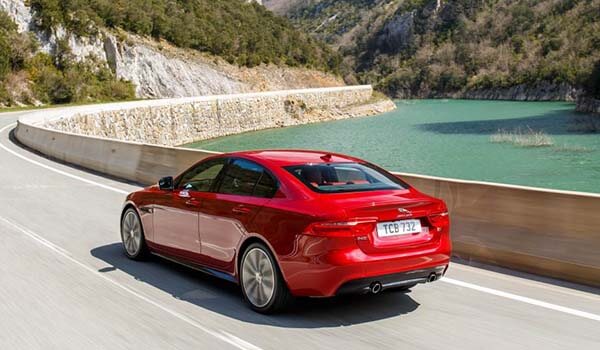
One model that is only sold in China is the XEL. This is the long-wheelbase version of the XE sedan, equipped with a 2.0-litre four-cylinder turbocharged engine producing 250 hp. Its wheelbase is 10 cm longer than the standard XE and is 2.93 meters.
It comes with a regular price of 334,600 yuan (approximately US$47,000), but the XEL is now being offered for just 159,800 yuan, or approximately US$ 22,600. That’s a whopping 52.2% discount.
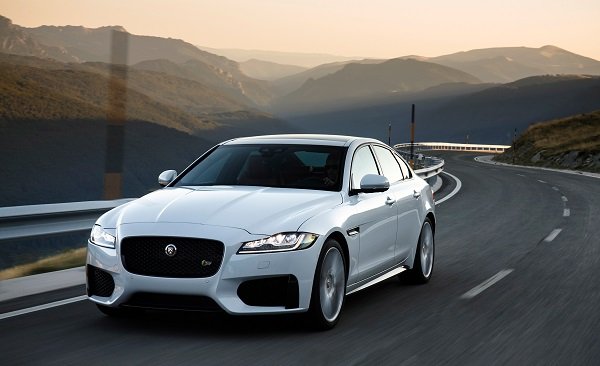
Jaguar also sells a second sedan in the region, the XFL. This extended-wheelbase version of the XF is available with the same 2.0-liter turbo four-cylinder engine in either 250 hp or 300 hp configurations. Previously priced at 439,900 yuan ($62,000), it now sells for 239,800 yuan, or roughly $44,000. That’s a decrease of 45.5%.
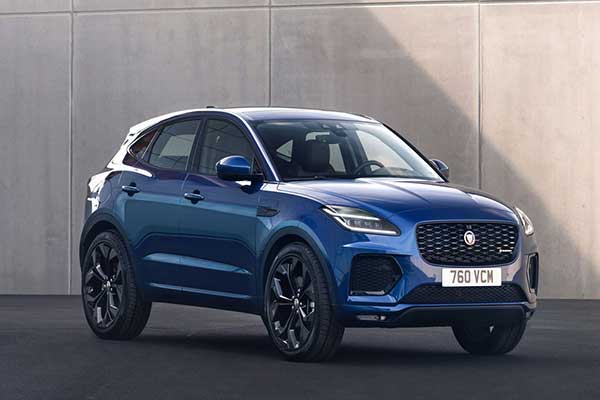
There’s also the E-Pace. Although production in Western markets ended in 2024, it lives on in China, being offered with a 1.5-liter turbo producing 200 hp or a 2.0-liter turbo with 250 hp. It used to start at 263,800 yuan ($37,000), but now costs just 148,000 yuan ($21,000).
Jaguar sold 18,326 vehicles in China last year, placing it 76th out of 108 brands and giving it a market share of just 0.08 percent. This year, sales fell to 11,600 by the end of October, dropping Jaguar to 81st out of 110 brands with a share of just 0.06 percent. But when the discounts started to take effect, things started to change. In May, a month before those discounts were introduced, Jaguar managed to sell just 759 units. Steady growth followed: 1,455 units in June, 1,566 in July, peaking at 1,925 in August. Sales subsequently fell slightly to 1,866 in September and 1,782 in October but remained well above pre-discount levels. However, the initial surge may be tapering off, suggesting Jaguar is nearing peak demand for these older combustion-engined models, even at heavily discounted prices.






-
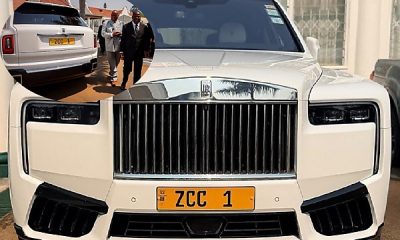
 Celebrities Auto6 days ago
Billionaire Gifts Popular Bishop 2026 Rolls-Royce Cullinan And Over ₦370 Million Cash For Fuel
-
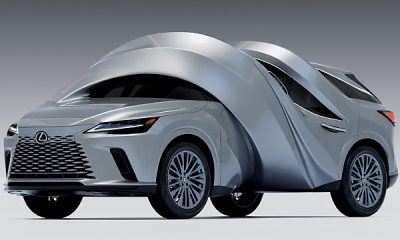
 News1 week ago
MOTOMORPHOSIS: MSCHF Transforms Lexus RZ 450e and RX 450h+ Into Bizarre Car Sculptures
-
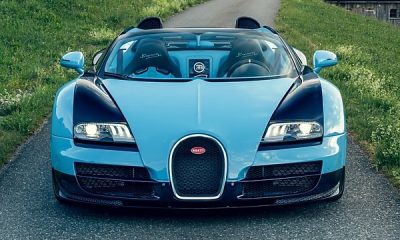
 News6 days ago
Rare Bugatti Veyron 16.4 Grand Sport Vitesse ‘Jean-Pierre Wimille’ Sells For Record $5.44M
-
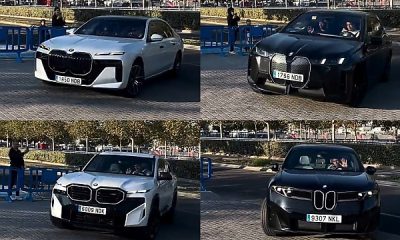
 Celebrities Auto1 week ago
Kylian Mbappé, Real Madrid Stars Spotted Arriving For Training In BMW Cars — See Their Models
-
 Latest Cars1 week ago
Bentley Unveils 2027 Torcal, Its First-Ever Electric Car With 888-hp, 600-Km Range
-
 News7 days ago
Top Luxury Car Brands 2026: Porsche Leads Brand Finance Ranking For 9th Consecutive Year
-
 Autoshows & Awards1 week ago
Mercedes-Benz GLC, China’s Xpeng X9 Lead Winners Of 2027 German Car Of The Year Awards
-
 News1 week ago
Toyota Is Preparing It’s First Ever Extended-Range EV For The Chinese Market


