
News
Due To Low Demand, Volkswagen Briefly Stops ID Buzz Production

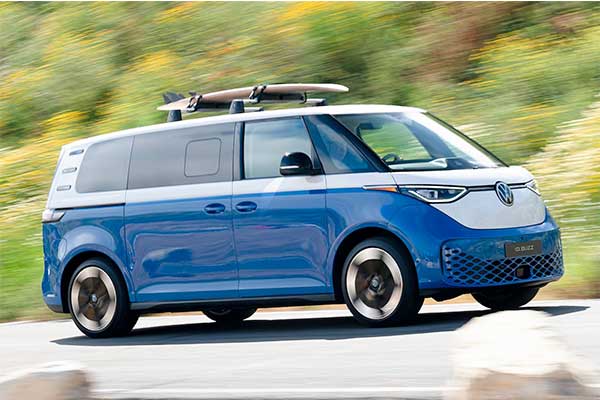
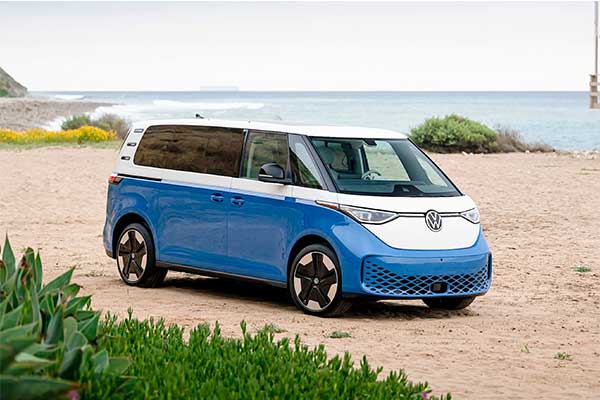
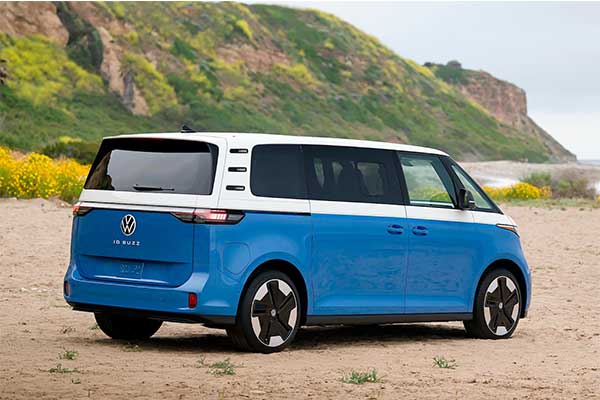
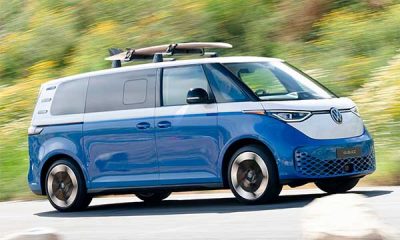
Volkswagen has temporarily halted production of its ID electric van. Buzz at the Hanover factory, after demand for this retro-inspired model has weakened significantly. The production lines will be stopped from October 20 to 24, 2025, and Wolfsburg says that the decision was made due to “flexible adaptation of production processes to changed market conditions.”
In other words, buyers simply did not show enough interest in the electric van, which is sold on the European market at a price between 60,000 and 70,000 euros. Although the design is based on the legendary VW Bulli and evokes nostalgia, the ID. Buzz clearly doesn’t offer enough arguments to justify the high price.
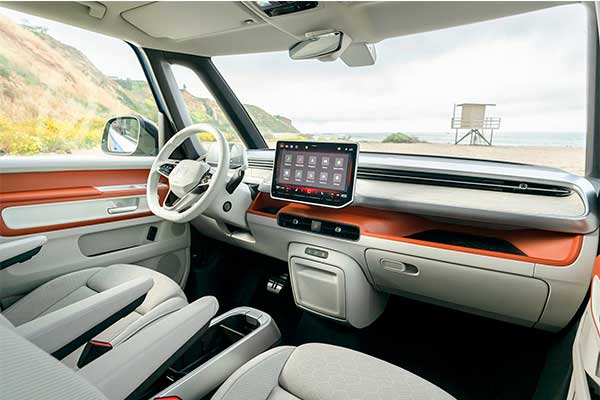
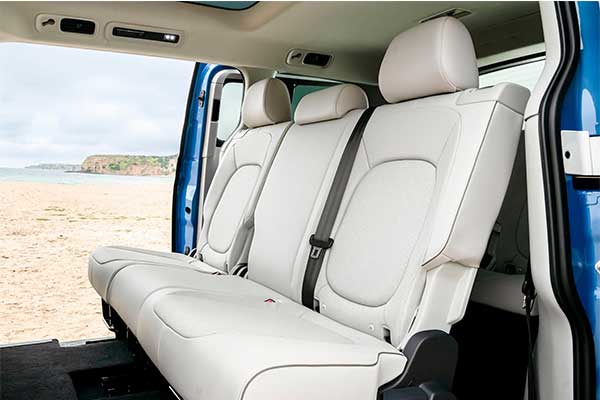
The biggest problem with the ID model. Buzz, according to experts, is the ratio of price, range, and interior quality. With a claimed range of around 370 kilometers (230 miles) and cabin materials more reminiscent of a commercial vehicle than a premium electric car, many buyers have decided to look for an alternative.
In the third quarter of 2025, Volkswagen sold only 2,469 copies of the ID. Buzz, which brought the total sales in 2025 to only 4,934 vehicles. For a model that was supposed to be one of the key assets of VW’s electric offensive, this is a very modest result.
Volkswagen, like most European manufacturers, is facing increased production costs, slowing demand for electric vehicles, and increased competition from Chinese manufacturers that offer more affordable models with a longer range. Because of this, VW has already reduced the number of working hours and production capacities in several German plants where the electric models of the brands Volkswagen, Audi, and Cupra are made. A similar scenario is now affecting the ID. Buzz, which was supposed to be a symbol of the new era of electric mobility in the segment of family and lifestyle vans.
Volkswagen says that in the coming months, it will increase its marketing activities and offer new sales incentives to stimulate the interest of customers. The company still believes that ID. Buzz has potential, especially in markets like the US.
Despite everything, analysts warn that ID. Buzz has become a symbol of a wider problem within the European auto industry—excessive expectations of electrification in conditions where customers are not yet ready to pay high prices for limited options.
Whether the ID. Buzz will get a second chance depends on Volkswagen’s ability to lower the price, increase the range, and offer better-equipped versions that will live up to the retro charm that makes it unique.







-
 Celebrities Auto1 week ago
Swedish Soccer Icon Zlatan Ibrahimovic Buys $4 Million Ferrari F80 For 45th Birthday (Photos)
-

 Celebrities Auto6 days ago
No Innoson This Year As BBNaija Season 11 Winner Temi Receives ₦60m Hyundai Tucson, ₦90m Cash Prize
-
 News6 days ago
Carloha Goes “The Extra Mile” To Redefine Vehicle Ownership Experience In Nigeria
-
 Car Comparison3 days ago
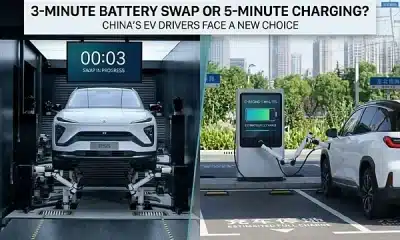
3-minute Battery Swap Or 5-minute Charging? China’s EV Drivers Face A New Choice
-

 News1 week ago
Porsche Will Fit A Petrol Engine In The Macan Again In 2028
-
 News1 week ago
‘Temu Range Rover’ Jaecoo 7 Tops UK Car Sales In September As Chinese Brands Continue Their Global Rise
-
 Latest Cars4 days ago
All-New 2027 Hyundai Tucson Unveiled With Bolder Design, Hybrid Power And New Tech
-
 News1 week ago
Mercedes-Benz Discontinues The EQE Sedan, S63 AMG E-Performance, And The Maybach EQS 680 SUV

