
News
Toyota Makes A Clear Stance: “Yes, Electric, But Nothing Without An Internal Combustion Engine”


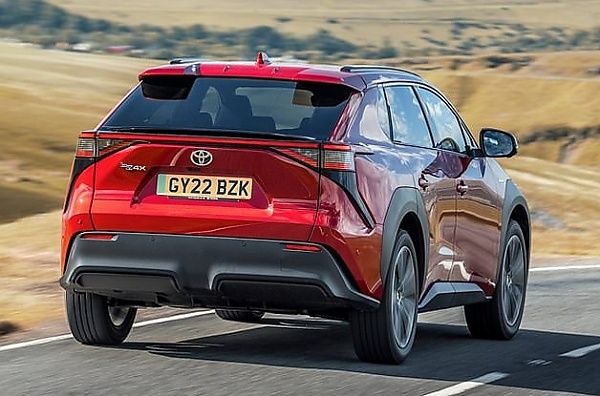
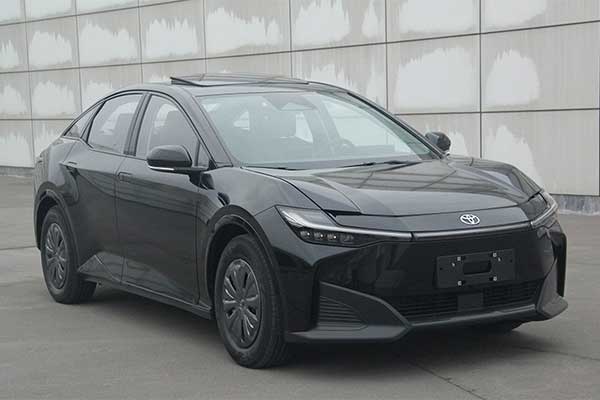
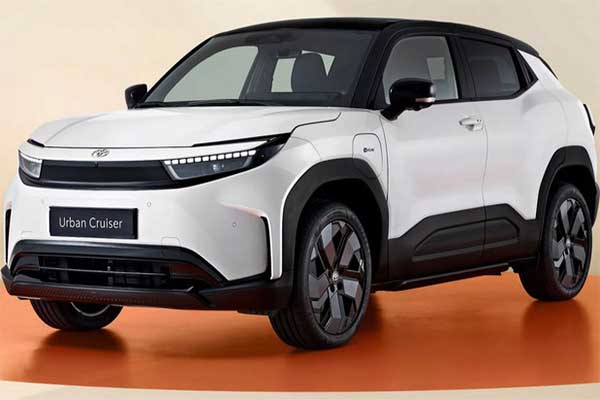
While part of the industry still believes in a full transition to electric cars, Toyota has been taking a different, much more cautious stance for years. The world’s largest carmaker is now making it clear that internal combustion engines will not disappear for a long time, at least not globally.
Namely, in a new text in Toyota Times, the company’s official internal magazine, the concern explains why, in their opinion, internal combustion engines are still necessary.
The reason is simple. Toyota claims that the world is not equally ready for electrification. In many regions, charging infrastructure is still underdeveloped, and differences are visible even within the same countries or cities. While some switch to electric vehicles without any problems, others still rely on hybrids or classic gasoline cars because they have no real alternative.
Toyota, therefore, continues to develop a new generation of efficient four-cylinder gasoline engines, which will be used throughout the company. It further confirms its strategy: an approach in which electric cars, hybrids, plug-in hybrids, and classic engines are developed in parallel, depending on market needs.
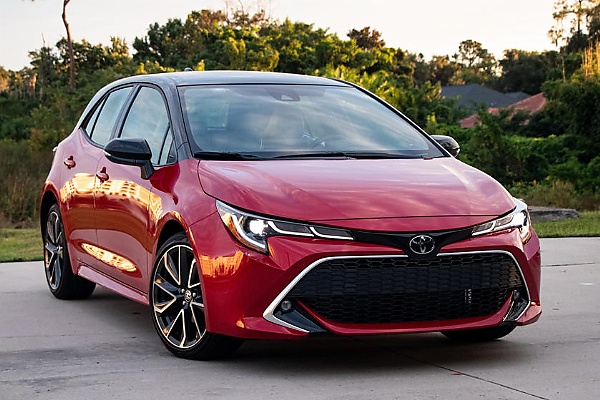
The Toyota Corolla, the best-selling model in history, is often mentioned as an example of such thinking. Its next generation will not be tied to one type of drive but will offer several options, from electric versions to hybrids and possibly classic gasoline engines, depending on the market.
Toyota points to several key obstacles to faster electrification. Apart from infrastructure, there are also prices. Electric cars are still more expensive to purchase, while many customers prefer the safety and ease of quick refueling. Charging time, even with fast chargers, is still a deterrent for some customers.
At the same time, global demand for electric vehicles is growing, but not evenly. In Europe, electric cars account for almost a fifth of the market, while in China, including plug-in hybrids and range extenders, they exceed 50 percent of sales. On the other hand, a decline in the share was recorded in the USA, which further confirms how uneven the transition is.
Toyota, therefore, plays on the safe card of flexibility. Along with the development of electric models, it collaborates with manufacturers such as Mazda and Subaru to extend the life of classic engines, including testing alternative fuels such as synthetics and biofuels.






-

 Business1 week ago
Dangote Cement Rewards Top Distributor With New 2026 Lexus LX700h Worth Over ₦400 Million
-
 Celebrities Auto3 days ago
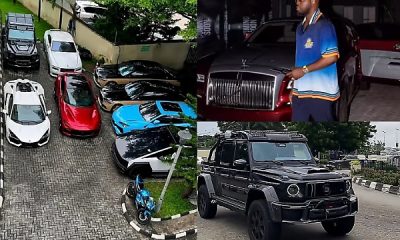
Inside KC Luxury’s Car Collection: From A ₦2.5B Brabus 800 Adventure XLP To Alicia Keys’ Former Maybach
-

 News6 days ago
Mansa Fulfills Challenge: TikTok Star Peller Gifted ₦300 Million Mercedes-Benz G-Wagon
-
 News6 days ago
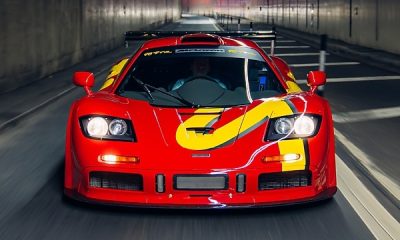
Ultra-Rare, Centre-Driving McLaren F1 GTR Fetches Record $34.6 Million At Auction
-

 Celebrities Auto18 hours ago
Throwback: When KC Luxury Boasted Of Being The Only Person In The World To Own Two Rare Mercedes-Maybachs
-
 News5 days ago
Porsche And Chinese Company Xpeng Collaborate To Lower Average Emissions In Europe
-
 Auto Sport1 week ago
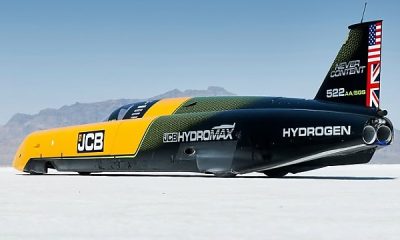
Tractor Maker’s JCB Hydromax Sets New 406-mph World Land Speed Record For A Hydrogen-powered Vehicle
-

 News5 days ago
“Wike Carry ‘Rivers’ Come Abuja”: Citizens React As Flash Floods Submerge Luxury Vehicles