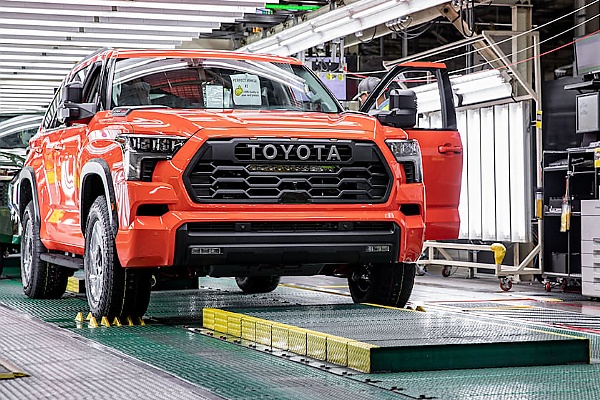

As automation advances, the shift toward robotics in manufacturing feels inevitable. Toyota projects that by 2028, factory automation will require 400,000 robots, supported by an annual investment of roughly $6.4 billion.
Hyundai will deploy Atlas robots in its Georgia plant by 2028, while Tesla continues developing the multi-purpose Optimus. Meanwhile, Toyota is testing ELEY, a wheeled, two-fingered robot that learns by observing human workers.
Humanoid robots are increasingly common in manufacturing. BMW uses AEON AI robots in Germany and South Carolina, while Mercedes-Benz deploys Aris quadruped robots for quality control and noise detection.
Given this context, it is not surprising that Toyota is investing heavily in advanced robotics to enhance factory productivity. Analysts suggest that a robust robotics division could allow the company to diversify beyond vehicle manufacturing, creating new revenue streams and attracting increased investor interest.
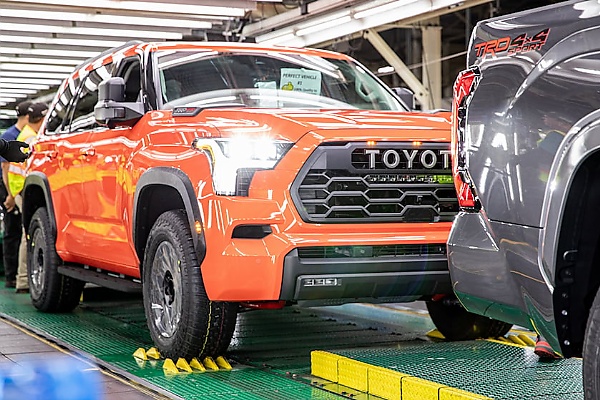
Although the report does not specify which facilities will receive these robots or the total number to be deployed, it is worth noting that the automaker operates approximately 60 plants worldwide, including 11 in the United States, such as the battery facility in North Carolina. Toyota currently remains the world’s leading automaker, followed by Volkswagen and Hyundai, though BYD has signaled its intent to challenge for the top spot by 2030.